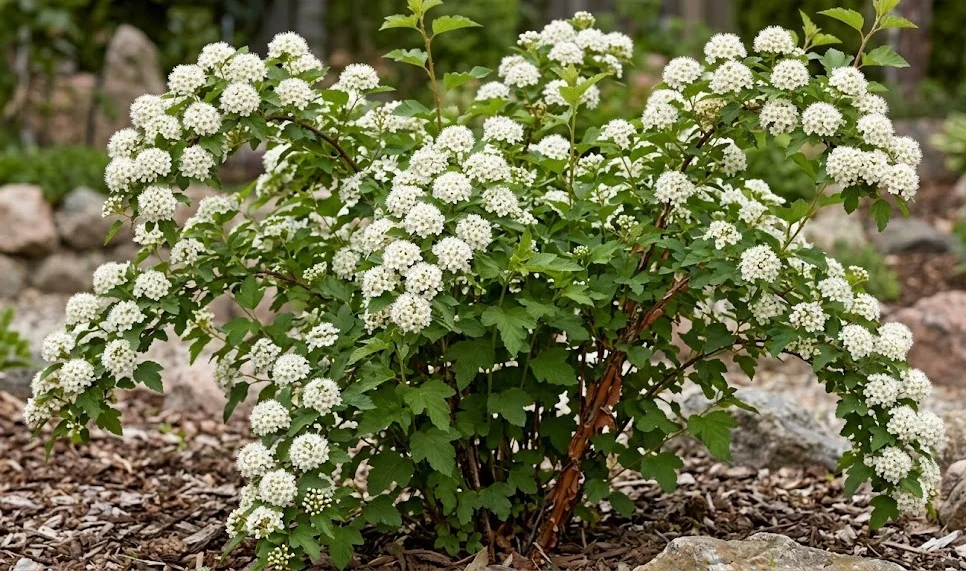

Pruning is a vital maintenance task that keeps common ninebark looking tidy while also promoting the health and longevity of the entire shrub. Because this plant grows vigorously and can reach substantial sizes, regular cutting back prevents it from becoming overgrown or unmanageable in smaller gardens. There are several different techniques you can use depending on whether you want to maintain its shape, improve airflow, or completely rejuvenate an old specimen. Learning when and how to prune will ensure that you get the most out of this beautiful and resilient plant.
The best time for general maintenance pruning is in the late spring or early summer, immediately after the shrub has finished blooming. Since the common ninebark produces flowers on the wood from the previous year, pruning too early in the spring will remove the potential for blossoms. By waiting until the flowers fade, you can enjoy the full aesthetic value of the plant before shaping it for the rest of the season. This timing also gives the new growth plenty of time to mature and harden off before the arrival of the winter cold.
Thinning out the center of the shrub is a specific technique that greatly improves air circulation and reduces the risk of fungal diseases like powdery mildew. You should identify the oldest and thickest stems and cut them back all the way to the ground using sharp, clean bypass pruners. This allows more light and air to reach the interior of the plant, which encourages new, healthy growth from the base. Aim to remove about one-third of the oldest wood every year to keep the plant in a state of constant renewal and vigor.
For plants that have become severely overgrown or have lost their attractive shape over many years, rejuvenation pruning is a highly effective solution. This involves cutting the entire shrub back to within a few inches of the ground in the early spring before the buds begin to break. While this might seem drastic, the common ninebark is incredibly resilient and will quickly push out fresh, colorful new stems from the root system. This method is the fastest way to restore a struggling or messy plant to a compact and beautiful form within a single growing season.
Refining your pruning skills
When you are shaping the shrub for aesthetic purposes, always step back frequently to view the plant from different angles as you work. This helps you maintain a balanced and natural look rather than over-pruning one side or creating an artificial, flat appearance. Try to follow the natural arching habit of the branches, which is one of the most attractive features of the common ninebark. Small, frequent adjustments are much better than taking off large chunks of foliage all at once, which can stress the plant and lead to uneven growth.
More articles on this topic
Proper tool maintenance is just as important as the pruning technique itself when it comes to keeping your garden plants healthy. Always ensure that your shears and saws are sharp, as dull blades can crush the stems and create ragged wounds that take much longer to heal. It is also a good practice to disinfect your tools with rubbing alcohol between plants to prevent the spread of any potential pathogens. Taking care of your equipment not only makes the job easier for you but also provides a much cleaner and safer environment for your shrubs.
After any significant pruning session, providing a little extra care will help the common ninebark recover more quickly from the stress of the cuts. A light application of compost and a thorough watering will give the plant the energy it needs to start producing new growth immediately. You should also keep an eye on the new stems to ensure they are growing in the desired direction and aren’t being crowded by weeds or other nearby plants. This follow-up care ensures that your pruning efforts lead to the best possible results for the health of the garden.
Finally, remember that pruning is a flexible process that should be adapted to the specific needs of each individual plant and its location in your landscape. Some years you might only need to do a light tidy-up, while other years might require more significant structural changes to keep the plant in check. Don’t be afraid to experiment with different levels of cutting back to see how your specific variety of ninebark responds. With a bit of practice and observation, you will become an expert at keeping your common ninebark looking its absolute best throughout the year.