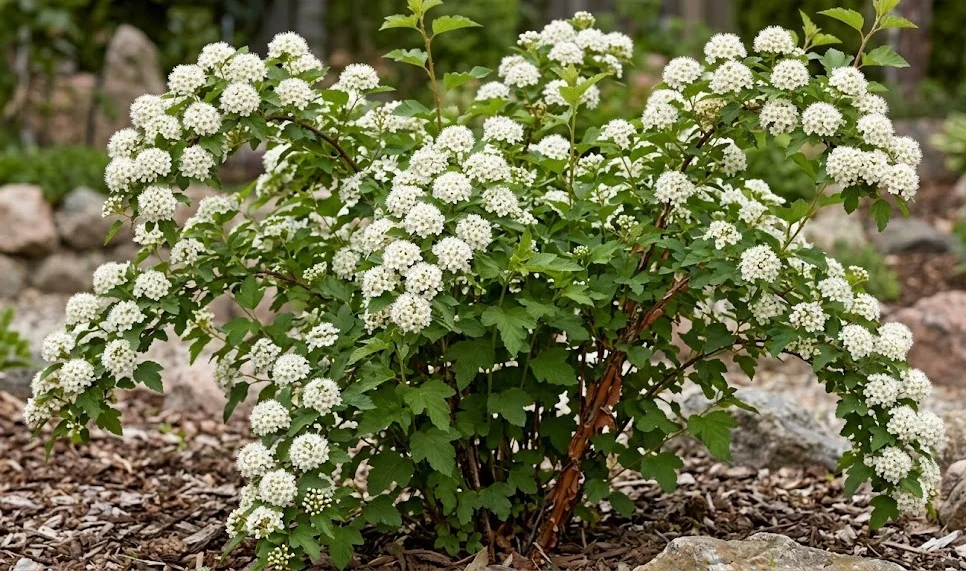

Preparing common ninebark for the winter months is a straightforward process that ensures the shrub returns with vigor in the following spring. Because this plant is native to cold climates, it possesses a natural ability to survive freezing temperatures and heavy snowfall without much assistance. However, taking a few proactive steps can prevent physical damage and root stress during the harshest parts of the winter season. Your primary goal is to help the plant transition into dormancy smoothly so it can conserve its energy for the next growing cycle.
As the temperatures begin to drop in late autumn, you should gradually reduce the amount of water you provide to the shrub. This encourages the plant to stop producing new, tender growth that would easily be damaged by the first hard frost of the year. Allowing the wood to harden off properly is an essential part of the natural winterization process for all deciduous woody plants. Once the leaves have fallen, the plant has officially entered its dormant state and will require very little attention until the ground thaws.
Protecting the root zone is particularly important for young plants or those that have been recently moved to a new location in the garden. A thick layer of mulch, such as wood chips or shredded bark, acts as an insulating blanket that prevents the ground from freezing and thawing rapidly. This stability is crucial for preventing frost heaving, which can push the roots out of the soil and expose them to the drying winter air. Ensure the mulch is spread out to the drip line of the shrub to provide comprehensive protection for the entire root system.
Managing snow and ice accumulation is another factor to consider, especially if your common ninebark has a multi-stemmed or spreading growth habit. Heavy, wet snow can weigh down the branches, causing them to bend or even snap under the pressure of the added weight. You can gently brush off significant snow buildup with a broom, moving in an upward motion to avoid putting even more stress on the wood. If a branch does break, it is best to wait until a mild day to make a clean pruning cut to prevent further tearing of the bark.
Winter care for containers
If you are growing common ninebark in containers, they will require a bit more protection than those planted directly into the ground. Since the roots in a pot are more exposed to the cold air, they are at a much higher risk of freezing solid during a prolonged cold snap. You can protect potted plants by moving them to a sheltered location, such as an unheated garage or a spot against a south-facing wall. Wrapping the pots in burlap or bubble wrap can also provide an extra layer of insulation against the biting winter winds.
More articles on this topic
Winter pruning is generally not recommended for this shrub, as it can stimulate growth during a time when the plant should be resting. The only exception is the removal of dead, damaged, or diseased wood that might pose a risk to the health of the plant during the winter. Most major pruning tasks should be saved for the late spring or early summer after the plant has finished its spectacular flowering display. Observing the plant during its dormant phase gives you a clear view of its structural framework, which can help you plan your future pruning strategy.
Monitoring the moisture levels in the soil during a particularly dry winter is a task that many gardeners often overlook. If the ground is not frozen and there has been no significant rain or snow for several weeks, a light watering can prevent the roots from desiccating. This is especially true for evergreen neighbors, but deciduous shrubs like the ninebark also benefit from having some moisture available in the soil. Be careful not to overwater, as the plant’s metabolic rate is very low and it cannot process large amounts of water while dormant.
As spring approaches, keep an eye out for the first signs of life, such as swelling buds or the appearance of tiny green leaf tips. This is the signal that the overwintering period is coming to an end and your regular care routine should soon resume. You can begin to pull back some of the heavy mulch to allow the sun to warm the soil around the base of the plant. With the right preparation, your common ninebark will emerge from the winter ready to provide another season of beauty and interest in your garden.