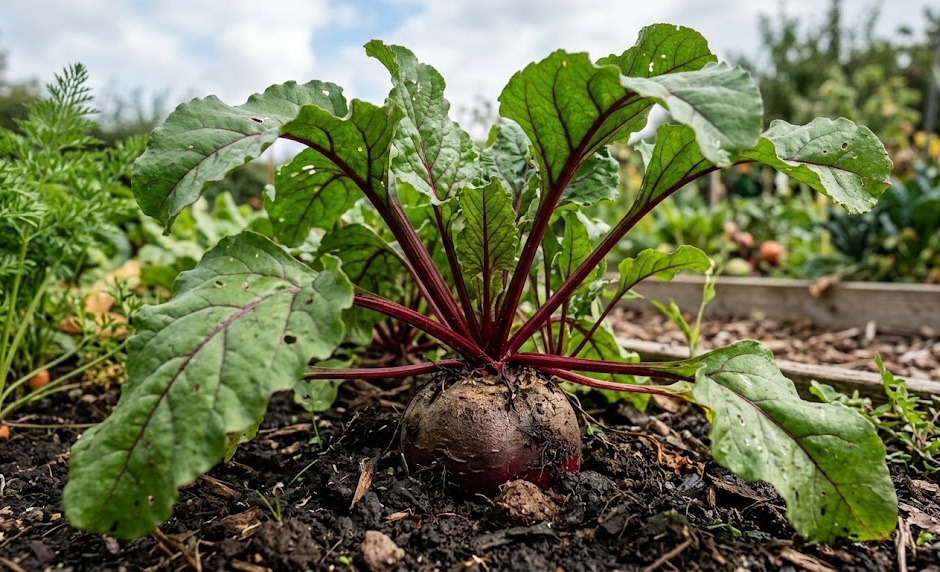

Managing a beetroot crop as the winter months approach requires a strategic shift from growth-focused care to preservation and protection. You must decide whether to harvest the entire crop for indoor storage or to attempt to leave some roots in the ground for a fresh supply. Beetroot is remarkably resilient to cold, but the quality of the roots can be compromised by repeated freezing and thawing cycles. Success in overwintering depends on your ability to insulate the roots and manage the moisture levels within the soil.
Harvesting for winter storage usually takes place before the first hard freeze penetrates the ground and potentially damages the root tissue. You should look for a dry day to lift the roots, as this makes the process cleaner and reduces the risk of fungal issues during storage. The goal is to keep the roots in a state of “suspended animation” where they remain firm and flavorful without attempting to regrow. Providing the right environmental conditions—cool, dark, and humid—is the key to keeping your beets fresh until the following spring.
If you choose to leave the beetroot in the ground, you must provide a significant amount of insulation to protect the “shoulders” of the roots. You can use a thick layer of straw, dry leaves, or even specialized horticultural fleece to create a thermal blanket over the rows. This layer prevents the frost from reaching deep into the earth and keeps the roots accessible even when the surface is frozen. This “in-situ” storage is a traditional method that can work very well in regions with moderate winter temperatures.
The physiological changes that occur within the beetroot during the cold months can actually enhance the flavor by increasing the sugar concentration. You will notice that beets harvested after a light frost are often much sweeter than those picked during the height of the summer. However, you must be careful not to let the roots freeze completely, as this will cause the cell walls to collapse and the texture to become mushy. Balancing the benefits of the cold with the risks of extreme temperatures is the mark of an experienced gardener.
Preparation for indoor storage
Selecting the best candidates for indoor storage is the first step toward ensuring a successful overwintering process for your harvest. You should only choose roots that are free from any signs of disease, mechanical damage, or pest infestation. Any small wound or bruise can become an entry point for rot, which can then spread to the surrounding healthy roots. Smaller to medium-sized beets tend to store better and remain tender longer than the very large, oversized specimens.
More articles on this topic
Cleaning the roots should be done gently by hand to remove loose soil without damaging the delicate skin of the beetroot. You should never wash the roots you intend to store, as the added moisture can promote the growth of mold and mildew. Simply allow the soil to dry slightly and then brush it off with a soft cloth or your gloved hand. Removing the foliage is also essential, but you should twist the leaves off by hand rather than cutting them to prevent bleeding.
The traditional method of storing beetroot involves placing the roots in boxes filled with slightly damp sand or peat moss. You should arrange the roots so they are not touching each other, which helps prevent the spread of any localized decay. The packing material acts as an insulator and helps maintain the high humidity that prevents the roots from shriveling and becoming rubbery. This system mimics the natural underground environment and can keep your beetroot fresh for several months in a cool cellar.
Temperature control is perhaps the most critical factor when storing root vegetables indoors throughout the winter. You should aim for a temperature just above freezing, ideally between zero and four degrees Celsius, to minimize metabolic activity. A dark, well-ventilated basement, root cellar, or even an insulated garage can provide the necessary conditions for long-term success. Monitoring the temperature regularly will help you make adjustments, such as opening a vent on cool nights or adding more insulation during a deep freeze.
Field storage techniques
Storing beetroot directly in the garden bed is a convenient option if you have limited indoor space and your soil has good drainage. You should begin by piling a layer of soil or compost over the crowns of the plants to protect them from direct contact with the cold air. On top of this, add at least fifteen to twenty centimeters of loose organic mulch like straw or bracken. This multi-layered approach provides a powerful barrier against the elements and keeps the soil temperature relatively stable.
More articles on this topic
The drainage of your garden site is the deciding factor in whether field storage will be a success or a soggy failure. If your soil is heavy clay and tends to hold water during the winter, the roots are very likely to rot before you can harvest them. You should only attempt in-ground storage in well-drained sandy or loamy soils where the water can move away from the root zone. In wetter climates, using raised beds can provide the extra elevation needed to keep the roots dry and healthy.
One challenge of field storage is the potential for rodents like voles or mice to discover your hidden stash of sweet beetroot. You might notice small tunnels or chewed areas on the roots when you pull back the mulch to harvest a few for dinner. Using a fine wire mesh under the mulch or choosing a storage area away from known rodent habitats can help mitigate this risk. Some gardeners find that a combination of physical barriers and natural deterrents is necessary to protect their winter supply.
Harvesting from the frozen ground requires a bit of planning and perhaps some extra physical effort during the coldest months. You should choose a day when the temperature is slightly above freezing to make it easier to move the mulch and lift the roots. After removing the beets you need, be sure to replace the insulation carefully to protect the remaining crop from the returning cold. This “fresh from the garden” experience in the middle of winter is one of the great joys of successful overwintering.
Processing for long-term preservation
If you have a large surplus of beetroot, you might consider processing some of it into forms that will last even longer than fresh roots. Pickling is the most popular method, as the acidity of the vinegar combined with the natural sugars of the beet creates a delicious and stable product. You can add various spices like cloves, peppercorns, or dill to create a unique flavor profile that suits your personal taste. Properly canned pickled beets can be stored in a cool pantry for a year or even longer.
Freezing is another option for preserving beetroot, though it requires a bit of preparation to maintain the quality of the vegetable. You should cook the beets until they are tender, then peel and slice them before placing them in airtight freezer bags. This pre-cooking prevents the texture from becoming grainy and ensures that the beets are ready to use in recipes later. Frozen beetroot is excellent for adding to soups, stews, or even smoothies throughout the winter months.
Dehydrating beetroot is a space-saving method that results in a concentrated flavor and a unique, chewy texture. You can slice the raw or cooked beets thinly and dry them in a dedicated dehydrator or a low-temperature oven. Once completely dry, the beet chips can be stored in glass jars and used as a healthy snack or ground into a powder. Beetroot powder is a fantastic natural food coloring and can be added to various baked goods or sauces for a nutritional boost.
Regardless of which preservation method you choose, the quality of the final product depends on the freshness of the roots at the time of processing. You should aim to process your beets as soon as possible after harvest to capture the maximum flavor and nutrient content. Following established food safety guidelines for canning and storage is essential to prevent any risk of spoilage or foodborne illness. By diversifying your storage and preservation techniques, you ensure that none of your hard work in the garden goes to waste.
Monitoring and maintaining stored crops
Regularly checking on your stored beetroot is a vital task that shouldn’t be forgotten once the roots are tucked away for the winter. You should inspect your storage boxes or garden beds at least once every two weeks to look for any signs of trouble. If you find a root that is starting to soften or show spots of mold, remove it immediately before it can infect its neighbors. This simple act of vigilance can save your entire winter supply from a localized outbreak of decay.
Humidity management is a delicate balance when storing roots in sand or peat within an indoor environment. If the packing material feels bone-dry, you can lightly mist it with a spray bottle to replenish the moisture. However, you must be careful not to make it soaking wet, as this will quickly lead to the development of fungal rots. The goal is to keep the air around the roots moist enough to prevent dehydration without encouraging the growth of pathogens.
Air circulation is also important, even in a cool cellar or garage, to prevent the buildup of stagnant air and excessive humidity. You should ensure that there is a small amount of ventilation to allow fresh air to reach the storage containers. If the area smells musty or damp, it is a sign that you need to increase the airflow or reduce the moisture levels. A professional-grade hygrometer can be a useful tool for monitoring the relative humidity and keeping it within the ideal range of 90 to 95 percent.
As spring approaches and the temperatures begin to rise, you will notice that the stored beetroot may start to sprout small green leaves. This is a signal that the dormancy is breaking and the roots will soon begin to lose their firm texture and flavor. At this point, you should plan to use up the remaining fresh roots quickly or process them into a more stable form. Understanding the natural cycles of the plant helps you manage your food supply efficiently and reduces waste throughout the year.
Leaving beetroot in the ground is a strategy we’ve used for years to maintain a fresh supply for the local markets. The key is to apply a very thick layer of straw mulch before the first hard freeze hits the ground. I’ve found that about 15 to 20 centimeters of straw is usually enough to keep the soil from freezing solid around the roots. This method keeps the beets much crisper and sweeter than if they were stored in a dry cellar. However, you have to be vigilant about the moisture levels under the mulch to prevent rot. If the winter is particularly wet, the lack of airflow can cause the crowns to succumb to fungal issues. I also suggest marking the rows clearly so you can find them under the snow. What has been your experience with the shelf life of field-overwintered beets compared to those in a traditional clamp? This is a great topic for those of us looking to extend our harvest window.
Michael, have you had issues with rodents under that thick straw mulch? I tried your method last year and unfortunately, the voles had a feast because the straw provided them with a perfect warm tunnel system. This year, I’m considering adding a layer of hardware cloth or even just more frequent trapping. Do you have a specific way to deter pests while still keeping the roots insulated? It’s a shame to lose such high-quality produce to a few hungry mice.
I’ve noticed that the sugar concentration in my beetroot increases significantly after the first few light frosts. The plant seems to produce these sugars as a natural antifreeze to protect its cells from damage. It’s amazing how the flavor profile shifts from earthy to intensely sweet during this transition. Does this effect diminish if the roots are harvested and then kept in cold storage?
For larger quantities, I still believe that a properly constructed outdoor clamp is superior to leaving everything in the soil. It allows for much easier access during the peak of winter when the ground might be too messy to work with. I build mine with a layer of sand at the bottom to help with drainage and to keep the roots clean. Have you found that certain varieties of beetroot store better in clamps than others? I’ve had good luck with the ‘Detroit Dark Red’ variety for long-term preservation.
Managing humidity is the most difficult part of maintaining a storage clamp through a wet winter. If the straw becomes too damp and the ventilation is poor, the beetroot can rot surprisingly quickly. I usually include a vertical “chimney” made of bundled sticks or a perforated pipe in the center of the clamp. This allows the excess heat generated by the respiring roots to escape while preventing condensation. Last year, I lost about 20% of my harvest because the drainage around the base of the clamp was insufficient. Now, I make sure to build the structure on a slightly elevated patch of ground or a bed of gravel. Do you recommend a specific thickness for the soil layer that goes over the straw? I typically use about six inches, but in very harsh frosts, I wonder if that is enough insulation. It is a delicate balance to keep the temperature just above freezing without causing the roots to sprout. Your insights on the transition from growth to preservation are very timely for those of us in the northern latitudes.
When preparing for overwintering, should I cut the leaves back entirely or leave a bit of the stem? I’ve heard that cutting too close to the crown can lead to “bleeding” and eventual rot in storage. On the other hand, leaving too much foliage might encourage mold. I usually twist the leaves off by hand about an inch above the root to avoid using a knife. Does this method actually help with the longevity of the beetroot in your experience?
Variety selection is arguably the most important factor for a successful overwintering program. Some heirloom varieties are naturally more resilient to cold-induced cellular breakdown than modern hybrids. I’ve been experimenting with ‘Cylindra’ because its long shape makes it easier to pack tightly in storage bins with damp sand. It also seems to retain its moisture content better than the more globular types. Have you noticed any difference in the texture of overwintered roots between different soil types? In my sandy loam, the roots stay very firm, but in heavier clay, they sometimes develop a woody core.