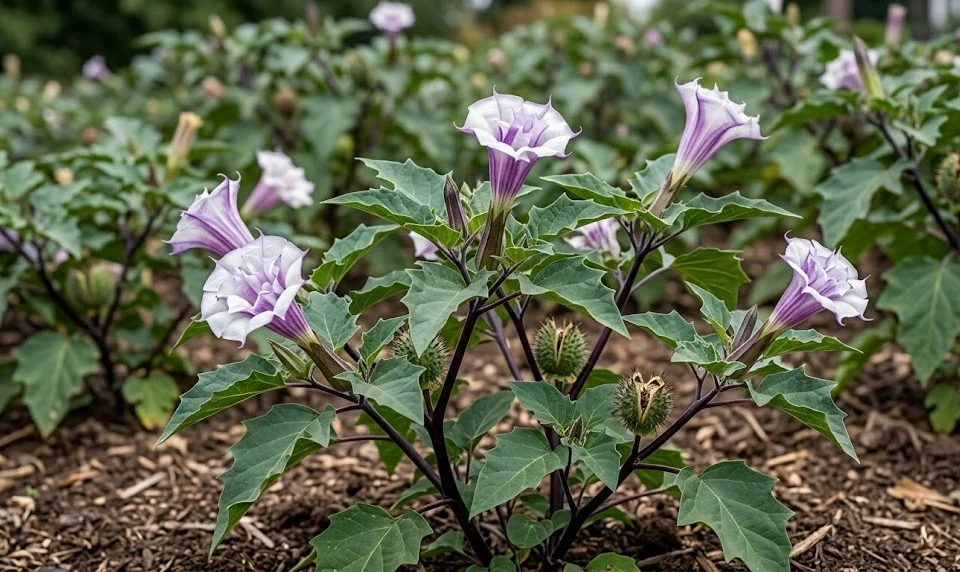

Overwintering is an essential process for those who wish to keep their devil’s trumpet alive for multiple years in temperate climates. As a tropical native, this plant cannot survive freezing temperatures, so it requires a protected environment to endure the colder months. Successful overwintering is a combination of careful timing, environmental control, and a reduction in active maintenance. By following these professional steps, you can ensure your specimen returns even stronger and more beautiful when the warmth of spring arrives.
Initial preparation for dormancy
The process of preparing your devil’s trumpet for winter should begin well before the first expected frost in your area. You should start by gradually reducing the amount of water and fertilizer you provide as the days get shorter in the late summer. This encourages the plant to slow down its growth and begin the transition into a semi-dormant or dormant state. It is important to monitor the weather closely, as a single night of hard frost can be fatal to the plant’s succulent tissues.
Before moving the plant indoors, you should perform a thorough inspection for any pests or signs of disease. It is much easier to treat a small colony of aphids or mites while the plant is still outside rather than dealing with an infestation in your home. You might want to prune the plant back significantly to make it more manageable and to reduce the surface area that needs to be maintained. Removing about one-third to one-half of the growth is a common practice that does not harm the plant’s long-term health.
If the plant is in the ground, you will need to carefully dig it up, making sure to keep as much of the root ball intact as possible. Place the plant in a sturdy container with fresh, slightly moist potting soil that provides good drainage. For plants already in containers, you should clean the outside of the pot and remove any weeds or debris from the surface of the soil. This initial cleaning step helps prevent the introduction of garden pests into your indoor or storage space.
Finally, ensure that any wounds from pruning have had a chance to air dry or “callus” before the plant is moved to a more humid or less ventilated area. This reduces the risk of fungal or bacterial rot developing on the cut ends during the winter months. Labeling each plant with its variety and the date of its last feeding can be very helpful for your spring records. Proper preparation is the key to a stress-free transition for both the gardener and the plant.
More articles on this topic
Creating the ideal storage conditions
The best environment for overwintering a devil’s trumpet depends on whether you want it to remain somewhat active or go completely dormant. A cool, frost-free basement or a semi-heated garage where temperatures stay between 5 and 10 degrees Celsius is often ideal. In these conditions, the plant will drop its leaves and enter a deep rest, requiring very little attention until the spring. The lack of light in such a space is not a problem for a plant that is fully dormant.
If you prefer to keep the plant green throughout the winter, you will need a bright, cool room such as a sunroom or a heated greenhouse. In this case, the temperature should be slightly higher, but still much cooler than a typical living room to prevent weak, spindly growth. The plant will still need some light to maintain its foliage, but its overall metabolic rate will remain much lower than during the summer. Avoid placing the plant near heaters or drafts, as sudden temperature fluctuations can be very stressful.
Humidity control is another factor to consider, especially in heated indoor spaces where the air can become extremely dry. While the plant is resting, it does not need high humidity, but excessively dry air can encourage spider mites to take up residence. You can lightly mist the stems occasionally or place a tray of water nearby to provide a small amount of ambient moisture. However, be careful not to keep the soil too wet, as this is the primary cause of plant death during the winter.
Ventilation is important even in a cool storage area to prevent the buildup of stagnant air and the growth of mold. Occasionally opening a window or using a small fan to move the air can make a big difference in the health of the plant. If you notice any fuzzy growth on the stems or soil surface, it is a sign that the air is too still and the environment is too damp. Finding the right balance of temperature, light, and air movement is the hallmark of a professional overwintering strategy.
More articles on this topic
Maintenance during the dormant period
The most important rule for winter maintenance is to water as little as possible while still keeping the roots alive. You should only provide a small amount of water when the soil feels completely dry several inches deep. It is common for the plant to look somewhat “dead” if it has dropped all its leaves, but as long as the stems remain firm and green when scratched, the plant is still alive. Over-watering during this time will quickly lead to root rot and the loss of the entire plant.
You should not provide any fertilizer during the overwintering period, as the plant cannot use the nutrients while it is not actively growing. Adding fertilizer now would only lead to a buildup of salts in the soil or encourage weak, unhealthy growth that is susceptible to pests. Let the plant rest completely and save its energy for the explosion of growth that will occur in the spring. This period of dormancy is actually beneficial for the plant’s long-term vigor and flowering potential.
Regularly check the dormant stems for any signs of shriveling or soft spots, which could indicate either extreme dehydration or rot. If a stem feels soft or mushy, you should prune it back to healthy tissue immediately to prevent the rot from spreading to the crown. Conversely, if the stems are becoming very wrinkled, a small drink of water may be necessary to rehydrate the tissues. Observing these subtle physical cues is an essential part of dormant plant care.
Keep an eye out for “hitchhiking” pests that may have survived the initial move and are now taking advantage of the indoor warmth. Spider mites and scale insects are the most likely candidates to appear during the winter months. If you find any, treat them with a gentle insecticidal soap or a cotton swab dipped in alcohol to keep the population under control. By being proactive, you can ensure that the plant remains healthy and ready for its spring awakening.
Transitioning back to spring
As the days begin to lengthen and the outdoor temperatures start to rise, you will notice the first signs of life returning to your devil’s trumpet. Small green buds will appear along the stems, signaling that the plant is ready to end its period of rest. This is the time to slowly increase the amount of water you provide and move the plant to a brighter location. Do not rush to move the plant outdoors yet, as late spring frosts can still be a major threat.
Once the new growth is established, you can perform a second pruning to shape the plant and remove any winter dieback. This is also an excellent time to repot the plant if it has outgrown its container or if the soil has become compacted over the winter. Use fresh, nutrient-rich potting mix and a slightly larger pot if necessary to give the roots room to expand. A slow-release fertilizer can be added at this stage to support the coming surge of growth.
Hardening off the plant is the final and most critical step of the overwintering process. This involves gradually reintroducing the plant to direct sunlight and outdoor wind over a period of one to two weeks. Start with an hour of morning sun in a protected spot and slowly increase the exposure each day. This process prevents the tender new leaves from being scorched by the sun or damaged by the wind.
Only when the nighttime temperatures are consistently above 10 to 12 degrees Celsius should the plant be placed in its permanent summer location. After the long winter rest, you will be amazed at how quickly the devil’s trumpet regains its size and begins to produce its signature flowers. Your patience and professional care during the cold months will be rewarded with a spectacular display that lasts all summer long. This cycle of rest and renewal is what makes growing this exotic species so satisfying for the dedicated gardener.