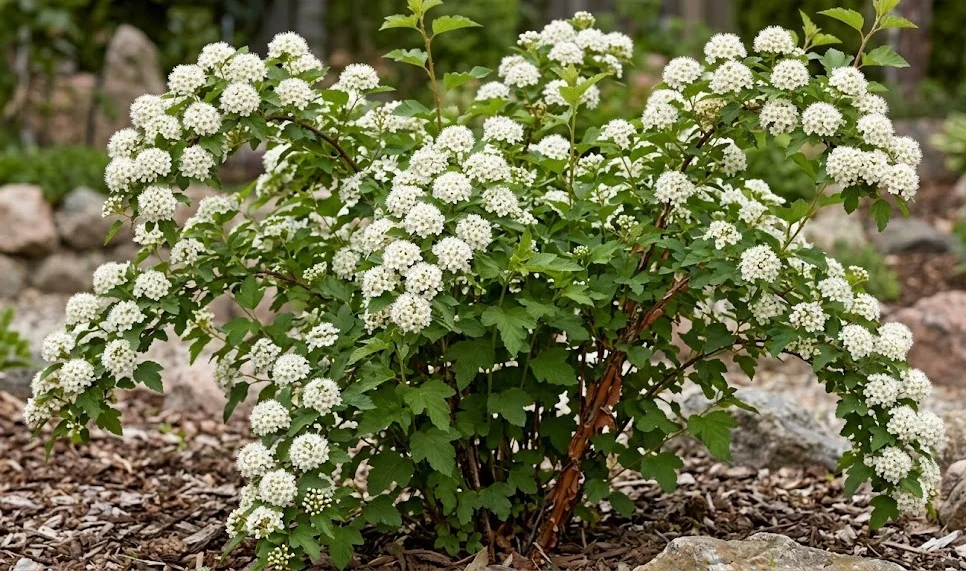

The amount of light common ninebark receives each day is the single most influential factor in determining its foliage color and overall health. This shrub is famous for its versatility, as it can adapt to a wide range of lighting conditions from the brightest sun to dappled shade. However, to achieve the most intense and vibrant leaf pigmentation, finding the right balance of light is absolutely essential for the gardener. Understanding how light affects the plant’s biology will help you choose the perfect location for it within your landscape design.
In a full sun environment, defined as at least six hours of direct sunlight daily, the common ninebark truly shows its best colors. For varieties with dark purple or bronze leaves, the sun acts as a catalyst that deepens the intensity of the pigments, making them stand out. Golden-leaved varieties also benefit from plenty of light, which keeps their foliage looking bright and prevents them from fading to a dull green. Additionally, plants grown in full sun tend to have a denser growth habit and produce a more prolific display of flowers.
While full sun is ideal, the common ninebark is also remarkably tolerant of partial shade, making it a valuable plant for more difficult areas of the garden. In shaded spots, the growth may be somewhat more open and less compact, giving the shrub a more natural and airy appearance. You might notice that the foliage colors are not quite as dramatic as those grown in the sun, with purple varieties often taking on a more greenish hue. This adaptability allows you to use the shrub as an understory plant or in areas that receive filtered light through the canopy of larger trees.
Assessing light stress signals
Observing your plant for signs of light-related stress is a key part of successful maintenance throughout the growing season. If a ninebark is moved from a shaded nursery to a very sunny garden, its leaves might initially suffer from sunscald or scorching. This appears as bleached or brown patches on the foliage where the sun has damaged the delicate leaf tissues before the plant could adjust. Providing temporary shade or ensuring the plant is well-watered during this transition period will help it acclimate to its new, brighter surroundings.
In contrast, a common ninebark that is receiving too little light will often show its displeasure through leggy, weak growth and poor flowering. The branches may stretch toward the nearest light source, resulting in an asymmetrical and unattractive shape over time. If you notice your shrub becoming thin and losing its characteristic color, it may be necessary to prune back overhanging branches from nearby trees to increase light levels. In extreme cases, transplanting the shrub to a sunnier location might be the best option for its long-term health and beauty.
More articles on this topic
Seasonal changes also affect the quality and duration of light reaching your plants, which in turn influences their growth patterns. In the early spring and late autumn, the sun is lower in the sky, creating longer shadows that might temporarily put your ninebark in the shade. During the peak of summer, the intense midday sun can be a bit much for some of the lighter-colored varieties, leading to some fading. Being aware of these shifts allows you to plan your garden in a way that provides the most consistent and beneficial light throughout the year.
Ultimately, the best light for your common ninebark depends on the specific variety you have chosen and the look you want to achieve. If you prefer a wilder, more woodland aesthetic, partial shade is a perfect choice that mimics the plant’s native habitat. For a bold, architectural statement with maximum color impact, full sun is the way to go every time. By matching the plant’s light requirements to your garden’s unique conditions, you ensure a thriving and beautiful specimen that will delight you for years to come.