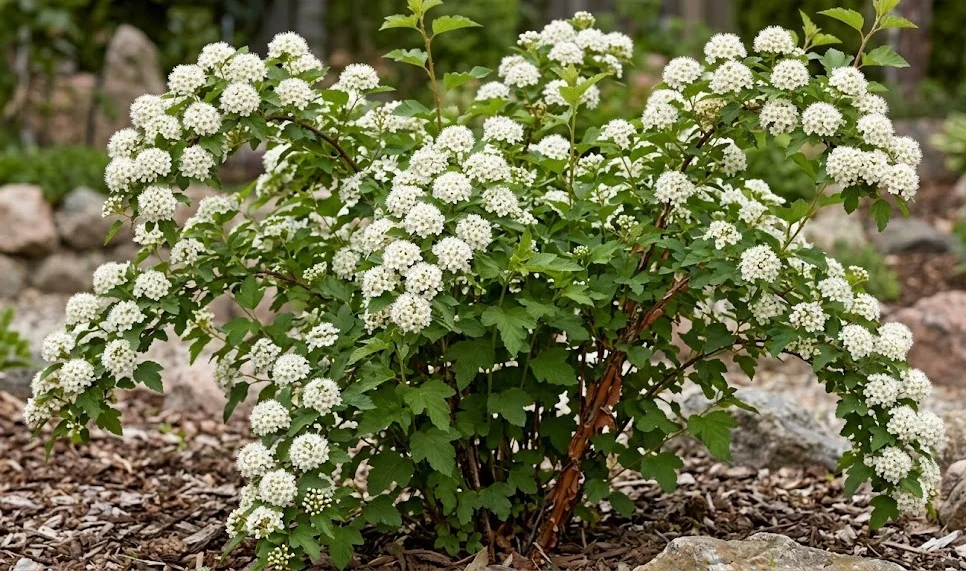

Establishing a balanced routine for watering and fertilizing common ninebark is essential for maintaining its vigorous growth and striking leaf color. While this species is celebrated for its toughness and ability to withstand dry periods, it performs best when its basic physiological needs are met. Young shrubs require a different approach than mature specimens, as their root systems are still actively seeking out resources in the soil. By understanding these requirements, you can prevent many of the common problems associated with nutrient deficiencies or water stress.
During the first growing season, your primary goal should be to keep the soil consistently moist but never waterlogged or soggy. You should aim to water the base of the plant deeply at least once or twice a week, depending on the weather conditions. This encourages the roots to penetrate deep into the ground, which will help the plant survive future droughts much more effectively. Avoid overhead watering when possible, as wet foliage can often lead to the development of unsightly fungal issues like powdery mildew.
Once the common ninebark is fully established, it becomes remarkably resilient and can often rely on natural rainfall for its moisture needs. However, during extended periods of heat and drought, providing a supplemental deep soak will prevent the plant from becoming overly stressed. You can tell if the plant needs water by checking the top few inches of soil; if it feels dry to the touch, it is time for a drink. Mature plants benefit from a consistent schedule that mirrors the natural patterns of their native environment.
Fertilizing common ninebark should be done with a light touch to avoid overstimulating growth at the expense of the plant’s structural strength. A balanced, slow-release fertilizer applied in the early spring just as new growth begins is usually sufficient for the entire year. You should spread the fertilizer evenly around the drip line of the shrub and then water it in thoroughly to help the nutrients reach the roots. Avoid high-nitrogen fertilizers late in the summer, as this can encourage soft growth that won’t survive the winter.
Optimizing nutrient uptake
The acidity of your soil plays a major role in how well the common ninebark can access the nutrients you provide through fertilization. In soils that are too alkaline, the plant may struggle to absorb iron, leading to a condition called chlorosis where the leaves turn yellow. If you notice this happening, you can apply a soil acidifier or use a fertilizer specifically formulated for acid-loving plants to correct the balance. Regularly testing your soil will give you the information needed to make these adjustments before visible problems arise.
More articles on this topic
Organic matter is a fantastic alternative to synthetic fertilizers and helps to improve the overall health of the soil ecosystem over time. Adding a layer of compost or well-rotted leaf mold every spring provides a steady supply of micronutrients that synthetic products might lack. This natural approach also improves the soil’s ability to hold onto moisture, which is a significant benefit during the dry summer months. Healthy soil leads to a healthy plant that is better equipped to defend itself against pests and diseases.
Identifying signs of nutrient stress is an important skill for any gardener who wants their common ninebark to thrive and remain beautiful. If the leaves appear stunted or the overall growth of the shrub seems unusually slow, it may be a sign that the plant lacks essential elements. Phosphorus is particularly important for root development and flowering, so ensure your fertilizer includes a sufficient amount of this nutrient. On the other hand, burnt leaf edges can sometimes indicate that you have applied too much fertilizer at once.
The timing of your watering and fertilization efforts can significantly impact the overall effectiveness of your plant care routine in the garden. Watering in the early morning is ideal because it allows any moisture on the foliage to dry quickly in the sun, reducing disease risk. Fertilizing during a period of active growth ensures that the plant can immediately use the nutrients to build new stems and leaves. By aligning your care with the natural cycles of the shrub, you create a more sustainable and healthy environment for growth.
Environmental factors like wind and intense sun can increase the rate at which your common ninebark loses moisture through its leaves. Plants located in particularly exposed or windy areas may require more frequent watering than those in sheltered spots within the garden. You can help mitigate this by using windbreaks or planting other shrubs nearby to provide some protection from the elements. Being mindful of these microclimates will help you tailor your watering and feeding schedule to the specific needs of each individual plant.