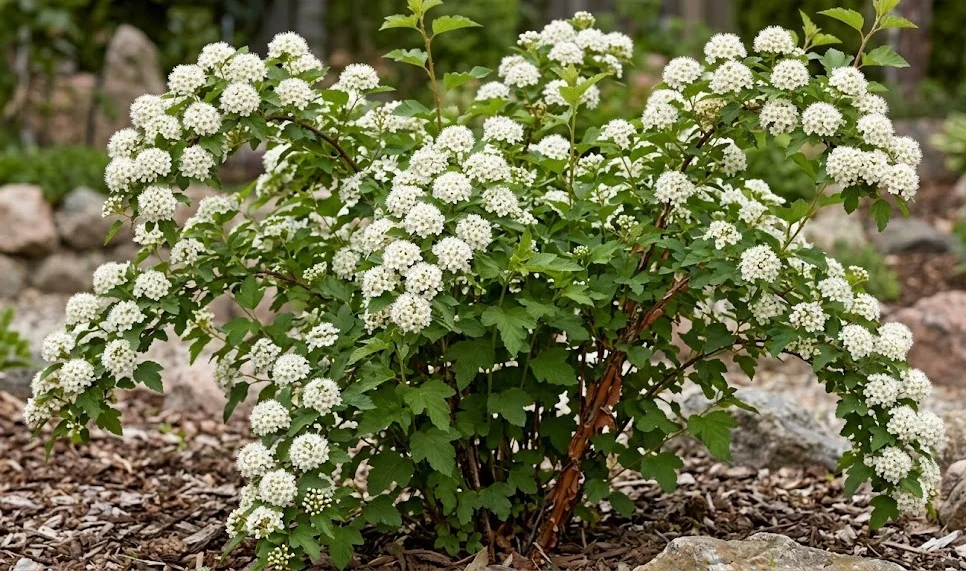

Protecting common ninebark from various diseases and pests is a necessary part of maintaining a pristine and healthy garden landscape. While this shrub is generally considered to be a low-maintenance and hardy choice, it is not entirely immune to environmental challenges. Most issues arise when the plant is stressed by improper watering, poor airflow, or extreme weather conditions that weaken its natural defenses. Early detection is the most effective tool you have for managing these problems before they cause significant damage to the plant.
Powdery mildew is perhaps the most common fungal issue that affects ninebarks, especially those varieties with darker foliage colors. It appears as a white, flour-like dusting on the surface of the leaves, often during periods of high humidity and warm temperatures. While it rarely kills the plant, it can cause the leaves to curl, yellow, and drop prematurely, which detracts from the shrub’s overall beauty. To prevent this, ensure your plants have plenty of space for air to circulate freely through the branches.
Leaf spot and rust are other fungal diseases that can occasionally bother your common ninebark, particularly in damp or rainy seasons. These typically manifest as small, dark circles or orange-colored pustules on the undersides of the leaves, which can spread if left untreated. Removing and destroying any infected foliage is a simple but effective way to stop the cycle of infection in your garden. Applying a preventative fungicide in the early spring can also help if you have had recurring issues with these specific diseases in the past.
Aphids and scale insects are the primary pests that might target the succulent new growth of your common ninebark in the springtime. These tiny insects feed on the sap of the plant, which can lead to distorted leaves and a sticky substance known as honeydew on the stems. If the infestation is small, you can often wash the pests away with a strong stream of water from your garden hose. For larger problems, using insecticidal soap or neem oil is a safe and effective way to manage the population without harming beneficial insects.
Holistic pest management
Cultural control methods are always the best first line of defense against any pest or disease that might threaten your garden plants. Keeping the area around your ninebark free of weeds and fallen debris reduces the hiding spots for insects and the sources of fungal spores. Ensuring that the plant receives the right amount of water and nutrients keeps it strong enough to outgrow minor damage. A healthy, vigorous plant is much less attractive to opportunistic pests that prefer to target weakened or struggling specimens.
More articles on this topic
Integrated pest management involves using a variety of strategies to keep pest populations at a level that does not cause significant harm. This includes encouraging natural predators like ladybugs and lacewings to live in your garden by planting a diverse range of flowering species. By fostering a balanced ecosystem, you reduce the need for harsh chemical interventions that can have negative side effects on the environment. Observing your plants regularly allows you to intervene only when it is truly necessary for the health of the shrub.
When chemical interventions are required, it is important to choose products that are as targeted and safe as possible for your specific situation. Always read the labels carefully to ensure the product is suitable for ninebarks and that you are applying it at the correct time of day. Many treatments are most effective when applied in the cool of the evening to avoid leaf burn and to protect active pollinators like bees. Consistency is key when using these products, as multiple applications may be needed to completely resolve the issue.
Monitoring the overall health of the shrub’s wood and bark is also important for detecting less common issues like borers or cankers. If you see unusual holes in the stems or areas of sunken, discolored bark, these could be signs of more serious internal problems. Pruning away affected branches well below the site of the damage can often save the rest of the plant from further decline. Use clean, sharp tools for all your pruning work to ensure that you are making clean cuts that heal quickly and cleanly.
Finally, remember that some minor leaf damage is a natural part of an outdoor ecosystem and does not always require immediate action. A few holes from chewing insects or a small amount of spotting late in the season is usually not a threat to the long-term survival of the plant. Focus on the big picture and only step in when the health or structural integrity of the common ninebark is genuinely at risk. By taking a measured and informed approach, you can keep your garden looking beautiful while respecting the natural world.