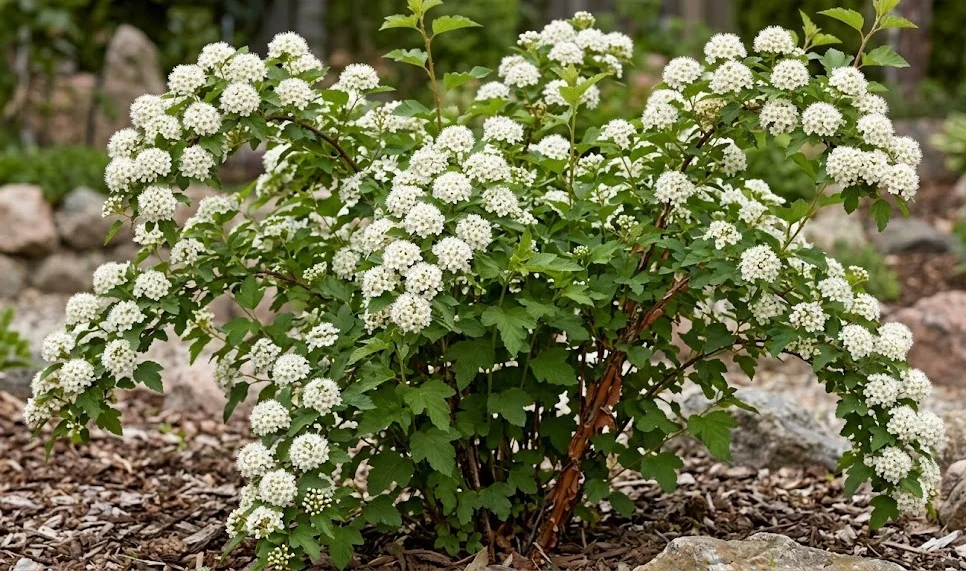

Finding the ideal location for planting common ninebark is the most important decision you will make for its future health. This shrub is known for its hardiness, but it truly excels when placed in a spot that meets its specific light and soil requirements. You should look for a site that offers full sun to partial shade, as this directly affects the vibrancy of the foliage. Proper site preparation ensures that the root system can establish itself quickly and efficiently after the initial planting process is complete.
When you are ready to put the plant in the ground, begin by digging a hole that is twice as wide as the root ball. This allows the roots to spread out into loosened soil, which encourages faster growth and better stability for the young shrub. It is helpful to mix some compost into the native soil to provide a boost of nutrients during the critical first few weeks. After placing the plant at the same depth it was in its container, backfill the hole and firm the soil gently with your hands.
Propagating common ninebark through softwood cuttings is a rewarding way to expand your collection without spending extra money at the nursery. The best time to take these cuttings is in the early summer when the new growth is still flexible but starting to mature. You should select healthy stems that are free from pests or signs of disease to ensure the best chance of success. Once the cuttings are prepared, placing them in a well-draining rooting medium and keeping them humid will encourage new roots to form.
Hardwood cuttings offer another effective method for propagation, typically performed during the dormant season in late autumn or winter. This method involves taking sections of mature wood and burying them partially in a protected outdoor bed or a cold frame. While this process takes longer than softwood cuttings, it is often more reliable for producing sturdy new plants by the following spring. Consistent moisture levels are key to ensuring that these dormant cuttings eventually sprout and begin their independent growth cycle.
Successful establishment strategies
The first year after planting is a critical period where the shrub requires consistent attention to its moisture levels. Even though established ninebarks are drought-tolerant, young plants need regular watering to develop a deep and resilient root system. You should check the soil moisture frequently, especially during dry spells or periods of intense heat in the summer. A slow, deep soak is much more effective than frequent shallow watering, as it encourages the roots to grow downward into the earth.
More articles on this topic
Monitoring for transplant shock is another vital part of the establishment phase for any newly planted common ninebark. Signs of shock might include drooping leaves or premature yellowing, which often indicates that the roots are struggling to keep up with the plant’s needs. If you see these symptoms, ensure the plant is not sitting in standing water but remains adequately hydrated throughout the week. Providing a temporary shade cloth during extreme heat can also help a struggling plant recover its vigor more quickly.
The role of soil amendments cannot be overstated when you are trying to give your new shrub the best possible start. If your garden soil is particularly heavy or lacks nutrients, adding organic matter will significantly improve the texture and drainage. Well-rotted manure or leaf mold are excellent choices that provide slow-release nutrients over a long period of time. This creates a rich underground environment that supports the microbial life necessary for a healthy and thriving plant community.
Finally, consider the spacing between plants if you are creating a hedge or a large decorative border with multiple specimens. Giving each shrub enough room to grow prevents competition for water and nutrients while allowing for essential airflow between the branches. Properly spaced plants are less likely to suffer from fungal infections and will maintain their beautiful shape as they mature. Taking the time to measure and plan your layout will result in a much more professional and attractive landscape design in the long run.