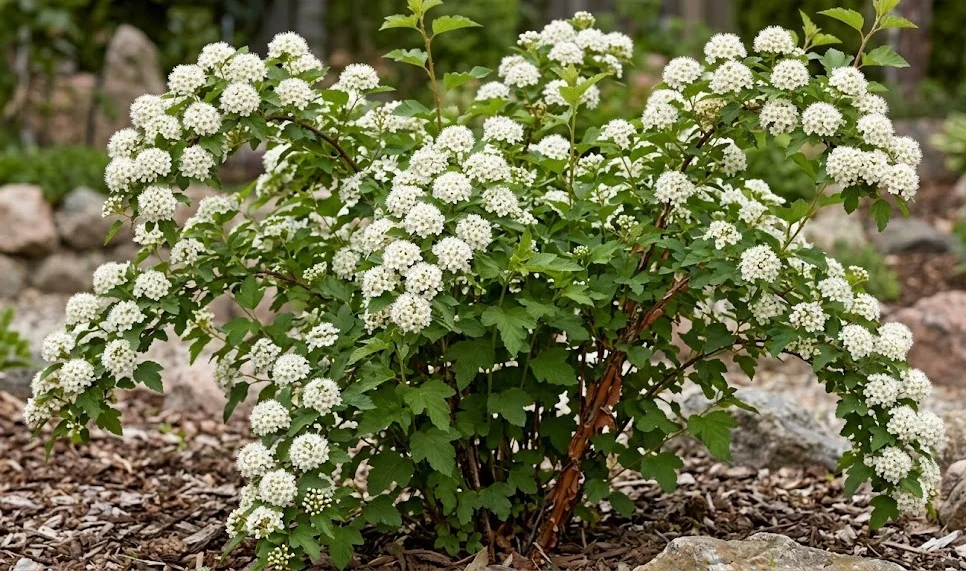

Managing common ninebark in a garden setting requires a blend of observation and timely intervention to ensure its vibrant foliage remains healthy. This shrub is prized for its exfoliating bark and colorful leaves, which can range from deep purple to bright gold depending on the variety chosen. To keep it looking its best, you should focus on providing consistent environmental conditions that mimic its native woodland edges. Proper care not only enhances the aesthetic appeal of the plant but also strengthens its resistance to common environmental stressors.
Understanding the soil environment is the first step toward successful long-term maintenance of this versatile deciduous shrub. These plants generally prefer well-drained soil that is rich in organic matter to support their vigorous growth habits. While they are remarkably adaptable to various soil types, including clay or loam, they thrive best when the ground is slightly acidic. If you notice your plant struggling, it might be worth testing the soil pH to ensure it falls within the ideal range for nutrient absorption.
Mulching plays a crucial role in maintaining the health of the root system throughout the changing seasons of the year. Applying a thick layer of organic mulch around the base of the shrub helps to retain essential moisture during hot summer months. It also acts as a temperature regulator, keeping the roots cooler in the heat and warmer during unexpected cold snaps. Make sure to keep the mulch a few inches away from the main stems to prevent any potential bark rot or fungal development.
As the seasons transition, your care routine should adapt to the specific biological needs of the ninebark at that time. In the spring, focus on cleaning up any debris that may have accumulated around the base of the plant to prevent disease. During the peak of summer, monitor the foliage for any signs of wilting or discoloration that might suggest heat stress or thirst. Autumn is the perfect time to evaluate the overall structure of the plant before it enters its dormant phase for the winter.
Designing the landscape with ninebark
Selecting appropriate companion plants is an essential part of caring for common ninebark within a larger garden design. Because of its bold foliage colors, it serves as an excellent backdrop for perennial flowers with contrasting bloom times and textures. Consider planting it near light-colored flowers or silver-foliaged plants to create a visually striking focal point in your outdoor space. This strategic placement ensures that the shrub receives the attention it deserves while contributing to the overall harmony of the garden.
More articles on this topic
Understanding the natural growth habits of the shrub will help you decide where it fits best in your landscape over time. These plants can grow quite large and wide, often reaching heights of eight to ten feet if left completely unmanaged. Knowing this allows you to provide enough space for air circulation, which is vital for preventing the development of powdery mildew. Always consider the ultimate size of the mature plant when planning your garden layout to avoid overcrowding later on.
Maintaining the longevity of the common ninebark involves regular assessment of its physical health and structural integrity. As the plant ages, the characteristic peeling bark becomes more prominent, adding significant winter interest to your backyard scenery. You should look for any dead or crossing branches that might compromise the health of the main framework of the shrub. Taking a proactive approach to these minor issues will prevent them from becoming larger problems that could threaten the life of the plant.
The final aspect of general care involves monitoring the environmental impact of your local climate on the shrub’s performance. High humidity can sometimes lead to foliage issues, so ensuring the plant is in a breezy location is often beneficial for its health. If you live in an area with particularly harsh summers, providing some afternoon shade can prevent the leaves from scorching. By being attentive to these small details, you can ensure that your common ninebark remains a standout feature in your garden for many years.