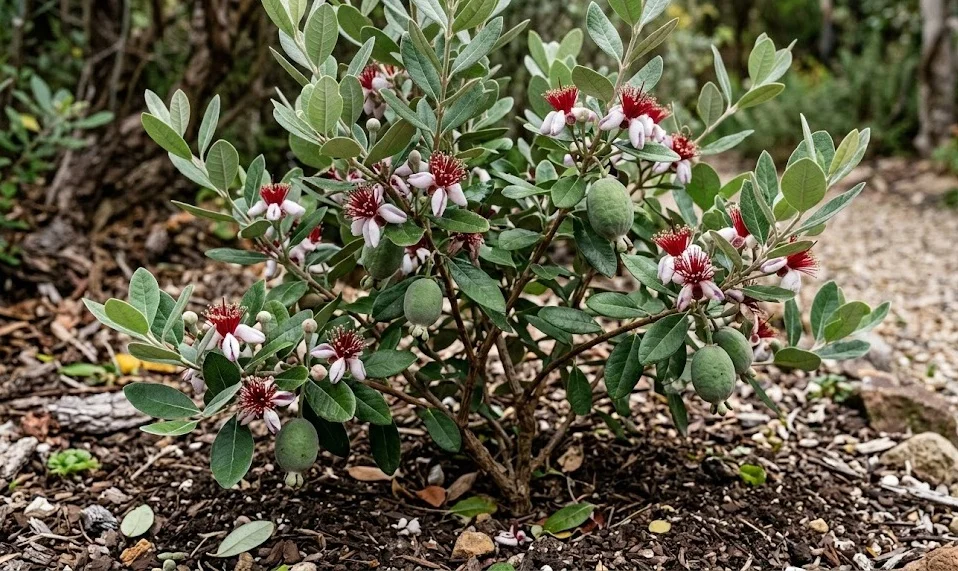

Maintaining the health of the pineapple guava involves a proactive approach to identifying and managing the various diseases and pests that can affect its vitality. While this species is remarkably resilient and often remains relatively trouble-free in many regions, it is not entirely immune to environmental and biological challenges. By understanding the common threats and the conditions that favor them, you can implement effective prevention and control strategies. A healthy shrub is your best defense, but knowing when and how to intervene can save a plant from significant damage.
Identifying common fungal issues
Leaf spot is one of the most frequently encountered fungal problems, appearing as small, dark lesions on the foliage during periods of high humidity. These spots can eventually merge, causing the leaves to turn yellow and drop prematurely if the infection is severe. You should ensure that your shrubs have plenty of air circulation by spacing them correctly and performing light thinning of the canopy. Avoid overhead watering whenever possible, as moisture on the leaves creates the perfect environment for fungal spores to germinate.
Root rot is a much more serious condition that typically occurs in heavy, poorly drained soils where the roots are deprived of oxygen. The first signs are often a general decline in the plant’s vigor, followed by wilting that does not improve after watering. You should inspect the base of the trunk for any signs of softening or discoloration, which can indicate that the rot has reached the crown. Prevention through proper site selection and soil improvement is the only effective way to manage this potentially fatal fungal disease.
Sooty mold is a secondary fungal issue that appears as a black, powdery coating on the leaves and stems of the plant. It is not a direct pathogen but grows on the honeydew secreted by sap-sucking insects like aphids or scale. While the mold itself is mostly an aesthetic problem, a thick layer can interfere with the plant’s ability to photosynthesize. To clear up sooty mold, you must first identify and treat the underlying insect infestation that is providing the food source for the fungus.
Anthracnose can occasionally affect the fruit, causing sunken, dark spots that make the harvest unappealing or inedible. This fungus thrives in warm, wet conditions and can spread quickly through the canopy if not addressed. You should remove and destroy any infected fruit or fallen leaves to reduce the amount of overwintering spores in the garden. Maintaining a clean area under the plant and ensuring good airflow are your primary tools for keeping this fruit-damaging disease under control.
More articles on this topic
Managing bacterial and environmental stress
Bacterial blight is a less common but frustrating issue that can cause the sudden death of young shoots and blossoms. You might notice dark, water-soaked areas on the stems that eventually turn black and brittle as the infection progresses. Pruning out the affected branches during dry weather and disinfecting your tools between cuts is essential to prevent the spread to healthy wood. This disease is often more prevalent during cool, wet springs when the bacteria can move easily through the garden.
Environmental stress can often be mistaken for disease, as the symptoms of drought or frost damage can look quite similar to certain pathogens. Sunscald can occur on the fruit or the bark if the plant is suddenly exposed to intense sunlight after being shaded for a long time. You will see bleached or darkened patches that may eventually become entry points for secondary infections. Providing consistent care and avoiding drastic changes in the plant’s environment can help minimize these non-biological stresses.
Nutrient imbalances can also create symptoms that mimic the appearance of a disease, such as the yellowing caused by iron deficiency. If you see widespread leaf discoloration but no signs of fungal spots or insect activity, it is worth checking the soil pH and nutrient levels. A plant that is under nutritional stress is much more susceptible to being attacked by real diseases or pests. Addressing the underlying soil health is often the first step in restoring the plant’s natural resistance to biological threats.
Salt stress can be an issue in coastal areas or if the irrigation water has a high mineral content, leading to burnt leaf edges. You might notice that the tips of the leaves turn brown and brittle, which can eventually lead to significant defoliation. Flushing the soil with fresh water periodically can help remove excess salts from the root zone and prevent long-term damage. Choosing a sheltered location away from direct salt spray is also a wise strategy for gardeners in seaside environments.
More articles on this topic
Common insect pests and monitoring
Scale insects are one of the most persistent pests for the pineapple guava, appearing as small, stationary bumps on the stems and leaf veins. They feed on the plant’s sap, weakening it over time and producing the honeydew that leads to sooty mold. You should check the interior of the shrub regularly, as scale tends to favor the more protected and shaded parts of the canopy. Horticultural oils or insecticidal soaps are effective treatments when applied during the crawler stage of the scale’s life cycle.
Aphids can also be a nuisance, especially in the spring when the plant is producing succulent new growth that is easy for them to penetrate. These small, soft-bodied insects congregate on the tips of the branches and the undersides of the leaves, causing them to curl or become distorted. A strong blast of water from a garden hose is often enough to dislodge most of the population without the need for chemicals. Encouraging natural predators like ladybugs and lacewings is a great long-term strategy for keeping aphid numbers in check.
Mealybugs are another sap-sucking pest that can be recognized by their white, waxy covering that looks like small bits of cotton. They often hide in the crevices of the bark or where the leaves meet the stems, making them difficult to spot at first. Like scale and aphids, they can weaken the plant and promote the growth of mold through their excretions. Spot-treating small infestations with a cotton swab dipped in alcohol is an effective way to manage them without affecting the rest of the plant.
Fruit flies can become an issue as the fruit nears ripeness, especially in warmer climates where they are more active. The larvae tunnel through the fruit, causing it to rot and fall prematurely, which can ruin a significant portion of your harvest. You can use traps or fine netting to protect the developing fruit if you live in an area where fruit flies are a known problem. Promptly collecting any fallen fruit and disposing of it properly is the most important step in breaking the life cycle of this pest.
Organic and biological controls
Using beneficial insects is one of the most effective and sustainable ways to manage pest populations in your garden. By creating a habitat that attracts predators like hoverflies and predatory mites, you can establish a natural balance that protects your shrubs. You should avoid the use of broad-spectrum pesticides, as these often kill the beneficial bugs along with the pests, leading to further outbreaks. A diverse garden with many different types of plants will naturally support a wider variety of these helpful garden allies.
Neem oil is a versatile organic treatment that works against a wide range of insect pests and even provides some fungal protection. It acts as both a repellent and a growth disruptor, making it difficult for pests to feed and reproduce on your plants. You should apply it in the evening or on a cloudy day to prevent any potential leaf burn from the sun. Regular applications during the peak growing season can keep many common problems from becoming major infestations.
Insecticidal soaps are another excellent tool for managing soft-bodied pests like aphids and mealybugs with minimal impact on the environment. These products work by disrupting the outer layer of the insects, leading to dehydration and death upon contact. You must ensure that you spray both the tops and the undersides of the leaves to be effective, as the soap only works if it directly touches the pests. Because these soaps have no residual effect, they are safe to use even close to the harvest period.
Bacillus thuringiensis, commonly known as BT, can be used if you find caterpillars feeding on the foliage of your pineapple guava. This naturally occurring bacterium is specific to certain types of larvae and does not harm other beneficial insects or pets. It is a very targeted approach that allows you to manage leaf-eating pests without disrupting the entire ecosystem of your garden. Monitoring your plants regularly ensures that you can use these biological controls at the most effective time in the pest’s life cycle.
Integrated pest management strategies
Integrated Pest Management, or IPM, is a holistic approach that focuses on prevention, monitoring, and using the least harmful control methods first. The first step is always to maintain the health of the shrub through proper watering, fertilization, and pruning to ensure its natural defenses are strong. You should make it a habit to walk through your garden and inspect your plants once a week to catch any issues early. This proactive monitoring allows you to address small problems before they require more intensive or chemical interventions.
Mechanical controls, such as hand-picking larger pests or using physical barriers, are often the simplest way to protect your plants. For example, if you see a few caterpillars or a small cluster of aphids, you can simply remove them by hand or with a quick spray of water. Using mesh bags around individual fruits can protect them from both insects and birds without the need for any sprays. These physical methods are highly effective and have zero impact on the health of the soil or the surrounding wildlife.
Cultural practices like keeping the area under the shrub clean and free of debris play a major role in pest and disease prevention. Many pathogens and insects overwinter in fallen leaves or old fruit, so clearing these away in the autumn reduces the pressure for the following year. You should also ensure that you are not over-fertilizing with nitrogen, as this can lead to soft growth that is more attractive to sap-sucking pests. Healthy gardening habits are the foundation upon which all other pest management strategies are built.
When you do need to use a spray or a treatment, always choose the most specific and least toxic option available for the problem at hand. Start with water or soaps before moving to oils or biological controls, and only use more potent chemicals as a last resort. Always read and follow the label instructions carefully to protect yourself, your plants, and the beneficial organisms in your garden. By following an IPM approach, you can enjoy a beautiful and productive pineapple guava while maintaining a healthy and balanced garden environment.