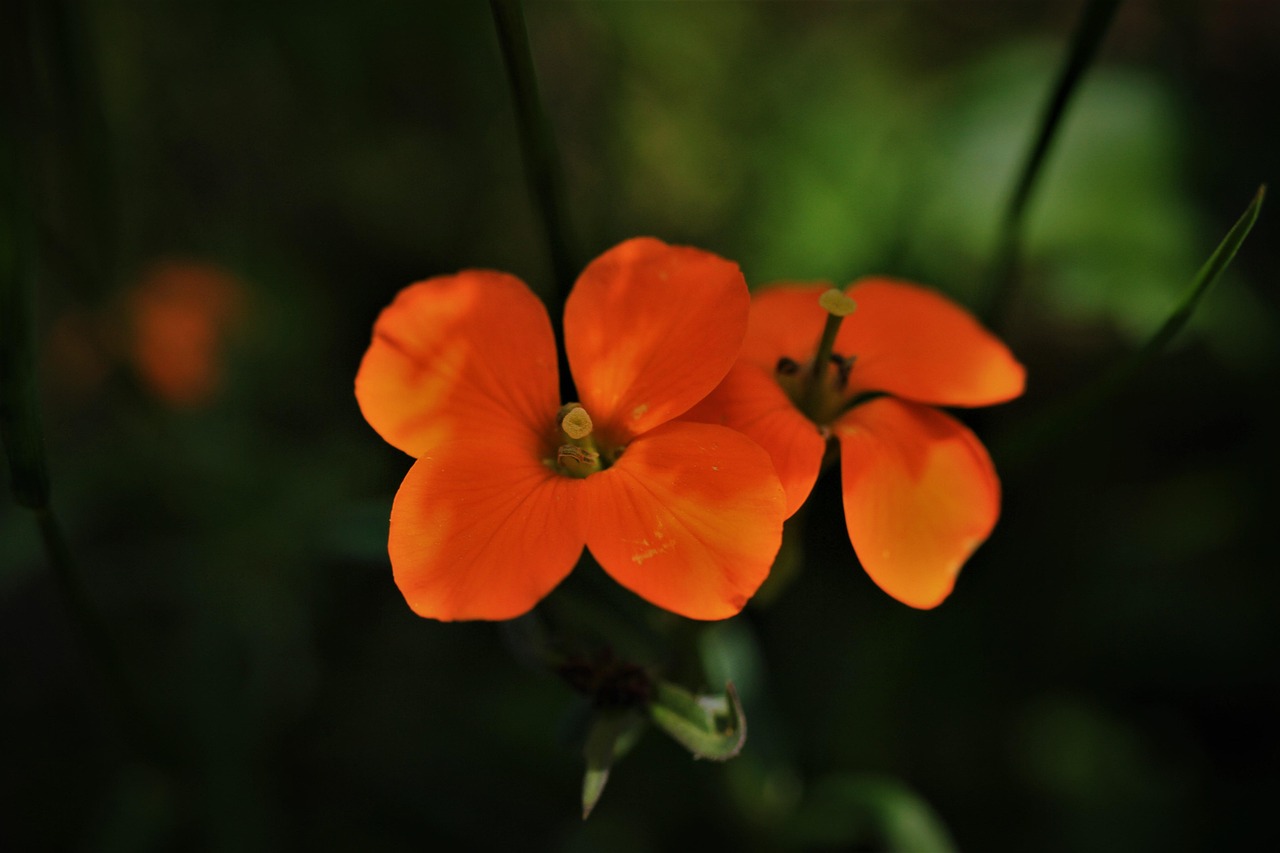

Understanding the light needs of wallflowers is fundamental to achieving a garden full of healthy foliage and abundant, fragrant blooms. These plants are naturally adapted to open, sunny environments where they can maximize their energy production through photosynthesis. Providing the correct amount of light not only influences the number of flowers but also the overall strength and shape of the plant. A well-placed wallflower will be a highlight of any spring garden display.
The primary rule for wallflowers is that they perform best in full sun, which means at least six hours of direct sunlight per day. This intense light exposure is what triggers the production of the flower buds and ensures a dense, compact growth habit. In lower light conditions, the plants tend to become “leggy,” stretching their stems toward the light and producing fewer flowers. A sunny border is the ideal home for these classic and beloved spring favorites.
While full sun is preferred, wallflowers are remarkably adaptable and can tolerate partial shade in some garden settings. In regions with very hot spring afternoons, a bit of light shade during the peak of the day can actually prevent the flowers from fading too quickly. However, the total amount of light should still be significant to maintain the plant’s health and vigor. Observing how the light moves across your garden throughout the day is the best way to choose the perfect spot.
The intensity and quality of light can also affect the fragrance of the wallflowers, which is one of their most famous attributes. Plants grown in bright, sunny locations often produce more of the essential oils that give them their sweet, spicy scent. On a warm spring day, the fragrance from a well-sited group of wallflowers can fill the entire garden area. Choosing a sunny spot near a path or seating area allows you to enjoy this sensory experience to the fullest.
Impact of light on growth habits
The direction and duration of sunlight play a significant role in how the physical structure of the wallflower develops over time. Plants that receive light from only one side may start to lean or grow unevenly as they try to reach the sun. Rotating container-grown plants every few days ensures that all sides of the foliage receive equal light for a balanced shape. In the garden, spacing the plants properly prevents them from shading each other out as they grow larger.
More articles on this topic
Early morning sun is particularly beneficial because it helps to dry off the morning dew from the leaves and flowers. This quick drying process is a natural defense against many types of fungal diseases that thrive in cool, damp conditions. A spot that catches the first rays of the sun is often the healthiest place in the garden for many spring-blooming species. This simple environmental factor can reduce the need for intervention and chemical treatments later in the season.
During the short days of late autumn and winter, the evergreen leaves of the wallflower still need light to survive. Even though the plant is not actively growing, it is still performing low levels of photosynthesis to maintain its energy reserves. This is why it is important not to tuck them away in a dark corner of the garden during the dormant season. Ensuring they have access to whatever light is available keeps them strong and ready for the spring burst.
If you find that your wallflowers are growing too tall and falling over, it is often a sign that they are not getting enough light. You can try to improve the light levels by pruning back overhanging shrubs or moving the plants to a brighter location. In some cases, providing a bit of support with small twigs or stakes can help, but more light is the real solution. A professional gardener always looks for the root cause of a growth issue rather than just treating the symptoms.
Light and the flowering cycle
The transition from vegetative growth to flowering is directly influenced by the increasing day length and light intensity of early spring. Wallflowers are among the first plants to respond to these environmental cues, bringing welcome color to the garden. The amount of light they receive during this critical period determines the size and number of the flower spikes. A plant in a prime sunny location will always outperform one stuck in a dark or heavily shaded area.
More articles on this topic
Excessive shade can lead to a complete lack of flowers, as the plant simply doesn’t have the energy to produce them. If your wallflowers are all green leaves and no blooms, it might be time to reconsider their position in the garden. Moving them to a sunnier spot in the early autumn can often fix this problem for the following year’s display. Learning from these observations is what makes gardening such an interesting and rewarding long-term hobby.
In very bright, high-altitude locations, the intense UV light can sometimes cause the colors of the flowers to become even more vibrant. On the other hand, in very hot climates, extreme sun can cause the petals to wilt or scorch if the plant is not well-watered. Balancing light and moisture is the key to maintaining a beautiful and long-lasting show of color in any climate. A bit of trial and error will help you find the perfect balance for your specific local conditions.
Finally, remember that the light levels in your garden will change as other trees and shrubs grow and fill out their leaves. What was a sunny spot five years ago might now be in deep shade for much of the day. Periodically reassessing the light conditions in your garden allows you to adapt your planting plan for continued success. Keeping your garden dynamic and responsive to change is a hallmark of an expert approach to horticultural management.
The requirement for full sun in wallflowers is not just about the number of flowers, but also about the plant’s structural integrity. In lower light conditions, Erysimum tends to become “leggy” as it undergoes etiolation, stretching its stems to find a better light source. This makes the plant much more prone to flopping over once the heavy flower spikes develop. I have measured significant differences in stem diameter between plants in full sun versus those in partial shade. For a truly professional display, you need that high light intensity to produce the thick, sturdy stems that can support themselves. If you have a shaded garden, you might consider the perennial Erysimum ‘Bowles’s Mauve’, which is slightly more tolerant of dappled light, though it still prefers sun.
That point about ‘Bowles’s Mauve’ is a great addition, Dr. Vance! I have it in a spot that only gets about four hours of sun, and it still manages to put on a decent show, although it’s definitely not as compact as the ones in my south-facing border. For the traditional biennial wallflowers, I’ve found that even a little bit of shade from a nearby shrub can cause them to lean quite noticeably. I now make sure to give them plenty of space so they aren’t competing for light with their neighbors. It really does make a difference in the overall neatness of the spring bed. Thank you for the technical explanation of why they stretch.
I’m growing wallflowers in containers on a balcony that faces west. They get very intense sun from 1:00 PM onwards, but nothing in the morning. So far, they seem to be thriving, but I have to be very careful with the watering because the pots dry out so fast in that heat. I’ve noticed that the fragrance is incredibly strong in the evening when the sun is hitting them directly. Is it possible for the light to be too intense for them? I’m worried about the leaves scorching if we have a particularly hot spring.
In my experience, wallflowers are very good at handling high light levels as long as their roots are kept cool and moist. The scorching usually happens when the plant is under water stress at the same time as high light intensity. If you are growing them in pots, using light-colored containers can help reflect some of the heat and prevent the roots from baking. I also find that the color of the flowers is much more stable in full sun; in the shade, the reds and purples can sometimes look a bit dull. It’s a sun-loving plant through and through.
That’s a very helpful tip about the light-colored containers, Marcus! I have some wallflowers in dark plastic pots and I’ve noticed they seem much more prone to wilting in the afternoon. I will try wrapping the pots in some light-colored burlap or even just moving them closer together so they shade each other’s roots. I agree that the flower color is much better in the sun. My ‘Fire King’ varieties look like they are glowing when the sun hits them, which is exactly why I grow them!
I have a question about the light requirements for the young seedlings. I’m starting some from seed in a greenhouse this year. Should I provide them with full sun right from the start, or do they need a bit of protection while they are small? I don’t want to “cook” them before they even get to the garden! Any advice on the light levels for the propagation phase would be greatly appreciated. I’m hoping for a big display next year.
I’ve noticed that my wallflowers in the sunniest part of the garden are already in full bloom, while the ones in a slightly more shaded corner are only just starting to show color. It’s amazing how much of a difference a few hours of extra light makes to the flowering time. This is actually quite useful for extending the overall season in the garden. I might intentionally plant some in “sub-optimal” spots next year just to have them flowering at different times. Does anyone else use light levels to time their displays like this?