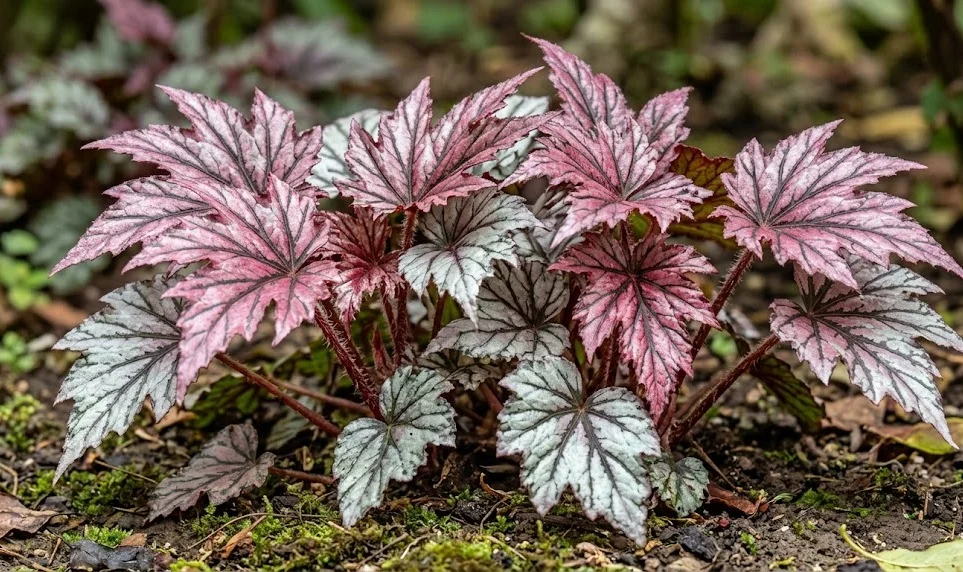

Pruning is a vital maintenance task that keeps the king begonia looking its best and encourages a healthy, bushy growth habit. While many beginners are hesitant to cut their plants, regular pruning is actually beneficial for the long-term vigor of the species. By removing old foliage and shaping the plant, you allow more light and air to reach the center of the crown. We will discuss the best techniques and timing for pruning your begonia to ensure it remains a centerpiece of your collection.
The primary goal of pruning a king begonia is to remove any dead, damaged, or diseased leaves that might be draining the plant’s energy. As the plant grows, older leaves will naturally yellow and wither at the base of the rhizome to make room for new growth. Removing these spent leaves not only improves the aesthetic appearance of the plant but also reduces the risk of fungal infections. Use a pair of sharp, sterilized scissors to make clean cuts as close to the base of the stem as possible.
Pruning can also be used to control the size and shape of the plant, especially if it has become leggy or lopsided. If your begonia is stretching too much toward the light, cutting back the longest stems can encourage the plant to branch out from lower points. This results in a more compact and attractive specimen with a higher density of colorful foliage. Always aim to cut just above a leaf node, as this is where the new growth will eventually emerge.
Timing your pruning activities is important to ensure the plant has the energy to recover and produce new shoots. The best time for a major pruning session is in the early spring, just as the plant is beginning its active growth phase. During this time, the increasing light and warmth will help the plant heal quickly and fill in any gaps with fresh, vibrant leaves. Avoid heavy pruning during the winter dormancy period, as the plant’s recovery will be much slower and more stressful.
Tools and techniques for success
Using the right tools is the first step toward a successful pruning session that doesn’t harm your king begonia. Small, sharp bypass pruners or specialized floral snips are ideal for the delicate and often brittle stems of this variety. It is absolutely essential to sterilize your blades with rubbing alcohol before you begin and between different plants. This simple precaution prevents the spread of bacteria and fungi that could cause the freshly cut stems to rot.
More articles on this topic
When making a cut, try to do so at a slight angle to prevent water from pooling on the flat surface of the wound. While begonias are relatively resilient, an open cut in a humid environment can sometimes become a gateway for pathogens. If you are removing a large portion of a rhizome, you can dust the cut end with a little bit of cinnamon or charcoal powder. These natural substances have anti-fungal properties that can help protect the plant while it heals.
Strategic pruning can also involve “pinching back” the very tips of the new growth to encourage branching. By removing the terminal bud, you force the plant to redirect its hormones to the lateral buds further down the stem. This technique is particularly effective for young plants that you want to train into a full, rounded shape from the beginning. It is a gentle way to manage the plant’s form without the need for drastic cuts later in its life.
Always take a moment to step back and look at the overall balance of the plant before you make any significant cuts. It is much easier to remove more foliage later than it is to fix a plant that has been over-pruned in a single session. Work slowly and methodically, focusing on one section of the plant at a time to ensure a symmetrical result. Your patience and careful attention to detail will result in a much more professional-looking indoor garden display.
Post-pruning care and propagation
After a significant pruning session, your king begonia will appreciate a little bit of extra care to help it bounce back. Ensure the plant is in its ideal light and humidity conditions to support the rapid production of new leaves and stems. Avoid fertilizing for a week or two after pruning to allow the plant’s internal systems to stabilize and focus on healing. You should see the first signs of new growth within a few weeks if the plant is healthy and happy.
More articles on this topic
One of the great benefits of pruning is that the healthy material you remove can often be used for propagation. Any sturdy stems or large, vibrant leaves can be turned into new plants using the techniques discussed in earlier sections. This makes pruning a productive task that allows you to expand your collection or share your favorite varieties with friends. Never throw away healthy begonia cuttings when they could easily become the start of a whole new generation of beauty.
If you find that your plant is not producing new growth after pruning, it may be a sign of an underlying health issue. Check the root system for signs of rot or the foliage for any pests that might be taking advantage of the plant’s temporary weakness. Sometimes, a lack of light is the reason for slow recovery, so moving the plant to a slightly brighter spot might help. Most king begonias are quite vigorous and will respond positively to a well-timed and careful trimming.
In conclusion, pruning is an essential part of the journey when growing the magnificent king begonia in your home. It is a practice that encourages longevity, beauty, and health while providing opportunities for propagation and renewal. By mastering these simple techniques, you ensure that your plant remains a vibrant and stunning member of your household for many years. Don’t be afraid to pick up your shears and give your begonia the attention it deserves to flourish.