
The king begonia is a master of the understory, designed by nature to thrive in the dappled sunlight of tropical forests. Finding the perfect light balance in a domestic setting is the key to unlocking its most vibrant and metallic leaf colors. Too much light can cause permanent damage to the delicate foliage, while too little will result in a leggy and lackluster appearance. Understanding the nuances of light exposure will allow you to create an environment where your begonia can truly shine.
The ideal light for a king begonia is best described as bright, indirect illumination that mimics a forest canopy. In most homes, this can be achieved by placing the plant near an east or north-facing window where the light is gentle. A south-facing window can also work if the plant is protected by a sheer curtain that diffuses the harsh midday rays. The goal is to provide enough energy for photosynthesis without exposing the thin leaf tissues to the direct heat of the sun.
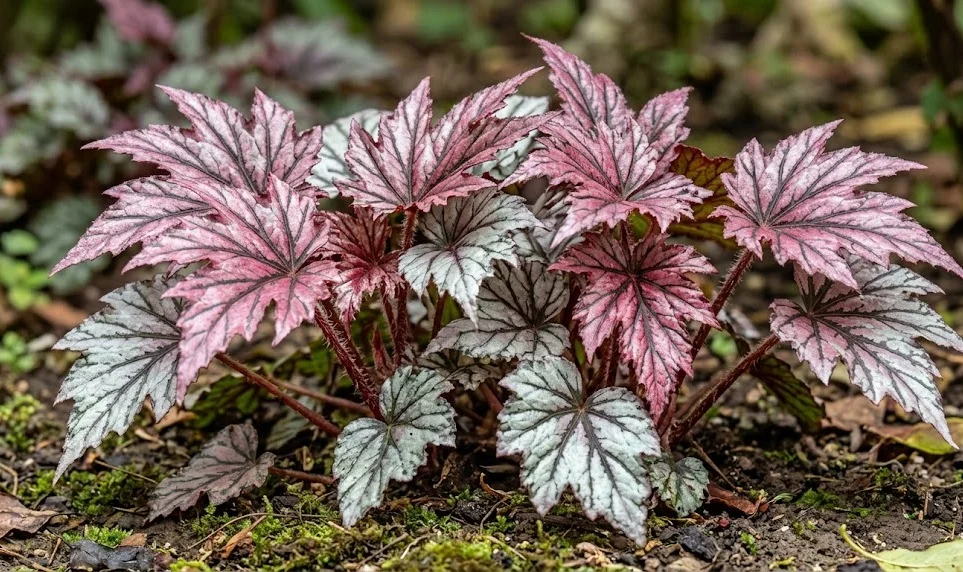
You can often tell if the light levels are correct by observing the intensity of the colors on the leaves. If the silver, purple, and pink patterns are vivid and the metallic sheen is prominent, the plant is likely in a perfect spot. If the colors start to fade or the leaves become mostly green, it is a clear sign that the plant is not receiving enough light. Adjusting the position of the plant by just a few feet can make a significant difference in its overall appearance.
Light duration is just as important as light intensity when considering the health of your king begonia. These plants generally prefer about twelve to fourteen hours of consistent light during their active growing season. As the seasons change and the days grow shorter, the plant naturally adjusts its metabolism to match the available energy. Providing a stable and predictable light cycle helps the plant maintain a regular growth habit throughout the year.
Managing seasonal light changes
As the seasons transition from the long days of summer to the shorter days of winter, the quality of light in your home will shift significantly. In the winter, the sun sits lower on the horizon, and the light that reaches your windows is much weaker and more diffused. To compensate for this, you may need to move your king begonia to a brighter location than it occupied during the summer. A spot that was too intense in July might provide the perfect amount of energy in December.
More articles on this topic
Artificial lighting can be a powerful tool for begonia enthusiasts who live in darker climates or have limited window space. Full-spectrum LED grow lights are an excellent way to supplement natural light and ensure the plant stays healthy during the dark months. These lights should be placed about twelve to eighteen inches above the foliage to prevent any heat damage. Using a timer to provide a consistent light schedule will help the plant maintain its natural rhythms regardless of the weather outside.
During the peak of summer, you must be particularly careful about the potential for “light scorch” on the sensitive leaves. If the sun hits the leaves directly during the hottest part of the day, it can cause brown, papery spots that do not recover. If you notice your plant’s leaves feeling unusually warm to the touch, it is a sign that it should be moved further back from the glass. Monitoring the movement of the sun throughout the day will help you identify any periods of dangerous exposure.
Clean windows are a simple but often overlooked factor in maximizing the light available to your indoor plants. A layer of dust or grime on the glass can block a surprising amount of beneficial solar radiation from reaching your begonia. Regularly cleaning both the inside and outside of your windows will ensure that your plant gets the most out of every sunny day. This small maintenance task can be particularly important during the winter when every bit of light counts.
Signs of light stress and correction
Learning to recognize the early signs of light stress will help you keep your king begonia in peak condition. Leggy growth, where the stems become long and thin with large gaps between the leaves, is a classic symptom of light deficiency. The plant is essentially “stretching” toward the nearest light source in an attempt to capture more energy for survival. If you see this happening, it is time to move the plant to a brighter spot or provide supplemental lighting.
More articles on this topic
On the other end of the spectrum, leaves that appear bleached or have yellowed patches may be suffering from too much light. This can happen if the plant is moved too quickly from a dark corner to a bright window without a period of acclimation. The chlorophyll in the leaves can become overloaded by intense light, leading to a breakdown of the plant’s internal structures. If you see these signs, move the plant back to a more shaded area and monitor its recovery.
Rotation is a vital practice for ensuring that all parts of your king begonia receive an equal amount of light over time. Plants will naturally grow toward the light, which can lead to a lopsided or unbalanced appearance if they are never moved. Giving the pot a quarter-turn every week or every time you water will encourage a full and symmetrical growth habit. This ensures that the beautiful foliage is displayed evenly on all sides of the specimen.
Finally, remember that every home has its own unique light profile, and what works for one person may not work for another. It may take some trial and error to find the absolute best spot for your king begonia within your specific living space. Don’t be afraid to experiment with different locations and observe how the plant responds over a period of a few weeks. Your attentiveness to the plant’s light needs will be rewarded with a stunning and healthy display of tropical beauty.