
Finding the ideal balance of sun and shade is one of the most important decisions you will make when placing these plants in your landscape. Light intensity and duration directly influence everything from the strength of the flower stalks to the saturation of the floral colors. You must understand how light interacts with the plant’s biology to create the most impressive display possible. A strategic approach to light management will ensure that your garden remains healthy and visually stunning throughout the entire season.
Optimal sun exposure
In most temperate climates, these plants perform best when they receive full sun for at least six to eight hours every day. This high level of light provides the energy needed for the massive production of flowers during the second year of growth. You will notice that plants grown in full sun tend to have shorter, sturdier stems that are less likely to flop over. The colors of the bells also tend to be more vibrant and intense when they are fueled by plenty of direct sunlight.
However, the quality of the light is just as important as the quantity, especially during the peak of the summer heat. In regions with very hot summers, the intense midday sun can sometimes cause the delicate petals to wilt or fade prematurely. You might find that your plants are happier if they receive their sun in the morning and have some protection during the hottest part of the afternoon. This subtle adjustment can extend the life of each individual flower and keep the overall display looking fresh for longer.
When choosing a site, observe how the shadows move across your garden at different times of the day and throughout the seasons. A spot that is in full sun in the early spring might be shaded by a nearby tree once the leaves have fully emerged in June. You need to account for these changes to ensure that the plants have consistent light during their critical flowering period. Professional landscape planning involves this kind of long-term observation and anticipation of environmental shifts.
If you are growing your plants in a greenhouse or indoors, you will need to provide very strong supplemental lighting to mimic the outdoor sun. Standard household bulbs are usually not powerful enough to prevent the seedlings from becoming weak and elongated. Using specialized full-spectrum grow lights will ensure that the young plants develop the robust structure they need for a successful life outdoors. High-quality light is the foundation of all healthy plant growth, whether it comes from the sun or a professional lighting system.
More articles on this topic
Managing partial shade
While full sun is often recommended, these plants are remarkably adaptable and can thrive in areas with partial shade. This is especially true in southern climates where the heat can be a significant stress factor for many traditional garden flowers. Partial shade means the plants receive direct sun for about four hours, usually in the morning, and filtered light for the rest of the day. This environment can help keep the soil cooler and more moist, which is a major benefit for these moisture-loving biennials.
In a shaded environment, the flowers may take slightly longer to open, but they often retain their color and texture for a greater period. The absence of intense UV radiation prevents the pigments from breaking down as quickly as they do in direct, harsh light. You might find that the pastel shades of blue, pink, and white look particularly ethereal and beautiful in the soft, diffused light of a woodland garden. Designing with light in mind allows you to create different moods and effects in your outdoor space.
One potential drawback of growing in more shade is that the plants may become slightly taller and more “leggy” as they reach for the light. This means you will need to be even more diligent about providing strong structural support with stakes or canes. You should also monitor the airflow more closely, as shaded areas can stay damp for longer and increase the risk of fungal diseases. Balancing the benefits of shade with these extra maintenance requirements is part of the expert gardener’s toolkit.
If you notice your plants are leaning heavily in one direction, it is a clear sign that they are not receiving enough light from all sides. You can sometimes correct this by pruning back overhanging branches of nearby shrubs or trees to let in more sky light. Even a small increase in the amount of light reaching the garden floor can make a significant difference in the health and vigor of your flowers. Being responsive to the plant’s visual cues is a key part of successful light management in the garden.
More articles on this topic
Recognizing light stress
Like all living things, plants can suffer when they receive too much or too little of a vital resource like light. Sunscald is a common issue that occurs when a plant moved from a shady spot is suddenly exposed to intense, direct sunlight. It appears as bleached or brown spots on the leaves where the tissue has literally been burned by the UV rays. You can prevent this by gradually introducing your plants to more light over a period of several days, allowing them to build up their natural defenses.
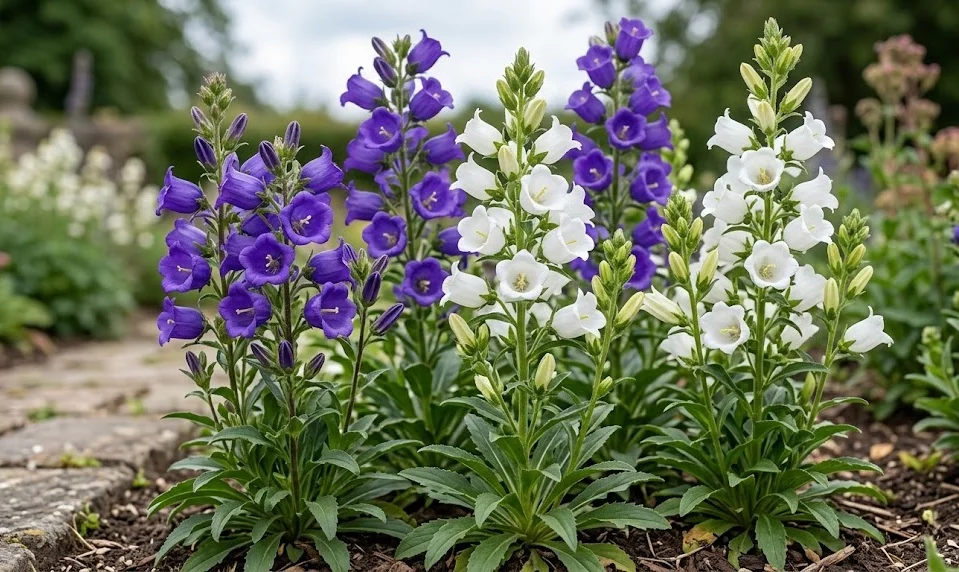
On the other hand, a plant that is struggling with low light will often show signs of stunted growth and a lack of flowering. The leaves may turn a pale, sickly green as the plant fails to produce enough chlorophyll to sustain itself. If your Canterbury bells are not producing their signature tall flower spikes, you should first evaluate the amount of light they are receiving. Moving them to a sunnier location in the following season is usually the best and most permanent solution to this problem.
Phototropism is the natural tendency of plants to grow toward the light, and it can be used as a diagnostic tool by the attentive gardener. If your flower stalks are growing at a sharp angle rather than straight up, they are telling you exactly where the best light is coming from. You can try to rotate potted plants regularly to ensure even growth on all sides, but for plants in the ground, you must work with the existing light. Understanding these biological responses makes you a more intuitive and effective caretaker of your garden.
Finally, remember that light levels also affect the local temperature and moisture evaporation rates in your garden beds. A sunny spot will dry out much faster than a shaded one, requiring you to be more proactive with your watering routine. Conversely, a shaded bed will stay cool and damp, which is great for the roots but requires more attention to prevent rot. Expert gardening is the art of balancing all these interconnected factors to create a harmonious and thriving environment for your beautiful flowers.