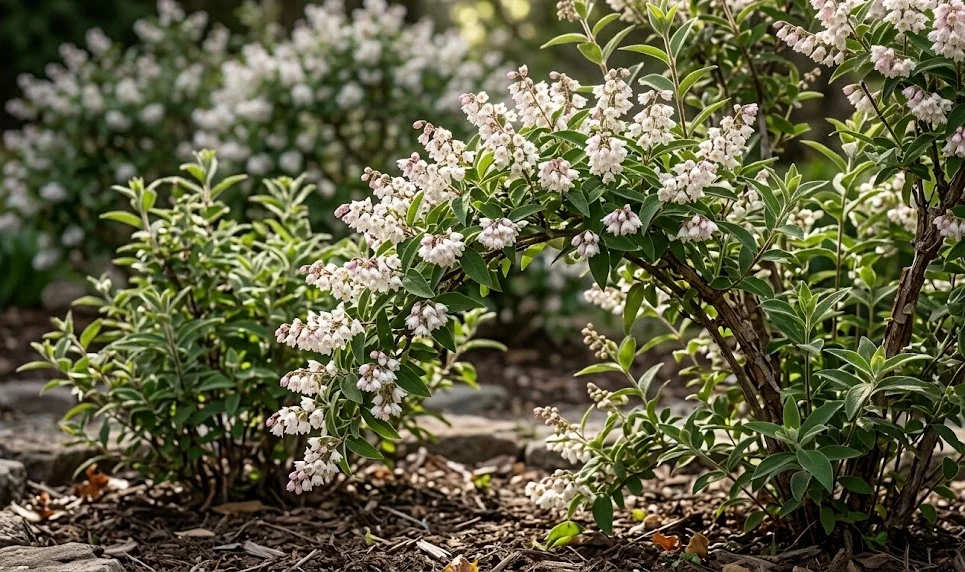

Pruning the fuzzy deutzia is an essential maintenance task that ensures the shrub remains healthy, productive, and aesthetically pleasing. This process is not just about controlling the size of the plant, but also about encouraging the growth of new wood and maximizing the floral display. When done correctly and at the right time, pruning can rejuvenate an old shrub and help a young one develop a strong and balanced structure. A professional approach to pruning is the key to a long-lived and beautiful specimen in any garden setting.
The most important rule to remember when pruning the fuzzy deutzia is that it blooms on the previous year’s growth, often referred to as “old wood.” This means that the flower buds are formed during the summer and autumn and then overwinter on the branches before opening in the spring. If you prune the shrub in the late winter or early spring, you will be cutting off all the potential flowers for that year. Understanding this fundamental aspect of the plant’s biology is crucial for timing your pruning activities correctly.
The ideal time to prune is immediately after the flowers have faded in the early summer months. This gives the shrub the maximum amount of time to grow new stems and develop the flower buds that will bloom the following year. By pruning at this stage, you are working in harmony with the plant’s natural growth cycle rather than against it. It also allows you to enjoy the full beauty of the spring bloom before you start shaping the plant for the future.
Before you begin, ensure that your pruning tools are sharp, clean, and in good working order. Using dull or dirty shears can cause jagged cuts that take longer to heal and are more susceptible to disease and pest infestation. A pair of bypass pruners is usually best for smaller stems, while loppers or a small pruning saw may be needed for thicker, older branches. Starting with the right equipment makes the job much easier and produces much better results for the health of the shrub.
Techniques for structural maintenance
The first step in any pruning session should be the removal of the “three Ds”: dead, damaged, and diseased wood. These branches serve no purpose for the plant and can actually become a source of infection if left in place. Cut these stems back to a healthy bud or all the way to the base of the plant if necessary. Clearing away this unproductive wood immediately improves the overall appearance of the shrub and allows more light and air to reach the healthy parts.
More articles on this topic
Thinning is a technique used to reduce the density of the shrub and improve air circulation within the canopy. To thin a fuzzy deutzia, you should selectively remove some of the oldest stems at ground level every year. This encourages the plant to produce fresh, vigorous shoots from the base, keeping the shrub looking young and full of life. Aim to remove about one-fifth to one-third of the oldest wood each season to maintain a healthy balance of new and old growth.
Heading back involves cutting individual branches to a healthy, outward-facing bud to control the height and spread of the plant. This technique can be used to shape the shrub and prevent it from becoming too leggy or sprawling. When making these cuts, always aim for a slight angle that allows water to run off the wound rather than sitting on it. Be careful not to over-prune, as the fuzzy deutzia is at its most beautiful when allowed to maintain its natural, arching form.
You should also look for any branches that are crossing or rubbing against each other, as this can cause wounds in the bark. Removing one of the offending branches will prevent future damage and help maintain a clear and organized structure. A well-pruned shrub should have a balanced distribution of branches that allows light to reach all parts of the foliage. Taking the time to evaluate the plant’s form from different angles will help you make the best pruning decisions.
Rejuvenation and specialized pruning
If you have an old, neglected fuzzy deutzia that has become a tangled mess of woody stems, you might consider a more radical rejuvenation pruning. This involves cutting the entire shrub back to within a few inches of the ground in the early spring. While this will mean you lose the flowers for one season, the plant will respond by sending up a flush of healthy new growth. This is a great way to “reset” an old plant and give it a fresh start if it has become too large or unsightly.
More articles on this topic
After a rejuvenation pruning, it is important to provide the shrub with extra care to support its rapid regrowth. Ensure it is well-watered and consider a light application of balanced fertilizer to provide the necessary nutrients. You will need to thin out the resulting new shoots over the next year or two to prevent the shrub from becoming too crowded again. This process requires a bit of patience, but the results can be truly transformative for a tired and overgrown shrub.
For gardeners who want a more formal look, the fuzzy deutzia can be lightly sheared into a more rounded shape after blooming. However, you must be careful not to prune too late in the summer, or you will still risk losing next year’s flowers. Frequent shearing can also lead to a very dense outer shell of leaves that shades out the interior of the plant. If you choose this method, you must still perform some interior thinning to keep the center of the shrub healthy and productive.
Finally, always step back and look at your work frequently as you prune to ensure you are achieving the desired effect. It is very easy to get carried away and remove too much wood if you only focus on one small section at a time. Pruning is as much an aesthetic exercise as it is a horticultural one, and your personal taste will play a large role in how you shape your plants. With practice and observation, you will develop a feel for how the fuzzy deutzia responds to your touch and how to keep it looking its absolute best.