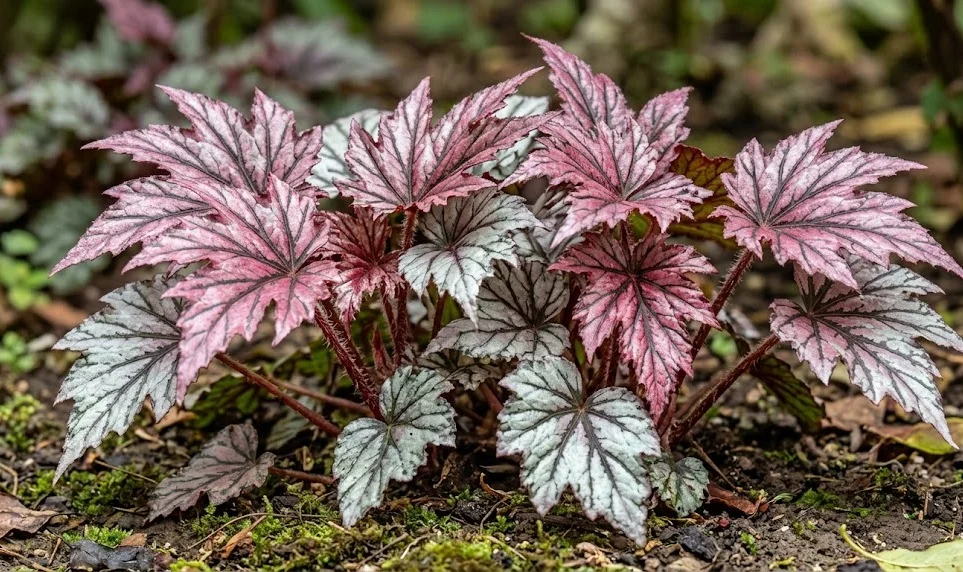

The king begonia is a spectacular plant, but its lush and succulent nature makes it a target for various diseases and pests. Maintaining a healthy environment is the first line of defense against these unwanted visitors. Gardeners must remain vigilant and inspect their plants regularly to catch issues before they escalate into major problems. Understanding the common threats and how to treat them organically is essential for any serious indoor plant collector.
Fungal diseases are among the most frequent challenges faced by begonia growers, particularly in humid indoor environments. Powdery mildew is a classic example, appearing as white, flour-like spots on the surface of the beautiful leaves. This fungus thrives in areas with poor air circulation and high humidity, which are often the exact conditions we try to create for these plants. If left untreated, it can quickly spread and cause the foliage to become distorted and eventually die.
Botrytis, or gray mold, is another serious fungal threat that can devastate a healthy king begonia. It usually starts on old or decaying plant matter and quickly moves to healthy tissues under damp conditions. You will see fuzzy gray growth on the leaves, stems, and flowers, often accompanied by rapid rotting of the affected areas. Improving air movement and carefully removing dead leaves are the most effective ways to prevent this destructive pathogen.
Rhizome and root rot are perhaps the most dangerous issues because they often go unnoticed until it is too late. These conditions are almost always caused by overwatering or poorly draining soil that stays wet for too long. The plant may appear to be wilting even when the soil is moist, and the stems near the base will feel soft and mushy. Catching this early is the only way to save the plant, often requiring a complete change of soil and surgical removal of decayed parts.
Identifying common insect pests
Mealybugs are one of the most persistent pests that plague begonias in many home collections. These small, white, cottony insects like to hide in the crevices where the leaves join the stems or on the undersides of the foliage. They feed by sucking the sap from the plant, which weakens it over time and causes stunted growth. If you see sticky residue on the leaves, known as honeydew, it is a sure sign that mealybugs or other sap-sucking insects are present.
More articles on this topic
Spider mites are microscopic pests that can cause significant damage before they are even visible to the naked eye. They thrive in warm, dry conditions and often appear when the indoor humidity levels drop too low during the winter. You might notice fine webbing between the stems or a stippled, dusty appearance on the surface of the leaves. Increasing humidity and washing the leaves regularly can help keep these troublesome arachnids at bay.
Aphids are small, pear-shaped insects that can appear in shades of green, black, or even pink on your begonias. They tend to cluster on the soft, new growth at the tips of the stems, causing the emerging leaves to become curled or deformed. Like mealybugs, they excrete honeydew, which can lead to the growth of unsightly black sooty mold on the foliage. A strong stream of water or an application of insecticidal soap is often enough to manage a small infestation.
Thrips are tiny, slender insects that move quickly and can be difficult to spot on the textured leaves of the king begonia. They feed by scraping the surface of the leaves, leaving behind silvery streaks and small black dots of excrement. This damage not only ruins the aesthetic appeal of the plant but also interferes with its ability to photosynthesize. Thrips can be very mobile, so it is important to treat all nearby plants to prevent the infestation from spreading.
Preventative care and hygiene
The best way to deal with pests and diseases is to prevent them from entering your indoor garden in the first place. Always quarantine new plants for at least two weeks before introducing them to your existing collection. This waiting period allows you to observe the new arrival for any signs of trouble without risking the health of your other plants. A quick inspection at the garden center can also save you a lot of trouble down the road.
More articles on this topic
Keeping your gardening tools clean is a professional habit that significantly reduces the spread of pathogens. Always sterilize your scissors or pruning shears with alcohol before moving from one plant to another. This prevents the accidental transfer of fungal spores or bacteria that might be lurking on a seemingly healthy plant. Clean pots and fresh, sterile potting soil are also essential components of a hygienic growing environment.
Proper spacing between your plants allows for adequate air circulation, which is a natural deterrent for many fungal issues. When plants are crowded together, humidity levels can spike, and air becomes stagnant, creating a perfect breeding ground for mold. Giving each plant its own space ensures that the foliage can dry quickly after watering or during humid weather. A small fan can also be used to keep the air moving gently throughout the room.
Regularly removing spent flowers and dead or yellowing leaves is a simple but effective maintenance task. Decaying plant matter acts as a magnet for pests like fungus gnats and provides a home for various molds. By keeping your king begonia tidy, you remove the primary food sources and hiding spots for these unwanted organisms. This proactive grooming also allows you to inspect the plant more closely on a regular basis.
Organic treatment options
If you do find pests on your king begonia, there are several organic methods you can use to treat the problem. For small infestations of mealybugs or aphids, a cotton swab dipped in rubbing alcohol can be used to dab the insects directly. This method is precise and avoids exposing the entire plant to chemicals while effectively killing the pests on contact. Be sure to check the plant every few days to catch any newly hatched individuals.
Neem oil is a versatile organic treatment that works as both an insecticide and a fungicide for many indoor plants. It disrupts the life cycle of pests and can help control issues like powdery mildew and spider mites. When applying neem oil, always test a small area of a leaf first to ensure the plant doesn’t have an adverse reaction. Apply the solution in the evening or on a cloudy day to prevent the sun from burning the treated foliage.
Insecticidal soaps are another safe and effective option for managing soft-bodied insects like aphids and thrips. These soaps work by breaking down the outer shell of the insects, causing them to dehydrate and die. It is important to cover all surfaces of the plant, including the undersides of the leaves, for the treatment to be successful. You may need to repeat the application several times to ensure that the entire pest population is eradicated.
For fungal issues, a simple spray made from baking soda and water can sometimes help manage mild cases of powdery mildew. The alkaline nature of the solution makes the leaf surface less hospitable for fungal spores to germinate. However, for more serious infections, removing the most heavily affected leaves is often the most practical solution. Always prioritize the long-term health of the entire plant over saving a few damaged leaves.
Recovery and long-term monitoring
After treating a plant for pests or disease, it will need some time to recover from the stress of the experience. Avoid fertilizing a sick or recovering begonia, as this can place additional strain on its weakened system. Instead, focus on providing optimal light, temperature, and humidity to support its natural healing processes. You may see a temporary halt in new growth, which is a normal part of the recovery phase.
Once the immediate threat has passed, continue to monitor the plant closely for any signs of a recurring problem. Pests like thrips and mealybugs often lay eggs that are resistant to treatments, leading to a second wave of infestation. Consistency in your inspection routine is the key to ensuring that the plant remains healthy in the long run. If the problem persists despite your best efforts, you may need to reconsider the plant’s environment.
Improving the overall vigor of your king begonia is the best way to make it more resistant to future attacks. A plant that receives the right amount of light, water, and nutrients will have a stronger immune system and better natural defenses. Healthy plants can often tolerate a small number of pests without suffering significant damage. Focus on the fundamentals of begonia care to create a robust and resilient specimen.
Finally, don’t be discouraged if you encounter a few setbacks along the way, as every gardener faces these challenges. Dealing with pests and diseases is a valuable learning experience that helps you become a more skilled and observant caretaker. Each successful treatment adds to your horticultural knowledge and prepares you for future gardening adventures. Your king begonia can thrive for many years with just a little bit of extra attention and care.