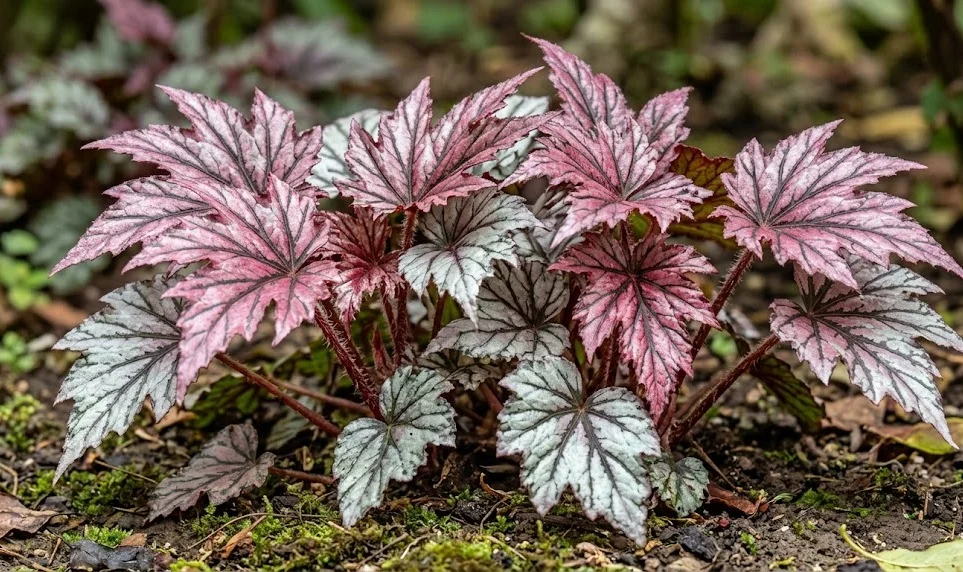

Wintering the king begonia is a critical phase that determines whether your plant will return with vigor in the spring or struggle to survive. As daylight hours shorten and temperatures drop, these tropical hybrids undergo a natural shift in their metabolic processes. Understanding how to support the plant during this dormant or semi-dormant period is essential for every indoor gardener. With the right adjustments to your care routine, you can ensure your begonia remains healthy throughout the coldest months of the year.
The primary challenge of wintering begonias indoors is the dramatic change in the home environment. Central heating systems often create very dry air, which is the opposite of what these humidity-loving plants require. At the same time, window sills can become unexpectedly cold, creating a temperature gradient that can stress the plant’s root system. Finding a balanced spot that is away from both hot radiators and freezing drafts is the first step toward a successful winter.
During the winter, the growth rate of the king begonia slows down significantly as it tries to conserve energy. You will notice that the plant produces very few, if any, new leaves during this period of the year. This is a perfectly normal biological response and should not be misinterpreted as a sign of ill health. The goal of winter care is not to force new growth, but to maintain the existing foliage and protect the underground rhizomes.
Watering habits must be adjusted more than almost any other aspect of care during the winter months. Because the plant is not actively growing and evaporation is slower, it requires much less moisture than it did in the summer. Overwatering during winter is the most common cause of root rot and plant death in domestic settings. Always allow the soil to dry out more than usual before deciding to add water to the container.
Managing light and temperature
As the sun sits lower in the sky, the intensity and duration of natural light decrease significantly for indoor plants. Your king begonia may need to be moved closer to a window to ensure it receives enough light to maintain its vibrant colors. An east or west-facing window that was too bright in the summer might be the perfect location during the winter. If your home is particularly dark, consider using a full-spectrum grow light to supplement the natural day length.
More articles on this topic
Temperature stability is vital for keeping the tropical rhizomes of the begonia from going into a deep, irreversible shock. Aim to keep the ambient temperature between 15 and 20 degrees Celsius during the daytime, with only a slight drop at night. Avoid placing the plant in unheated rooms or near doors that are frequently opened to the outside air. If the temperature drops too low, the plant may drop all its leaves and go into a protective dormancy.
If your plant does lose its leaves due to the cold or low light, do not give up on it immediately. As long as the rhizome remains firm and healthy, the plant has the potential to sprout again when conditions improve. In such cases, reduce watering even further and keep the pot in a cool, dark place until the spring. This “forced dormancy” is sometimes necessary for certain begonia varieties to reset their biological clocks for the next season.
Monitoring the temperature of the soil can be just as important as monitoring the air temperature around the foliage. Cold soil can inhibit the roots’ ability to absorb water and nutrients, even if the room feels warm to you. Using a decorative pot cover or placing the plant on a wooden surface rather than stone or metal can help insulate the roots. A little bit of extra warmth at the root level can go a long way in keeping a begonia happy during a cold snap.
Humidity and air quality
The dry air produced by indoor heating is perhaps the greatest enemy of the king begonia during the winter. When the humidity drops below 40 percent, the delicate leaf edges will quickly begin to turn brown and brittle. Using a dedicated room humidifier is the most effective way to maintain the 50 to 60 percent humidity that these plants crave. If a humidifier isn’t an option, grouping several plants together can help create a more humid micro-environment through collective transpiration.
More articles on this topic
Pebble trays are another traditional method for localized humidity control that can be very effective for individual plants. Fill a shallow tray with stones and water, then place the begonia pot on top, ensuring the bottom of the pot doesn’t touch the water. As the water evaporates, it creates a small cloud of moisture directly around the foliage of your king begonia. This constant, gentle humidity is much better for the plant than occasional misting, which can lead to fungal issues.
Air quality can also be a concern in tightly sealed homes during the winter months when fresh air is limited. Dust tends to accumulate more quickly on the textured leaves of the begonia when the house is closed up. Regularly wiping the leaves with a soft, damp cloth will help keep the pores clear and maximize the plant’s limited light absorption. This simple maintenance task also gives you a chance to inspect the plant for any winter pests like spider mites.
Avoid using leaf shine products or heavy oils during the winter, as the plant’s reduced metabolism makes it less able to cope with them. If the air in your home feels particularly stagnant, occasionally opening a window in a different room can help refresh the atmosphere. Just be sure that no cold air reaches the begonia directly, as this can cause immediate and visible damage. Balancing fresh air with warmth and humidity is the key to a healthy winter environment.
Dormancy and spring preparation
As the winter draws to a close, you should begin to look for the first signs of renewed life in your king begonia. Small, pinkish nubs emerging from the rhizome indicate that the plant is waking up from its winter rest. This is the signal to gradually increase the frequency of your watering to support the developing new growth. You should also start moving the plant back to its brighter, summertime location to provide the energy needed for the transition.
Spring is the ideal time to evaluate whether your begonia needs a fresh start in a new pot or with fresh soil. If the plant has become leggy or lost many of its lower leaves during the winter, a light pruning can encourage a bushier habit. You can also take this opportunity to divide the rhizomes if the plant has grown too large for its current container. Refreshing the top layer of soil will provide a small boost of nutrients to kickstart the new growing season.
Wait until you see consistent new growth before you resume your regular fertilization schedule in the early spring. Starting too early can lead to a buildup of salts that might damage the tender new roots as they begin to expand. Begin with a very diluted solution and gradually work your way up to full strength as the days get longer and warmer. This careful transition helps the plant move smoothly from dormancy into its most productive phase.
Wintering the king begonia may seem like a daunting task, but it is a natural part of the plant’s life cycle that rewards the patient gardener. By paying close attention to light, temperature, and humidity, you can protect your beautiful specimen from the harshest indoor conditions. The satisfaction of seeing those first new leaves in the spring makes all the extra winter effort worthwhile. Your begonia will thank you with a spectacular display of color and texture as the warm weather returns.