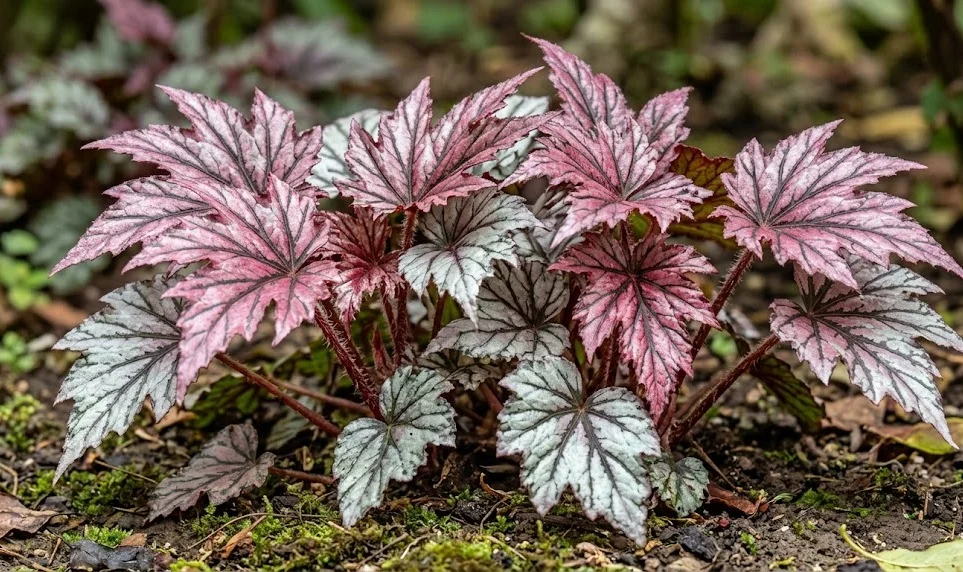

Caring for the king begonia is a rewarding journey that requires a blend of patience and horticultural understanding. This specific variety is highly prized by collectors for its stunning metallic foliage and intricate leaf patterns that can brighten any indoor space. While many gardeners find begonias intimidating, mastering their environment is the secret to ensuring they thrive for many years. We will explore the essential steps to maintaining a healthy and vibrant plant throughout its various growth stages.
Creating the right foundation starts with selecting a location that mimics the natural tropical habitat of the species. These plants prefer a stable environment where temperatures do not fluctuate wildly between day and night cycles. You should avoid placing your specimen near drafty windows or heating vents that might dry out the delicate leaf edges. A consistent temperature range between 18 and 24 degrees Celsius is generally considered ideal for active growth.
The soil environment is equally important when considering the long-term health of your king begonia. A well-draining peat-based mix provides the necessary aeration that the sensitive root system requires to avoid rot. Many professional growers suggest adding perlite or vermiculite to standard potting soil to enhance its structure and drainage capabilities. Ensuring that the pot has adequate drainage holes is a non-negotiable requirement for any serious indoor gardener.
Humidity plays a vital role in the physiological processes of these ornamental plants throughout the entire year. Since they originate from humid forest floors, dry indoor air can quickly lead to browning leaf tips and stunted growth. Using a pebble tray filled with water or a dedicated humidifier can significantly improve the ambient moisture levels around the foliage. However, you should avoid misting the leaves directly, as trapped moisture can invite fungal pathogens to settle on the surface.
Understanding the growth cycle
Observing the seasonal changes in your plant will help you adjust your care routine to match its biological needs. During the spring and summer months, you will notice a significant increase in leaf production and overall vigor. This is the period when the plant requires the most attention in terms of monitoring its nutrient and water intake. Understanding these shifts allows you to become a more proactive gardener rather than a reactive one.
More articles on this topic
As autumn approaches, the growth rate of the king begonia naturally slows down in response to decreasing daylight hours. You may notice that the plant produces fewer new leaves and the existing ones may appear less vibrant than before. This is a perfectly normal part of the plant’s life cycle and should not cause immediate alarm. Reducing the frequency of interventions during this time helps the plant prepare for its winter resting phase.
The winter months represent a period of dormancy where the plant focuses on maintaining its core energy reserves. During this time, the metabolic processes of the begonia are significantly reduced to conserve resources. It is essential to respect this resting period by limiting any major changes to the plant’s immediate environment. Forcing growth during dormancy can lead to weak stems and a higher susceptibility to environmental stressors.
When spring returns, the king begonia will begin to show signs of renewed life through small new shoots. This is the perfect time to evaluate the overall health of the plant and prepare for the upcoming growing season. You might see a sudden surge in color intensity as the plant reacts to the increasing intensity of natural light. Gently cleaning the leaves with a soft brush can help maximize their ability to photosynthesize effectively.
Optimizing the indoor environment
The placement of your plant within a room can dictate its success more than almost any other factor. Finding a spot with bright, indirect light is the gold standard for achieving the best foliage color and density. Avoid south-facing windows where the direct midday sun might scorch the thin and sensitive leaf tissues. A north or east-facing window usually provides the gentle illumination that these begonias crave for steady development.
More articles on this topic
Air circulation is a frequently overlooked aspect of begonia care that can prevent many common indoor gardening issues. While the plant loves humidity, stagnant air can lead to the buildup of moisture that encourages mold growth. Ensuring there is a gentle movement of air around the plant helps keep the foliage dry and healthy. You should never crowd too many plants together, as this limits the airflow and increases the risk of cross-contamination.
Temperature stability is a cornerstone of maintaining a stress-free environment for your king begonia throughout the year. Drastic drops in temperature during winter nights can cause the plant to drop leaves or go into a state of shock. Keep the plant away from air conditioners during the summer to prevent localized chilling of the leaves. A steady and warm environment encourages the rhizomes to remain active and healthy even during slower periods.
Choosing the right container is more than just an aesthetic choice for your home decor. Terracotta pots are often recommended because they allow the soil to breathe and help moisture evaporate more evenly. However, plastic or glazed ceramic pots can also work if you are careful not to overwater the plant. Ensure the size of the pot is proportional to the root ball to prevent excess soil from holding too much water.
Soil and nutrition management
The king begonia thrives in a substrate that is rich in organic matter but remains light and airy. Commercial African violet mixes are often a great starting point for those who do not wish to blend their own. The acidity of the soil should ideally be slightly on the lower side of the pH scale to facilitate nutrient uptake. Refreshing the top inch of soil every few months can provide a small boost of fresh minerals to the plant.
Fertilization should be handled with care, as begonias can be sensitive to the buildup of salts in the potting medium. Using a balanced liquid fertilizer diluted to half strength is generally the safest approach for most home growers. During the peak growing season, applying this solution every two to four weeks will support the production of large leaves. Always ensure the soil is moist before applying fertilizer to prevent any potential damage to the delicate root hairs.
As the plant matures, the soil can become compacted, which limits the amount of oxygen reaching the roots. Periodically poking small holes in the soil with a thin stick can help re-introduce air into the root zone. If you notice a white crust forming on the surface of the soil, it may be a sign of mineral buildup. Flushing the soil with distilled water occasionally can help wash away these harmful accumulations and restore balance.
The role of micronutrients should not be underestimated when trying to achieve the most intense foliage colors. Elements like magnesium and iron contribute to the vibrant pinks and purples found in this specific hybrid variety. Using a fertilizer that includes a full spectrum of trace elements will ensure the plant has everything it needs. Pay close attention to the foliage, as yellowing between the veins can often indicate a specific nutrient deficiency.
Humidity and moisture balance
Maintaining a consistent level of humidity is perhaps the most challenging part of begonia care for modern homeowners. The ideal humidity level for these plants is typically between 50 and 60 percent, which is higher than most homes. If you notice the edges of the leaves becoming crispy and brown, it is a clear signal to increase moisture. Grouping plants together can create a small microclimate that naturally boosts the local humidity levels through transpiration.
While moisture is important, the king begonia is particularly susceptible to crown rot if water sits in the center. Always direct your watering efforts toward the soil surface rather than pouring water over the top of the foliage. If the leaves do get wet, try to ensure they have enough airflow to dry out relatively quickly. Observing the plant’s reaction to your watering routine will help you find the perfect rhythm for your specific environment.
The quality of the water you use can have a long-term impact on the health of your king begonia. Tap water often contains chlorine and fluoride, which can be detrimental to sensitive tropical plant species over time. Using rainwater or filtered water at room temperature is the preferred method for many professional collectors. Allowing tap water to sit out for twenty-four hours can also help some of the harsher chemicals dissipate.
Overwatering is the most common reason why king begonias fail in a domestic setting. It is better to wait until the top inch of soil feels dry before adding more moisture to the pot. During the winter, the plant’s water needs will decrease significantly, so you should adjust your habits accordingly. Regularly checking the weight of the pot can be a simple and effective way to gauge the moisture level.
Aesthetic and leaf maintenance
The primary appeal of the king begonia is undoubtedly its magnificent foliage, which requires occasional cleaning to look its best. Dust can accumulate on the textured surface of the leaves, blocking light and reducing the efficiency of photosynthesis. Use a soft, dry brush or a damp cloth to gently remove any debris from the leaf surfaces. Never use leaf shine products, as these can clog the pores of the plant and cause permanent damage.
Removing old or damaged leaves is a necessary part of keeping your plant looking tidy and professional. Use sterilized scissors to cut away any foliage that has turned yellow or brown at the base of the stem. This practice not only improves the appearance of the plant but also encourages the growth of new, healthy leaves. Regular grooming allows you to inspect the plant closely for any early signs of pests or diseases.
Rotating your plant every few weeks is essential for maintaining a balanced and symmetrical growth habit. Since begonias will naturally lean toward the strongest light source, they can become lopsided if left in one position. A simple quarter-turn each time you water the plant will ensure that all sides receive equal illumination. This prevents the stems from becoming elongated and weak on the side facing away from the window.
The stems of the king begonia can sometimes become heavy as the plant grows larger and more established. Providing a small bamboo stake or a decorative support can help keep the plant upright and prevent stem breakage. As the plant expands, you may need to reconsider its placement to ensure it has enough room to spread. Giving the plant space to breathe will help maintain the integrity of its beautiful foliage over time.
Long term health and troubleshooting
Watching for changes in leaf color and texture is the best way to catch problems before they become serious. If the leaves begin to lose their metallic luster, it may be an indication that the plant is receiving too much light. Conversely, very pale leaves often suggest that the plant needs more nutrients or a brighter location. Developing an eye for these subtle shifts is what separates a beginner from an expert gardener.
Root health is often invisible but remains the most critical factor in the longevity of your king begonia. If the plant seems to be wilting despite having moist soil, the roots may have already begun to rot. In such cases, removing the plant from its pot and trimming away any mushy, dark roots is necessary. Repotting into fresh, dry soil can sometimes save a plant that has been overwatered.
Consistency is the ultimate secret to success when it comes to the long-term care of tropical hybrids. While these plants can be somewhat forgiving of occasional mistakes, they thrive best under a steady and predictable routine. Keeping a small journal of your watering and feeding schedule can help you identify patterns in the plant’s health. Over time, you will develop an intuitive understanding of what your king begonia needs to flourish.
Sharing your passion for begonias with others can be a great way to learn more about advanced care techniques. Joining local gardening clubs or online forums provides access to a wealth of collective knowledge and experience. Many enthusiasts find that swapping tips and cuttings is the most enjoyable part of the horticultural hobby. Your king begonia can become a centerpiece of your collection and a source of pride for years to come.