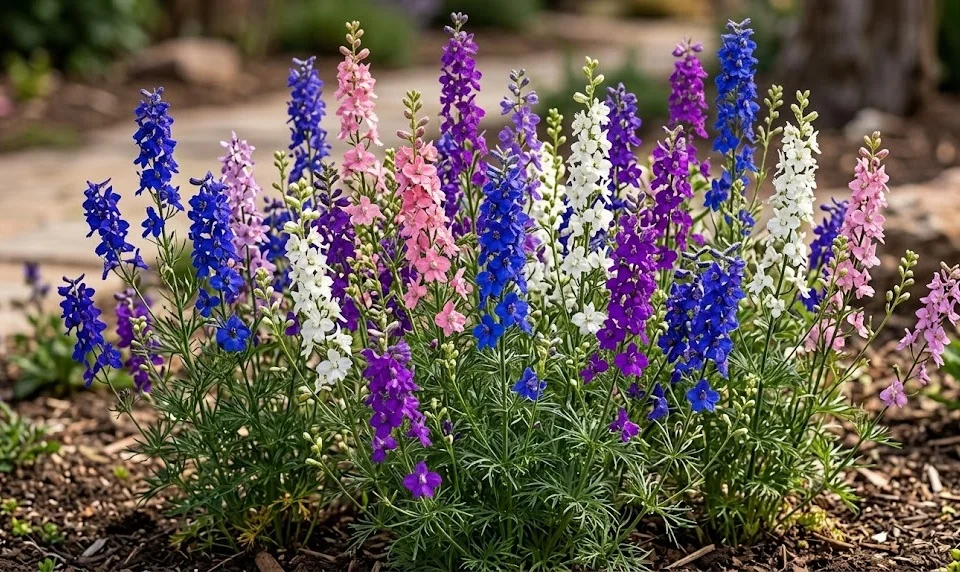

Properly managing the hydration and nutritional needs of garden larkspur is the secret to producing those iconic, towering spikes of vibrant color. These plants have specific requirements that differ from many common perennials, particularly due to their rapid growth cycle as annuals. A professional approach involves balancing consistent moisture with a targeted feeding schedule that supports both structural integrity and floral abundance. By mastering these two pillars of care, you can ensure your larkspur remains a standout feature in your summer garden.
Hydration basics and watering techniques
Larkspur requires a consistent supply of moisture, especially during the critical phases of stem elongation and flower bud development. The soil should ideally remain damp to the touch but never saturated, as these plants are susceptible to root rot in waterlogged conditions. During periods of active growth, you should aim to water deeply at least once or twice a week, depending on the ambient temperature and rainfall. Shallow watering encourages a weak, surface-level root system, which can cause the tall plants to topple over during dry spells.
The timing of your watering routine is just as important as the volume of water applied to the garden beds. It is best to water in the early morning hours, allowing the foliage to dry completely before the sun reaches its peak intensity. Watering in the evening can leave the leaves damp overnight, which creates a perfect breeding ground for fungal diseases like powdery mildew. If morning watering isn’t possible, use a soaker hose or drip irrigation system to deliver water directly to the base of the plants without wetting the leaves.
Using the right tools can make a significant difference in the health of your garden larkspur over the course of the season. A long-handled watering wand with a gentle shower head allows you to reach into the center of a dense planting without damaging the delicate stems. For larger areas, installing a dedicated irrigation system can save time and provide a more uniform distribution of moisture. Professional gardeners often monitor the soil moisture using a simple finger test or a dedicated moisture meter to avoid guesswork.
Environmental factors like wind and humidity also play a role in how quickly the soil dries out and how much water the plants need. On windy days, the rate of transpiration increases significantly, and the larkspur may show signs of wilting even if the soil seems moist. In these cases, a light supplemental watering can help the plant recover its turgidity and prevent permanent damage to the flower spikes. Being observant and responsive to the daily weather patterns is a hallmark of an expert gardener.
More articles on this topic
Fertilizer requirements for peak performance
Providing the right nutrients at the right time is essential for the rapid development of garden larkspur from a seedling to a flowering giant. These plants are relatively heavy feeders because they must accomplish their entire life cycle in a single growing season. Before planting, it is highly beneficial to incorporate a balanced, slow-release fertilizer into the top few inches of the soil. This provides a steady supply of essential elements like nitrogen, phosphorus, and potassium as the young roots begin to explore their environment.
As the plants enter their period of rapid vertical growth, they may require additional supplemental feeding to maintain their momentum. A water-soluble fertilizer applied every two to three weeks can provide an immediate boost to the plant’s metabolic processes. Look for a formula that is slightly higher in phosphorus, as this element is crucial for the development of strong roots and a high volume of flower buds. Avoid high-nitrogen fertilizers at this stage, as they can cause the stems to grow too quickly, making them soft and prone to breaking.
The application method for fertilizers should be precise to avoid burning the delicate foliage or the base of the stems. Always apply liquid fertilizers to moist soil rather than dry earth, as this helps the roots absorb the nutrients more efficiently and safely. If you are using granular products, make sure to scratch them into the soil surface and water them in thoroughly immediately after application. A professional tip is to stop fertilizing once the first flowers on the spike begin to open, as the plant has already stored the energy it needs for the bloom.
Organic options, such as compost tea or seaweed extract, are excellent alternatives for those who prefer a more natural approach to plant nutrition. These amendments not only provide essential minerals but also help to improve the overall biological health of the soil. Compost tea, in particular, is rich in beneficial microbes that can help protect the larkspur from certain soil-borne pathogens. Integrating both organic and inorganic methods can often yield the best results for a professional-looking flower border.
More articles on this topic
Organic vs. synthetic nutrients
The debate between organic and synthetic fertilizers is a common topic among gardeners, and both have their place in the care of garden larkspur. Synthetic fertilizers offer the advantage of precise nutrient ratios and immediate availability, which can be helpful during a growth spurt. However, they do not contribute to the long-term health of the soil and can sometimes lead to a buildup of salts if used excessively. For a professional gardener, the goal is often to use synthetics strategically rather than as the sole source of nutrition.
Organic fertilizers, such as bone meal, blood meal, and well-rotted manure, release their nutrients more slowly over time. This slow-release mechanism is perfect for the steady, sustained growth that leads to the highest quality larkspur spikes. Organics also improve the soil structure by increasing its ability to hold both water and air, creating a more resilient environment for the plants. While they may not provide the “instant green” effect of synthetics, the long-term benefits to the garden ecosystem are significant.
Many professional growers use a hybrid approach, starting the season with a base of organic compost and supplementing with liquid synthetic feeds during the peak blooming period. This provides the best of both worlds: a healthy, living soil and a targeted boost of energy when the plant is working its hardest. It is important to read the labels of any product you use and follow the application rates carefully to avoid nutrient imbalances. Over-fertilizing is just as detrimental as under-fertilizing and can lead to a variety of physiological problems.
Foliar feeding is another technique that can be used to deliver nutrients directly through the leaves for a very fast response. This is particularly useful if the plant is showing signs of a specific deficiency, such as yellowing between the leaf veins. When applying a foliar spray, make sure the solution is very diluted and apply it during the coolest part of the day to avoid leaf scorch. While not a substitute for proper soil nutrition, foliar feeding is a valuable tool in the professional gardener’s repertoire.
Managing drought stress
Despite their need for consistent moisture, garden larkspur can sometimes face periods of unexpected drought or extreme heat. When water becomes scarce, the plant will prioritize survival over flowering, often leading to smaller spikes or a shortened blooming season. To mitigate this, you can use heavy mulching to keep the roots cool and slow the evaporation of moisture from the soil surface. A three-inch layer of organic mulch can be a lifesaver for your flowers during a dry summer.
If you notice your larkspur wilting in the midday sun, don’t panic, as this is often a natural defense mechanism to reduce moisture loss. However, if the plants remain wilted after the sun has gone down, they are in urgent need of a deep, thorough watering. In extreme cases, you may need to cut back some of the lower foliage to reduce the plant’s overall water demand. This helps the larkspur focus its remaining resources on keeping the main stem and flower spike alive until conditions improve.
Professional gardeners often group plants with similar water needs together to make irrigation more efficient and effective. By planting larkspur alongside other moisture-loving annuals, you can ensure that the entire bed receives the appropriate amount of care without overwatering nearby desert-loving plants. This zoning strategy is a fundamental principle of sustainable landscape design and helps to conserve water while maintaining a lush appearance. Using rain barrels to collect and store water for use during dry spells is another excellent professional practice.
Long-term drought management also involves improving the soil’s organic matter content over several years. Soils that are rich in humus act like a sponge, holding onto water and releasing it slowly to the plant roots as needed. Regularly adding compost or aged manure to your larkspur beds will build this resilience over time, making your garden less dependent on constant manual watering. A healthy, well-fed plant with a deep root system is always better equipped to handle the challenges of a changing climate.
Identifying nutrient deficiency signs
Being able to “read” your plants is a professional skill that allows you to address nutritional issues before they ruin your floral display. Nitrogen deficiency typically manifests as a general yellowing of the older, lower leaves, while the new growth remains green. If you notice this, a quick application of a high-nitrogen liquid fertilizer can often reverse the trend within a few days. Phosphorus deficiency, on the other hand, often causes the leaves to take on a purplish or dark blue-green tint and can severely stunt flower production.
Potassium is essential for overall plant health and water regulation, and a lack of it often shows up as browning or “scorching” along the edges of the leaves. This can be mistaken for drought stress, so it is important to check the soil moisture before assuming the plant just needs more water. A lack of minor nutrients, such as iron or magnesium, can also cause specific patterns of chlorosis or spotting on the foliage. Using a complete fertilizer that includes micronutrients is the best way to prevent these less common but still damaging issues.
Soil testing is the only definitive way to know what is happening beneath the surface and what your larkspur truly needs. Many professional laboratories offer detailed soil analysis services that can tell you exactly which nutrients are missing and what the current pH level is. Armed with this information, you can tailor your fertilization program to the specific needs of your garden, saving money and preventing environmental pollution from over-application. A soil test every three to five years is a wise investment for any serious gardener.
Finally, remember that the environment can sometimes interfere with a plant’s ability to absorb nutrients even if they are present in the soil. For example, if the soil is too cold or too wet, certain elements may become chemically “locked up” and unavailable to the roots. Improving drainage and waiting for the soil to warm up can sometimes solve a “deficiency” more effectively than adding more fertilizer. Understanding the complex interplay between soil, water, and nutrients is what elevates gardening from a hobby to a professional craft.