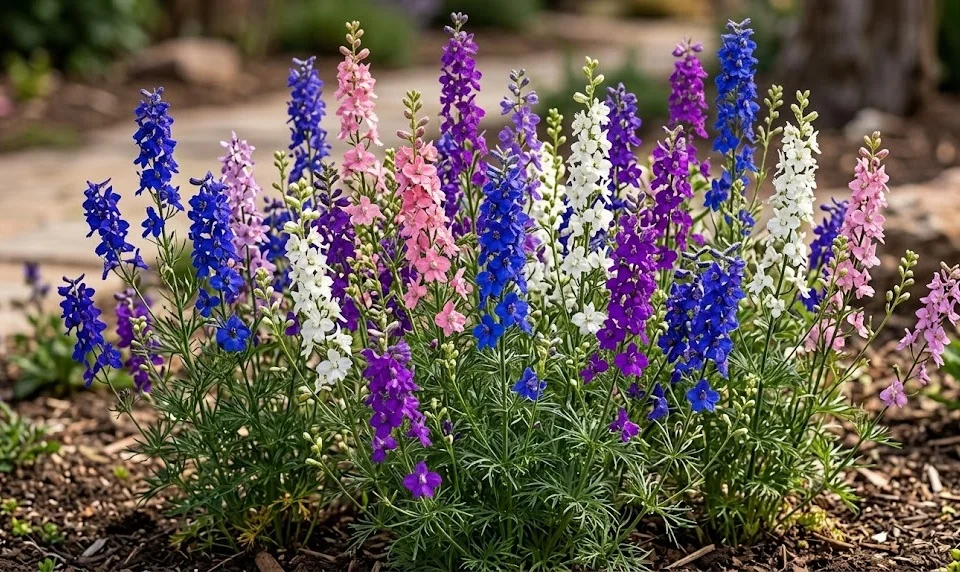

Caring for garden larkspur is an exceptionally rewarding endeavor for any gardener who appreciates the vertical drama and vibrant hues of traditional cottage gardens. These annuals are known for their striking spikes of blue, pink, and white flowers that dance gracefully in the summer breeze. While they are relatively self-sufficient once established, understanding their specific needs ensures a more prolific and sustained blooming period. By paying close attention to their environment, you can transform a simple garden bed into a professional-grade floral display.
Creating the ideal environment
The foundation of successful care begins with selecting a location that mimics the natural habitat of these hardy annuals. They thrive best in regions where the transition from spring to summer is gradual, allowing their root systems to strengthen before the intense heat arrives. You should ensure that the site has excellent air circulation to prevent the buildup of stagnant moisture around the delicate foliage. Poorly ventilated areas often lead to stunted growth and a higher susceptibility to environmental stressors that can ruin the aesthetic of the plant.
Soil quality plays a pivotal role in the overall health and vigor of your garden larkspur throughout the growing season. These plants prefer a medium that is rich in organic matter but retains a loose, friable texture for easy root penetration. If your garden consists of heavy clay, it is highly recommended to incorporate generous amounts of well-rotted compost or leaf mold to improve drainage. Conversely, extremely sandy soils may require additional organic amendments to help retain the necessary moisture levels during peak summer months.
Microclimate considerations are often overlooked by novice gardeners but are essential for professional results. In hotter climates, providing a bit of afternoon shade can prevent the blooms from bleaching or wilting prematurely under the harsh sun. However, in cooler temperate zones, maximizing every hour of direct sunlight is necessary to encourage the strongest possible stems. Balancing these environmental factors requires observation and a willingness to adjust your care routine as the seasons progress.
The structural integrity of the plant is also a key component of general care, especially for taller varieties. Because these plants produce heavy floral spikes on relatively slender stems, they can be prone to bending or breaking during heavy rain or wind. Providing subtle support early in the growth cycle allows the plant to grow through the structure, masking the support naturally. Bamboo stakes or specialized circular supports work wonders in maintaining a tidy and professional appearance in the flower border.
More articles on this topic
Soil management and maintenance
Managing the soil profile is a continuous process that extends beyond the initial planting phase. As the larkspur grows, it depletes specific nutrients from the earth, necessitating a mindful approach to soil replenishment. Regularly checking the soil pH is advisable, as these plants generally prefer a neutral to slightly alkaline environment for optimal nutrient uptake. If the soil becomes too acidic, you might notice a yellowing of the lower leaves or a general lack of vigor in the developing spikes.
Mulching is a professional technique that provides multiple benefits for garden larkspur care. A thin layer of organic mulch, such as shredded bark or clean straw, helps to regulate soil temperature and suppress competing weeds. This protective barrier also prevents soil-borne pathogens from splashing onto the foliage during heavy rain events. Be careful not to pile mulch directly against the base of the stems, as this can trap excess moisture and lead to stem rot.
Compaction is another issue that can negatively impact the performance of your flowers over time. Walking frequently near the base of the plants can squeeze the air out of the soil, making it difficult for water to reach the roots. Professional gardeners often use stepping stones or dedicated paths to minimize foot traffic in sensitive growing areas. If you notice the soil surface has become hard and crusty, gently scratching the top inch with a hand tool can help break the tension and improve aeration.
The transition between growth phases requires a shift in how the soil is handled. During the peak vegetative stage, the focus should be on maintaining a stable environment with minimal disturbance to the root zone. As the plant begins to set seed, the nutrient demands change, and the soil should be allowed to dry out slightly more than during the active blooming period. Understanding these subtle shifts in soil management will help you maintain a healthy and vibrant garden larkspur patch year after year.
More articles on this topic
Structural support and staking
Providing adequate support is one of the most critical aspects of caring for tall garden larkspur varieties. Without intervention, a single heavy thunderstorm can flatten an entire bed of these beautiful flowers, leading to heartbreak for the gardener. The goal of staking should be to provide stability while remaining as unobtrusive as possible within the landscape. Using natural materials like hazel twigs or dark green metal supports can help the structural elements blend seamlessly with the foliage.
Timing is everything when it comes to implementing support systems for your floral spikes. It is much easier to install stakes when the plants are only a few inches tall rather than trying to wrangle mature, flowering stems. As the larkspur grows, you can gently tie the main stems to the supports using soft garden twine or specialized clips. Ensure the ties are loose enough to allow for the natural thickening of the stem as the season progresses.
For large-scale plantings or professional cutting gardens, horizontal netting is an efficient way to support many plants at once. This method involves stretching a wide-mesh plastic or wire net across the bed at a height of about twelve to eighteen inches. The larkspur stems will naturally grow up through the holes, which provides excellent lateral stability without the need for individual ties. This technique saves a significant amount of labor while ensuring that every flower spike remains perfectly upright for harvesting.
Observing the weather forecast is a professional habit that can save your larkspur from disaster. If a significant wind event is predicted, take a few moments to check that all ties are secure and that the supports are firmly anchored in the ground. In some cases, adding a few extra temporary stakes can provide the necessary reinforcement to weather the storm. Once the weather clears, you can remove any temporary measures to restore the natural aesthetic of the garden.
Seasonal care adjustments
The care requirements for garden larkspur evolve significantly as the calendar moves from early spring to late summer. In the cool days of early spring, the primary focus is on protecting young seedlings from late frosts and ensuring they have enough space to expand. Thinning out crowded seedlings is a difficult but necessary task to ensure that the remaining plants have access to adequate light and nutrients. Stronger plants with better spacing are far more likely to produce impressive flower spikes later in the year.
As the heat of summer intensifies, the gardener must shift their focus toward moisture management and heat protection. Larkspur generally dislikes extreme heat, so providing extra water during heatwaves can help the plants survive the stress. You may also notice that the plants begin to look a bit tired after their first major flush of blooms. This is the ideal time to implement specific pruning techniques to encourage a second, albeit smaller, display of flowers.
Late summer care is primarily about deciding whether to harvest seeds or allow the plant to complete its natural life cycle. If you want the larkspur to self-sow for the following year, you must leave some of the dried seed pods on the plant. This requires a balance between maintaining a tidy garden and allowing for the natural propagation of the species. Professional gardeners often leave a few of the strongest specimens at the back of the border for seed production while removing others to keep the area neat.
The end of the season brings the final task of clearing away the spent plant material to prevent disease carryover. Once the larkspur has completely browned and released its seeds, the entire plant should be pulled or cut at ground level. Removing this debris from the garden helps to eliminate overwintering sites for pests and fungal spores. Composting the healthy remains is a great way to recycle nutrients, provided the plants were not heavily infested with pathogens.
Maximizing the blooming period
To get the most out of your garden larkspur, you must master the art of deadheading spent blooms. Removing the fading flower spikes before they have a chance to set seed signals the plant to redirect its energy into producing new buds. This simple practice can extend the flowering season by several weeks, providing a continuous splash of color in your borders. Use sharp, clean shears to make a clean cut just above a set of healthy leaves or a lateral bud.
The nutritional status of the plant also directly influences the quality and duration of the blooming phase. A balanced approach to feeding ensures that the larkspur has the necessary resources to sustain its heavy floral load. Avoid over-applying nitrogen-rich fertilizers during the blooming stage, as this can lead to excessive foliage at the expense of flowers. Instead, look for formulas that are slightly higher in phosphorus and potassium to support strong stems and vibrant petals.
Environmental stress is the enemy of a long-lasting floral display, so consistency is key to success. Fluctuations in moisture levels or sudden changes in light exposure can cause the plant to drop its buds prematurely. By maintaining a regular schedule for watering and monitoring the garden daily, you can catch minor issues before they escalate. A professional gardener knows that prevention is always more effective than trying to fix a plant that has already begun to fail.
The variety of larkspur you choose to grow also dictates how long your garden will remain in bloom. By planting a mix of early, mid-season, and late-flowering cultivars, you can create a rolling wave of color that lasts throughout the summer. Some modern hybrids have been specifically bred for longer stems and increased heat tolerance, making them excellent choices for challenging climates. Researching the specific characteristics of different varieties allows you to tailor your garden to your local conditions perfectly.
Companion planting and design
Integrating garden larkspur into a broader landscape design requires an understanding of how it interacts with other species. These tall, airy plants are perfect for adding height to the middle or back of a mixed border without creating a heavy visual block. They pair beautifully with shorter, mounding perennials like hardy geraniums or silver-leaved artemisia, which can hide the often-sparse lower foliage of the larkspur. The contrast in textures creates a sophisticated and professional look that appeals to the eye.
From a functional standpoint, certain companion plants can actually help improve the health of your larkspur. For example, planting low-growing herbs around the base can provide a living mulch that keeps the roots cool while attracting beneficial insects. Marigolds or nasturtiums are often used to deter pests that might otherwise target the tender larkspur stems. This holistic approach to gardening reduces the need for chemical interventions and promotes a more balanced ecosystem.
Color theory is another professional tool you can use when caring for and arranging your garden larkspur. The classic deep blue varieties look stunning when paired with bright yellow coreopsis or orange California poppies. For a more serene and romantic feel, try mixing soft pink larkspur with white roses or lavender-colored catmint. Planning these combinations in advance ensures that your garden feels intentional and well-crafted rather than a random collection of plants.
The density of your planting also affects the overall health and visual impact of the display. While it is tempting to pack plants closely together for an instant effect, this can lead to poor air circulation and increased competition for resources. Following the recommended spacing guidelines allows each larkspur plant to reach its full potential and display its natural form. A professional-looking garden is one where each plant has the space it needs to thrive while still contributing to a cohesive whole.
Ensuring long-term garden health
Maintaining the health of your garden larkspur population over several years requires a focus on seed quality and soil vitality. If you rely on self-sowing, it is important to occasionally introduce new seed stock to maintain genetic diversity and prevent vigor loss. Over time, self-sown populations can drift toward their wild forms, which may have smaller flowers or less desirable growth habits. Refreshing your seed collection every few years ensures that your garden continues to produce high-quality blooms.
Crop rotation is a professional agricultural principle that can also be applied to the ornamental flower garden. Growing larkspur in the exact same spot year after year can lead to a buildup of soil-borne diseases and specific nutrient depletions. By moving your larkspur patches around the garden, you give the soil a chance to recover and break the life cycles of localized pests. This simple strategy is one of the most effective ways to maintain a healthy and productive garden over the long term.
Record-keeping is an invaluable habit for any serious gardener looking to improve their professional skills. Keeping a garden journal where you note planting dates, weather patterns, and the performance of different varieties provides a wealth of information for future seasons. You might discover that a certain corner of your yard consistently produces the best larkspur, or that a specific fertilizer brand works better than others. These personal insights are far more valuable than general advice found in books.
Ultimately, the care of garden larkspur is a journey of observation and adaptation to the unique conditions of your own garden. Each season brings new challenges and opportunities to learn more about this fascinating and beautiful plant species. By combining technical knowledge with a gentle, hands-on approach, you can ensure that your garden remains a sanctuary of color and life. The effort you put into caring for these plants will be rewarded with a spectacular display that captures the essence of summer.