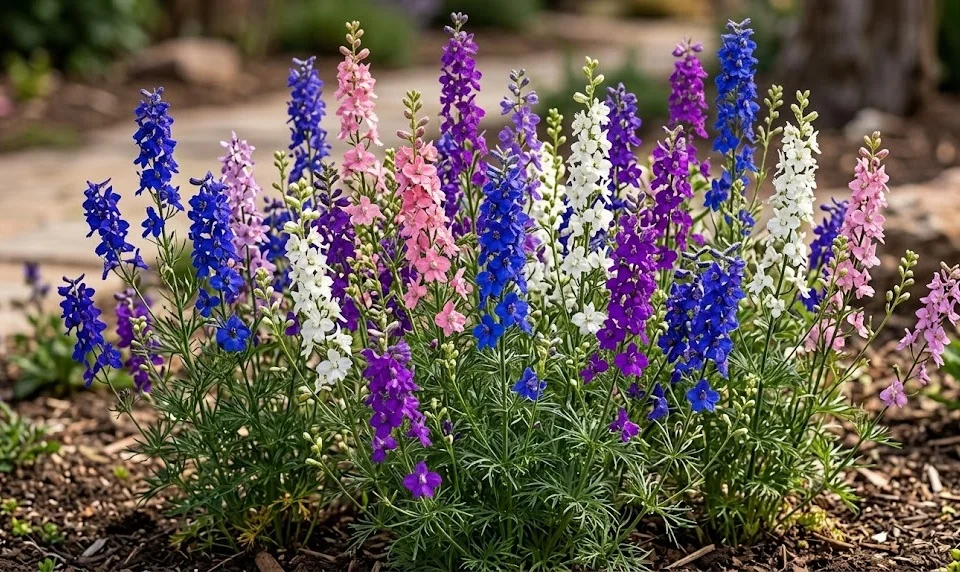

Understanding the nuances of overwintering garden larkspur is essential for gardeners who want to maximize the performance of these stunning annuals. While technically classified as annual plants, larkspur has a unique relationship with the cold that can be leveraged to produce earlier and more robust blooms. A professional approach to winter care focuses on the survival of seeds and the protection of autumn-sown seedlings, ensuring a seamless transition from one growing season to the next. By mastering these overwintering techniques, you can enjoy a more resilient and prolific flower garden.
Cold hardiness and life cycle
To successfully overwinter garden larkspur, one must first understand its natural life cycle and how it interacts with freezing temperatures. As a cool-season annual, it is remarkably hardy and actually benefits from a period of cold weather to trigger its growth processes. In many temperate climates, seeds that fall to the ground in late summer will naturally germinate in the autumn and form a small rosette of leaves. These young plants are surprisingly tough and can survive temperatures well below freezing if they are properly established before the deepest cold arrives.
The biological strategy of the larkspur is to get a head start on the following spring by staying semi-dormant during the winter months. This allows the root system to continue developing slowly even when the top growth appears to be stationary. When the ground begins to warm in the spring, these overwintered plants have a significant advantage over those sown in the spring, often blooming weeks earlier. Understanding this “winter-ready” nature is the key to managing a professional-grade larkspur population that feels like a permanent fixture in the garden.
Not all larkspur varieties have the same level of cold tolerance, so it is important to research the specifics of the cultivars you are growing. Some modern hybrids may be slightly more tender and require extra protection if a particularly severe winter is expected. However, the traditional species forms are often the most resilient and can handle a wide range of winter conditions without much intervention. Professional gardeners often experiment with different sowing dates to see which plants survive the winter best in their specific microclimate.
Environmental factors such as soil drainage and exposure to wind also play a critical role in the plant’s winter survival. Larkspur is far more likely to die from “wet feet” in the winter than from the cold itself, as stagnant water around the roots can lead to rot. A professional tip is to ensure your overwintering beds are slightly elevated or amended with grit to facilitate fast drainage during winter rains and snowmelt. Providing a windbreak can also prevent the drying effects of cold winter winds from damaging the delicate evergreen rosettes.
More articles on this topic
Preparing the garden for frost
The preparation for winter begins long before the first frost arrives, with a focus on clearing away debris and providing a protective environment. If you have allowed your larkspur to self-sow, the area should be left relatively undisturbed to allow the new seedlings to find their footing. Remove any large, dead stems from the previous season to improve air circulation and reduce the risk of fungal spores overwintering in the garden bed. This cleanup process helps to create a tidy look while still respecting the natural propagation cycle of the plants.
Applying a layer of mulch is a professional technique that provides insulation for the soil and protects the young larkspur rosettes from temperature fluctuations. However, the type and application of mulch must be handled with care to avoid smothering the small plants. A light, airy material like evergreen boughs or straw is ideal, as it provides protection without trapping too much moisture or blocking all the light. Avoid heavy, wet mulches like matted leaves, which can create a suffocating environment that leads to crown rot during the winter.
For those in extremely cold regions, a temporary cold frame or cloche can provide an extra layer of security for prized larkspur seedlings. These structures act like mini-greenhouses, trapping solar heat during the day and providing a buffer against the harshest nighttime lows. It is important to vent these structures on sunny winter days to prevent the internal temperature from rising too high, which could prematurely wake the plants from their dormancy. A professional gardener knows that consistency in temperature is often more important than the absolute minimum reached.
Watering should not be entirely ignored during the winter, especially during long dry spells when the ground is not frozen. Even though the plants are dormant, their roots still need a small amount of moisture to remain viable and resist desiccation. Check the soil occasionally and provide a light watering if it feels exceptionally dry and the weather forecast is clear. This simple act of maintenance can make the difference between a thriving spring garden and a bed full of dead plants that failed to make it through the winter.
More articles on this topic
Protecting autumn-sown seedlings
Autumn sowing is a professional secret for producing the tallest and most impressive larkspur spikes, but it requires a bit of extra care during the winter. These “winter-annual” seedlings must be large enough to handle the cold but not so large that they become succulent and vulnerable to frost damage. The ideal size is a rosette of about three to five inches across, which provides enough energy storage to survive until spring. If the plants are too small, they may be pushed out of the soil by the freeze-thaw cycle, a phenomenon known as frost heaving.
To prevent frost heaving, you can apply a slightly thicker layer of mulch around the base of the seedlings once the ground has frozen for the first time. This helps to keep the soil at a more constant temperature, reducing the dramatic expansion and contraction that lifts plants out of the earth. If you do notice plants that have been pushed up, gently press them back into the soil as soon as it thaws to prevent the roots from drying out. A professional eye during the mid-winter thaws is essential for catching these issues early.
In areas with heavy snowfall, the snow itself acts as an excellent natural insulator for overwintering larkspur. A thick blanket of snow protects the plants from extreme air temperatures and helps to maintain a stable soil environment. If you are clearing paths or driveways, try to avoid piling heavy, compacted snow directly onto your flower beds, as this can crush the delicate rosettes and delay spring growth. Let the natural snowfall do its work and only intervene if the plants are exposed to prolonged, sub-zero winds.
Pest management also continues into the winter, as some creatures remain active even in the cold. Voles and mice can sometimes tunnel under the mulch and feed on the tender crowns of the larkspur rosettes, leading to unexpected losses in the spring. Using wire mesh protectors or ensuring that mulch is not piled too tightly against the plants can help deter these small mammals. A professional gardener stays vigilant year-round, knowing that the health of the spring garden is determined by the care provided during the winter months.
Post-winter recovery and spring transition
As the days begin to lengthen and the soil warms up, your overwintered larkspur will start to show signs of new growth. This is the time to gradually remove any heavy winter protection, such as evergreen boughs or excess straw, to allow the plants to breathe. Do this over a period of several days to avoid shocking the tender new leaves with sudden exposure to bright sun and wind. This transition phase is critical for ensuring that the plants move smoothly into their rapid spring growth spurt.
Spring is also the ideal time to assess the survival rate of your overwintering plants and make any necessary adjustments to the garden layout. If some areas have gaps, you can carefully transplant small seedlings from crowded spots to fill in the empty spaces. This should be done as early as possible while the weather is still cool to minimize root shock. A professional-looking bed is one that is full and even, and early spring is your best opportunity to achieve this balance.
The first feeding of the season should be applied once you see consistent new green growth emerging from the centers of the rosettes. A balanced liquid fertilizer can provide the necessary nutrients to support the plant’s transition from dormancy to active vegetative growth. Be careful not to over-apply nitrogen too early, as this can lead to soft growth that might be damaged by a late-season frost. A slow and steady approach to spring fertilization is always the most professional and effective method.
Finally, keep a close watch on the weather forecast as spring can be a volatile season with sudden temperature drops. Even plants that have survived the winter can be vulnerable to a “late spring frost” once they have begun to put on soft, new growth. Having some light row covers or old sheets on hand to throw over the larkspur during a frost warning can save your early blooms. The effort you put into overwintering and early spring care will be rewarded with a spectacular display that is the envy of the neighborhood.