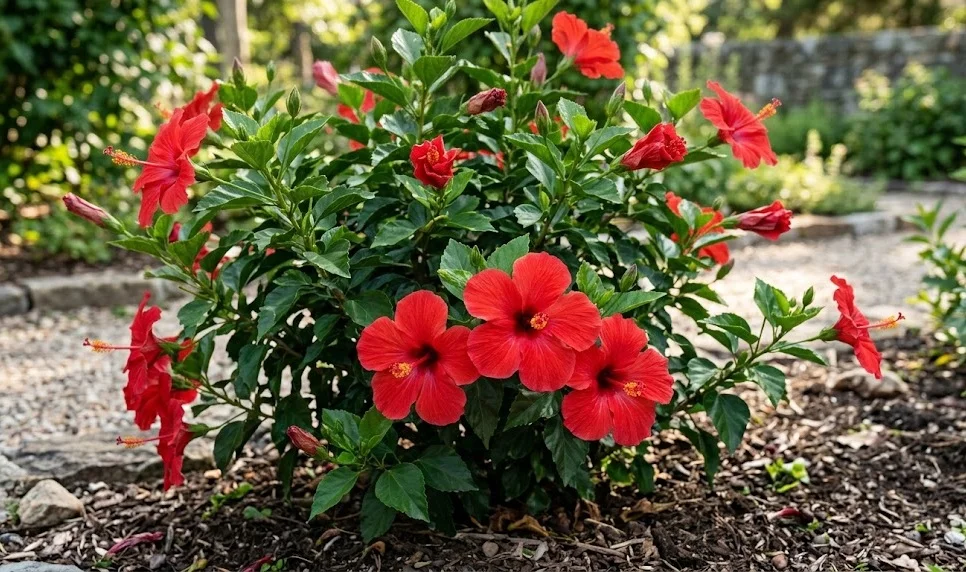

The twin pillars of Chinese hibiscus maintenance are consistent watering and a strategic fertilization program that supports its demanding metabolic needs. Because these plants grow rapidly and produce heavy, nutrient-intensive blooms, they require more frequent attention than many other ornamental shrubs. Balancing the moisture levels in the soil while providing a steady supply of essential minerals is the key to achieving professional results. This article explores the intricate details of hydration and nutrition required to maintain a healthy and vibrant hibiscus throughout the year.
Establishing a watering routine
Determining the correct amount of water for a Chinese hibiscus requires a combination of regular monitoring and an understanding of environmental variables. During the peak of the summer, these plants can consume a surprising amount of water, often requiring daily attention if they are grown in containers. You should always check the soil moisture manually by inserting a finger about two centimeters into the surface before adding more water. If the soil feels damp, it is best to wait, but if it feels dry, a thorough soaking is immediately necessary.
The quality of the water you use can have a long-term impact on the health of the plant and the chemistry of the soil. Ideally, you should use rainwater or filtered water, as municipal tap water can sometimes contain high levels of chlorine or minerals that lead to salt buildup. If you must use tap water, letting it sit in an open container for twenty-four hours can help some of the chemicals dissipate. Cold water can shock the tropical root system, so it is always better to use water that is at room temperature.
Under-watering is a common stressor that can lead to immediate physical symptoms such as drooping leaves and the abortion of developing flower buds. If a hibiscus is allowed to wilt severely, the delicate root hairs can be damaged, making it harder for the plant to recover even after water is applied. You should strive for “consistent dampness” rather than a cycle of extreme drought and heavy flooding. A well-watered hibiscus will have turgid, upright leaves and a vibrant green color that indicates the vascular system is functioning at full capacity.
Over-watering is equally dangerous and is a leading cause of root rot in both indoor and outdoor specimens. When the soil remains saturated for too long, oxygen cannot reach the roots, leading to the death of the tissue and the growth of harmful fungi. Signs of over-watering include yellowing leaves that fall off while still feeling somewhat firm, as well as a general lack of vigor. Ensuring that your pots have excellent drainage and that the soil mix is porous will help prevent these moisture-related issues from occurring.
More articles on this topic
Optimizing fertilization for blooms
To sustain the production of its famous large flowers, the Chinese hibiscus needs a consistent supply of nutrients throughout the active growing season. Unlike many other plants, the hibiscus is a “heavy feeder” that benefits from regular applications of a specialized fertilizer. You should look for a product that is specifically formulated for tropical hibiscus, which typically has a unique ratio of primary nutrients. A balanced approach ensures that the plant has the energy required for both foliage growth and the complex process of bud formation.
The ratio of nitrogen, phosphorus, and potassium (N-P-K) is critical when choosing a fertilizer for this specific species. High-phosphorus fertilizers, often marketed as “bloom boosters” for other plants, can actually be detrimental to the Chinese hibiscus over time. Excessive phosphorus can accumulate in the soil and eventually become toxic to the plant, interfering with the uptake of other minerals. A ratio such as 12-4-18 or 10-4-12 is often recommended by experts to provide the high potassium levels the plant truly craves.
Potassium is the most important element for the hibiscus, as it plays a central role in water regulation and the structural integrity of the flowers. It helps the plant resist disease and cope with environmental stressors like heat and occasional dry spells. Nitrogen is also necessary to maintain the lush, dark green foliage that provides the backdrop for the colorful blooms. By choosing a fertilizer with a low middle number (phosphorus) and a high third number (potassium), you are following the best practices for professional hibiscus care.
You should apply fertilizer regularly but at a lower concentration to provide a steady stream of nutrients rather than a single overwhelming dose. During the spring and summer, a liquid fertilizer applied every two weeks is usually sufficient for container plants. If you prefer using granular slow-release fertilizers, follow the manufacturer’s instructions but ensure the granules are spread evenly across the soil surface. Always water the plant thoroughly before and after fertilizing to help the nutrients reach the roots and to prevent chemical burn.
More articles on this topic
Managing micronutrient requirements
Beyond the primary N-P-K nutrients, the Chinese hibiscus requires several micronutrients to function at its peak biological level. Magnesium and iron are two of the most important secondary elements, as they are directly involved in the production of chlorophyll. If these minerals are lacking, the plant will display signs of interveinal chlorosis, where the leaves turn yellow but the veins remain dark green. This condition not only makes the plant look sickly but also reduces its ability to produce energy through photosynthesis.
Magnesium deficiency can be easily corrected by applying Epsom salts (magnesium sulfate) to the soil once or twice a year. You can dissolve a tablespoon of Epsom salts in four liters of water and use it as a regular watering treatment for the plant. This simple and inexpensive supplement often results in a noticeable deepening of the green color in the foliage within just a few weeks. It is a common practice among professional growers to include this as part of a comprehensive maintenance routine.
Iron is also essential, but its availability to the plant is highly dependent on the pH level of the growing medium. In alkaline soils, iron becomes chemically “locked” and cannot be absorbed by the hibiscus roots, regardless of how much is present. If you suspect an iron deficiency, you should first check the soil pH and adjust it toward the acidic side if necessary. Using chelated iron supplements is the most effective way to provide this mineral in a form that the plant can readily use even if the soil conditions are not perfect.
Trace elements like manganese, zinc, and boron are also needed in minute quantities for various enzymatic processes within the plant. Most high-quality commercial fertilizers intended for tropicals will already include these trace elements in their formulation. If you are using a basic garden fertilizer, you may need to supplement with a liquid micronutrient spray applied directly to the leaves. This “foliar feeding” allows the plant to absorb the minerals quickly and can be a great way to provide a health boost during the height of the flowering season.
Seasonal adjustments to feeding
Your fertilization strategy must change as the plant moves through its different growth stages and the seasons of the year. In the early spring, as the plant wakes up from its winter rest, you should begin with a half-strength dose to gently stimulate new growth. As the days lengthen and the temperature rises, you can gradually increase both the frequency and the strength of the applications. This mirrors the plant’s increasing metabolic rate as it prepares for the high-energy demands of summer blooming.
During the peak of the summer, when the hibiscus is producing the most flowers, it is at its hungriest for both water and nutrients. This is the time when you should be most diligent with your feeding schedule to prevent any interruptions in the blooming cycle. If you notice the flowers getting smaller or the foliage becoming pale, it may be a sign that the plant has exhausted the available nutrients in its pot. Providing a consistent supply of potassium during this time will ensure the blossoms remain large and the colors stay vivid.
In late summer and early autumn, you should begin to taper off the fertilizer as the plant’s growth naturally starts to slow down. Continuing to feed heavily during this transition can encourage soft, lush growth that will be easily damaged by the cooler temperatures of the coming winter. By reducing the nitrogen levels in particular, you allow the plant to focus on strengthening its existing tissues rather than producing new ones. This hardening-off process is a vital part of preparing the hibiscus for the challenges of the dormant season.
During the winter months, you should stop fertilizing the Chinese hibiscus entirely, especially if it is being kept in a cool location for overwintering. Because the plant is not actively growing or flowering, it cannot use the added nutrients, which will simply sit in the soil and potentially harm the roots. Over-fertilizing during the winter can lead to a toxic buildup of salts that can burn the roots and cause the plant to decline. Wait until the first signs of new green growth appear in the spring before you resume your nutritional program.
Techniques for application and safety
The way you apply water and fertilizer is just as important as the products you choose to use. When watering, you should always aim the stream at the base of the plant rather than splashing the foliage or the flowers. Wet leaves can encourage the development of fungal diseases, and water on the blossoms can cause them to rot or spot prematurely. Using a watering can with a long spout or a gentle drip system is the most professional way to ensure the moisture goes exactly where it is needed.
When applying liquid fertilizers, it is a best practice to ensure the soil is already slightly moist before you begin. Applying chemical fertilizers to bone-dry soil can cause “root burn,” where the concentrated minerals damage the sensitive outer layer of the roots. By watering lightly first, you create a buffer that allows the fertilizer to distribute more evenly and safely throughout the root zone. This simple precaution can save your plant from significant stress and potential long-term damage.
For outdoor hibiscus planted in the ground, you should apply granular fertilizers in a wide circle around the base of the plant, often referred to as the “drip line.” This is the area directly beneath the outer edge of the canopy where the most active feeder roots are located. Avoid piling fertilizer against the main trunk, as the concentrated chemicals can irritate the bark and create an entry point for pests. Gently scratching the granules into the top centimeter of soil will help prevent them from washing away during a heavy rain.
Finally, always remember that less is often more when it comes to chemical fertilizers for tropical plants. It is much easier to add more nutrients later than it is to remove them from the soil once they have been applied. If you are unsure about the correct dosage, it is always safer to use a more diluted solution and observe the plant’s reaction over several days. A healthy hibiscus should have dark, glossy leaves and steady growth; if you see any signs of leaf burn or sudden wilting, flush the soil with clear water immediately to remove excess salts.