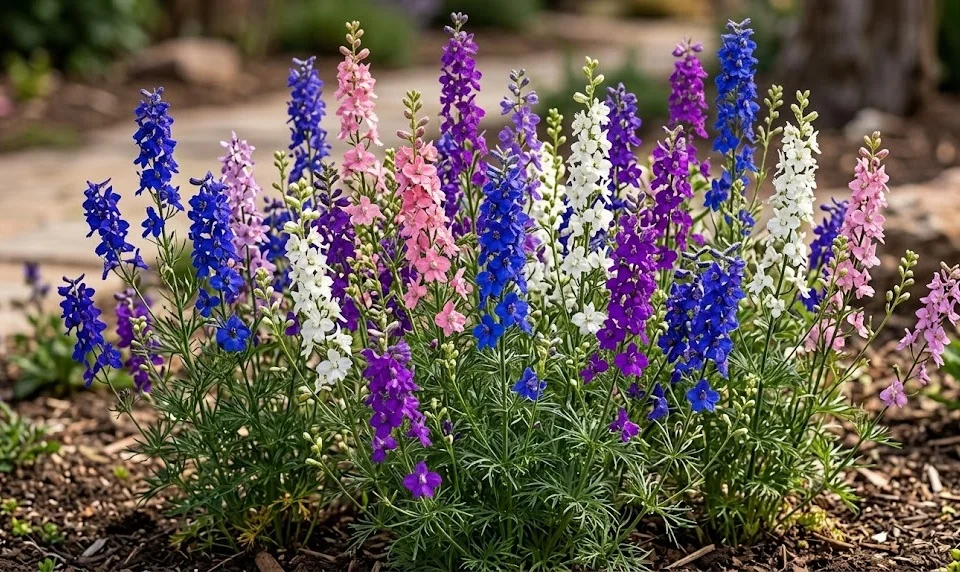

The process of planting and propagating garden larkspur is a foundational skill for any enthusiast looking to fill their landscape with vertical elegance. These plants are best known for their ease of growth from seed, making them a cost-effective choice for large-scale floral displays. Unlike many perennials that require complex nursery care, larkspur thrives when given a direct and simple start in the garden. Mastering the timing and technique of sowing will ensure a robust population that returns with vigor each season.
Seed selection and preparation
The journey to a successful larkspur patch begins with selecting high-quality seeds from a reputable source. Professional gardeners often look for seeds that have been harvested in the most recent growing season to ensure maximum germination rates. You can choose from a wide variety of cultivars, ranging from dwarf types suitable for containers to towering giants that reach four feet in height. Understanding the specific growth habits of your chosen variety will help you determine the best planting location within your garden layout.
Larkspur seeds have a unique physiological requirement known as cold stratification to break their dormancy. In nature, these seeds spend the winter in the cold ground, which triggers the biological process necessary for sprouting in the spring. If you are starting seeds indoors or live in a very mild climate, you can mimic this by placing the seed packets in the refrigerator for two weeks before sowing. This simple step significantly increases the uniformity and speed of germination once the seeds are placed in the soil.
The physical preparation of the seeds can also involve a brief soaking period to soften the outer seed coat. While not strictly necessary for all varieties, soaking the seeds in room temperature water for a few hours can give them a head start. Be careful not to leave them in water for too long, as this can lead to oxygen deprivation and rot. Once prepared, the seeds should be handled gently to avoid damaging the delicate internal structures that will eventually become the first roots and leaves.
When planning your propagation, consider the color palette you wish to achieve in your garden. Some gardeners prefer to buy mixed packets for a spontaneous cottage-garden look, while others buy single-color seeds for a more structured design. Keep in mind that seeds saved from your own plants may not always “come true” to the parent color, especially if different varieties were growing close together. This genetic variability can lead to surprising and beautiful new color combinations in subsequent years.
More articles on this topic
Sowing techniques and timing
The timing of sowing is critical because garden larkspur is a cool-season annual that dislikes the stress of transplanting. For the best results, seeds should be sown directly into the garden soil either in late autumn or very early spring. Autumn sowing allows the seeds to undergo natural stratification and develop a strong root system during the winter months, leading to earlier and larger blooms. Spring sowing should be done as soon as the soil can be worked, even if there is still a risk of light frost.
Preparing the seedbed involves clearing away any existing weeds and loosening the top few inches of soil with a rake. The soil should be moist but not waterlogged, as excess moisture can cause the seeds to rot before they have a chance to sprout. Larkspur seeds require darkness to germinate, so they must be covered with about a quarter-inch of fine soil or vermiculite. Gently firm the soil over the seeds to ensure good contact, which is essential for the movement of water into the seed.
Spacing is another important factor to consider during the sowing process to prevent overcrowding later on. A professional approach is to sow the seeds in rows or small clusters, allowing about six to ten inches between individual plants. If you are aiming for a massed effect, you can broadcast the seeds over a larger area and سپس thin the seedlings once they have developed their first true leaves. Proper spacing ensures that each plant has enough light and air circulation to grow strong and resist diseases.
Consistent moisture is vital during the germination period, which usually takes between fourteen and twenty-one days depending on the temperature. Use a fine mist setting on your garden hose to avoid washing away the seeds or compacting the soil surface. Once the seedlings emerge, they are quite hardy but still require protection from heavy downpours or extreme temperature fluctuations. Monitoring the site daily will allow you to react quickly to any environmental challenges that may arise during this vulnerable stage.
More articles on this topic
Transplanting and nursery care
While direct sowing is the preferred method, some gardeners choose to start larkspur seeds in individual pots to get an even earlier start on the season. If you choose this route, it is essential to use biodegradable peat or paper pots that can be planted directly into the ground. Larkspur develops a long taproot very quickly, and any disturbance to this root during transplanting can cause the plant to wilt or die. By using compostable pots, you minimize root shock and ensure a smoother transition to the garden bed.
The environment for nursery-grown larkspur should be kept relatively cool to prevent the seedlings from becoming leggy and weak. A bright windowsill or a dedicated grow light setup is necessary to provide the intense light these plants crave from a young age. Avoid keeping the seedlings in an overly warm room, as this can lead to soft growth that will struggle once moved outdoors. Gradually hardening off the plants by exposing them to outdoor conditions for increasing periods is a mandatory professional step.
When it’s time to move the seedlings to their permanent home, choose a cloudy day or late afternoon to reduce transplant stress. Dig a hole slightly larger than the pot and place it in the ground so the soil levels match perfectly. Firm the surrounding earth gently around the base of the plant and water it in immediately to settle the soil and eliminate air pockets. Even with the best care, transplanted larkspur may take a week or two to resume active growth as they adjust to their new surroundings.
After transplanting, keep a close eye on the moisture levels in the new area to ensure the young roots can establish themselves. The first few weeks are the most critical, as the plants are still building the infrastructure needed to support their future flower spikes. Providing a very diluted liquid fertilizer can help boost growth, but be careful not to over-fertilize at this early stage. Success with transplanting requires a delicate touch and a deep understanding of the plant’s physiological needs.
Natural self-seeding and long-term propagation
One of the most charming characteristics of garden larkspur is its ability to self-sow naturally, creating a permanent colony in your garden. If you allow the flower spikes to mature and produce seed pods, they will eventually burst and scatter their seeds across the soil. This process mimics the natural life cycle of the plant and often results in the healthiest and most vigorous specimens. Many gardeners find that self-sown larkspur is more resilient to local weather conditions and pests than nursery-bought seeds.
To encourage natural propagation, you should avoid heavy mulching or frequent hoeing in areas where you want the larkspur to return. The seeds need to make direct contact with the soil to germinate successfully in the following season. In the spring, you will likely see dozens of tiny, deeply lobed seedlings emerging in the areas where the parent plants stood. These can be left where they are or carefully moved to other parts of the garden while they are still very small.
Managing a self-sowing population requires a bit of “selective weeding” to ensure the garden doesn’t become overcrowded. You can choose to pull out the seedlings that are growing in the paths or too close to other prized perennials. This allows you to maintain the structure of your garden while still benefiting from the ease of naturalized annuals. It is also a good idea to leave the strongest and most beautifully colored plants to go to seed, effectively performing your own localized plant breeding.
Over several years, a self-propagating patch of larkspur becomes a signature feature of the landscape with very little effort from the gardener. You might notice subtle shifts in the colors or heights of the plants as they adapt to the specific microclimate of your yard. This dynamic nature is part of the joy of gardening with annuals that have a strong “sense of place.” By working with the plant’s natural tendencies, you can enjoy a professional-quality floral display that evolves and improves every year.

