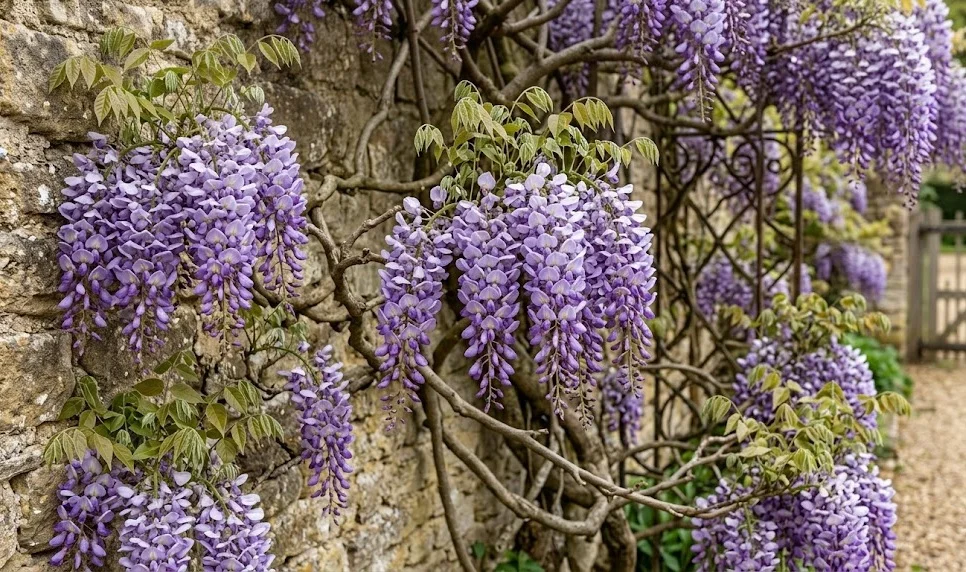

Protecting a magnificent climbing vine from the various biological threats it faces is a continuous task for any dedicated gardener or agricultural professional. While these plants are fundamentally robust, they are not immune to the pressures of fungal infections, viral diseases, and destructive insect populations. Early identification and a proactive management strategy are the best defenses against significant damage to the plant’s structure and its aesthetic value. Maintaining a high level of garden hygiene and monitoring the vine’s health throughout the year will ensure that any issues are caught before they become unmanageable.
Fungal diseases are among the most common problems encountered, especially in regions with high humidity or frequent rainfall. Powdery mildew often appears as a white, dusty coating on the leaves, which can eventually lead to distorted growth and premature leaf drop. Leaf spot and various forms of rust can also affect the foliage, reducing the plant’s ability to photosynthesize effectively. Proper air circulation and avoiding overhead watering are simple but effective ways to reduce the prevalence of these fungal pathogens.
Viral infections, though less common than fungal issues, can be far more devastating because there are no effective chemical cures for them. Symptoms such as mottled leaf patterns, stunted growth, and distorted flowers can indicate the presence of a virus within the plant’s vascular system. These diseases are often spread by sap-sucking insects or through the use of contaminated pruning tools. If a viral infection is confirmed, the best course of action is usually to remove and destroy the affected plant material to prevent further spread.
Insect pests can range from minor nuisances to serious threats that can compromise the structural integrity of the vine. Aphids and scale insects are frequent visitors that feed on the plant’s sap, weakening it and potentially spreading diseases. More destructive are the various types of borers that tunnel into the woody stems, causing dieback and making the vine susceptible to breakage. Vigilant scouting and the use of integrated pest management techniques allow for effective control while minimizing the impact on beneficial insects.
Maintaining the overall vigor of the plant is the most effective long-term strategy for preventing disease and pest infestations. A healthy vine that receives adequate water, sunlight, and balanced nutrition is much better equipped to naturally resist and recover from biological stress. Avoiding physical damage to the trunk and main branches is also important, as wounds provide easy entry points for pathogens and pests. By treating the vine as a living system rather than just an ornamental feature, the gardener can foster a resilient and thriving environment.
More articles on this topic
Fungal diseases and their management
Managing fungal infections requires a combination of cultural practices and, when necessary, targeted treatments to keep the vine looking its best. Powdery mildew is particularly prevalent during the warm days and cool nights of late summer and early autumn. Thinning out the canopy to improve light penetration and airflow can significantly reduce the conditions that favor this fungus. If the infection is severe, applications of neem oil or potassium bicarbonate can provide effective control without the use of harsh synthetic chemicals.
Root rot is a more serious fungal condition that typically arises in poorly drained soils or as a result of consistent over-watering. This disease attacks the root system, causing it to turn black and mushy, which prevents the plant from taking up water and nutrients. Symptoms above ground include wilting, yellowing leaves, and a general lack of vigor that does not respond to watering. Improving the soil drainage and adjusting the irrigation schedule are the primary ways to prevent and manage this potentially fatal condition.
Botrytis, or gray mold, can affect the delicate flower clusters, especially during periods of wet and overcast weather in the spring. This fungus causes the blossoms to turn brown and decay, often covering them in a fuzzy gray growth that is easily identified. Promptly removing any spent or infected flowers helps to limit the spread of the spores to other parts of the vine and nearby plants. Ensuring that the vine is not overcrowded and has plenty of space to dry out after rain will also help prevent botrytis outbreaks.
Canker-forming fungi can attack the woody stems, creating sunken, discolored areas that eventually girdle and kill the branch. These infections often start at the site of a pruning cut or where the bark has been damaged by cold temperatures or mechanical injury. When a canker is identified, the affected branch should be pruned back to healthy wood well below the site of the infection. Sterilizing pruning tools between cuts is essential to avoid spreading the fungus to other parts of the vine or to different plants in the garden.
More articles on this topic
Common insect pests and control methods
Sap-sucking insects like aphids and mealybugs can quickly colonize the succulent new growth and the undersides of leaves. These pests produce a sticky substance called honeydew, which can attract ants and provide a medium for the growth of sooty mold. A strong blast of water from a garden hose is often enough to dislodge these insects and keep their populations in check. For more persistent infestations, insecticidal soaps or horticultural oils can be used to coat the insects and prevent them from feeding.
Scale insects are another common problem, appearing as small, waxy bumps on the stems and leaves that can be easily mistaken for part of the plant. Because they are protected by a hard shell, they can be difficult to control once they reach maturity and become stationary. The best time to treat scale is during their “crawler” stage in the spring when the young insects are mobile and vulnerable. Applying horticultural oil during the dormant season can also help to smother the overwintering adults and eggs.
The wisteria borer is a particularly destructive pest that can cause significant limb dieback and even the death of the entire plant. The larvae of these beetles tunnel into the heartwood, disrupting the flow of water and nutrients and weakening the structural stability of the vine. Signs of borer activity include small exit holes in the bark and the presence of sawdust-like material, known as frass, at the base of the plant. Managing borers is difficult and often involves removing and destroying infested wood to prevent the beetles from completing their life cycle.
Spider mites can become a problem during hot, dry weather, causing the leaves to look stippled, yellowed, and dusty. These tiny arachnids are often found on the undersides of the leaves and can produce fine webbing when their populations are high. Keeping the vine well-hydrated and occasionally misting the foliage with water can create an environment that is less hospitable to these pests. If chemical control is necessary, select a product specifically labeled for mites to avoid killing off the beneficial predatory insects that naturally keep them in check.
Integrated pest management strategies
Adopting an integrated pest management (IPM) approach involves using a variety of tools and techniques to manage pest populations in an environmentally responsible way. This strategy begins with regular monitoring and the setting of action thresholds to determine when intervention is truly necessary. By understanding the life cycles of both the pests and their natural enemies, the gardener can time their actions for maximum effectiveness. IPM prioritizes non-chemical methods, such as mechanical removal and the enhancement of biological controls, over the use of broad-spectrum pesticides.
Encouraging beneficial insects, such as ladybugs, lacewings, and parasitic wasps, is a cornerstone of any sustainable pest management plan. These natural predators can provide significant control of aphids, scales, and other common pests without any input from the gardener. Planting a variety of flowering herbs and native plants nearby can provide the nectar and habitat needed to attract and support these helpful insects. Creating a diverse garden ecosystem reduces the likelihood of any one pest becoming a major problem for the vine.
Physical barriers and mechanical controls can also be used to protect the vine from certain types of pests. For example, sticky bands applied to the trunk can prevent ants from climbing the plant and protecting aphid colonies from their natural predators. Hand-picking larger pests like beetles or caterpillars is a simple and effective way to manage small infestations before they grow. Using horticultural fleece to cover young plants during peak pest activity periods can also provide a physical shield against egg-laying insects.
Proper sanitation is a critical component of disease and pest prevention that is often overlooked by casual gardeners. Removing fallen leaves, spent flowers, and dead wood eliminates the hiding places and overwintering sites for many pathogens and insects. This debris should be composted properly or removed from the site entirely if it is known to be infested or diseased. Keeping the area around the base of the vine clean and well-mulched also helps to maintain a healthy root environment and reduces stress on the plant.
Prevention strategies and garden hygiene
The importance of using clean, sharp tools for all pruning and maintenance work cannot be overstated when it comes to preventing disease transmission. Pathogens can easily be carried from an infected plant to a healthy one on the blades of shears or saws. Wiping the tools with a solution of isopropyl alcohol or a mild bleach solution between plants, and even between cuts on the same plant, is a best practice. This simple habit can stop the spread of many bacterial and viral diseases that would otherwise decimate a garden.
Choosing disease-resistant cultivars is another proactive way to reduce the need for intensive management and chemical treatments. While most traditional varieties are susceptible to common issues, some newer selections have been bred for better resistance to specific fungal pathogens. When purchasing a new vine, ask your local nursery for recommendations based on the common disease pressures in your specific region. Investing in a strong and resilient plant from the start will save a lot of time and effort in the years to come.
Proper spacing and placement in the landscape can also prevent many disease problems by ensuring the plant has what it needs to thrive. Overcrowding vines leads to poor air circulation and increased humidity, which are the primary drivers of fungal outbreaks. Ensuring that the vine is planted in a location that receives ample sunlight will also help keep the foliage dry and stimulate the plant’s natural defenses. A well-placed vine is a happy vine, and a happy vine is much more likely to remain healthy and productive.
Regular inspections and a “watchful eye” are the ultimate tools for any gardener wishing to maintain a disease-free landscape. Spending time with the plant and noticing subtle changes in its appearance allows for early intervention when problems are still small and easily managed. Keeping a garden journal can help track the timing of certain pests or the occurrence of specific diseases, allowing for better preparation in future years. Ultimately, the success of the vine is a reflection of the care and attention provided by its steward throughout its long life.