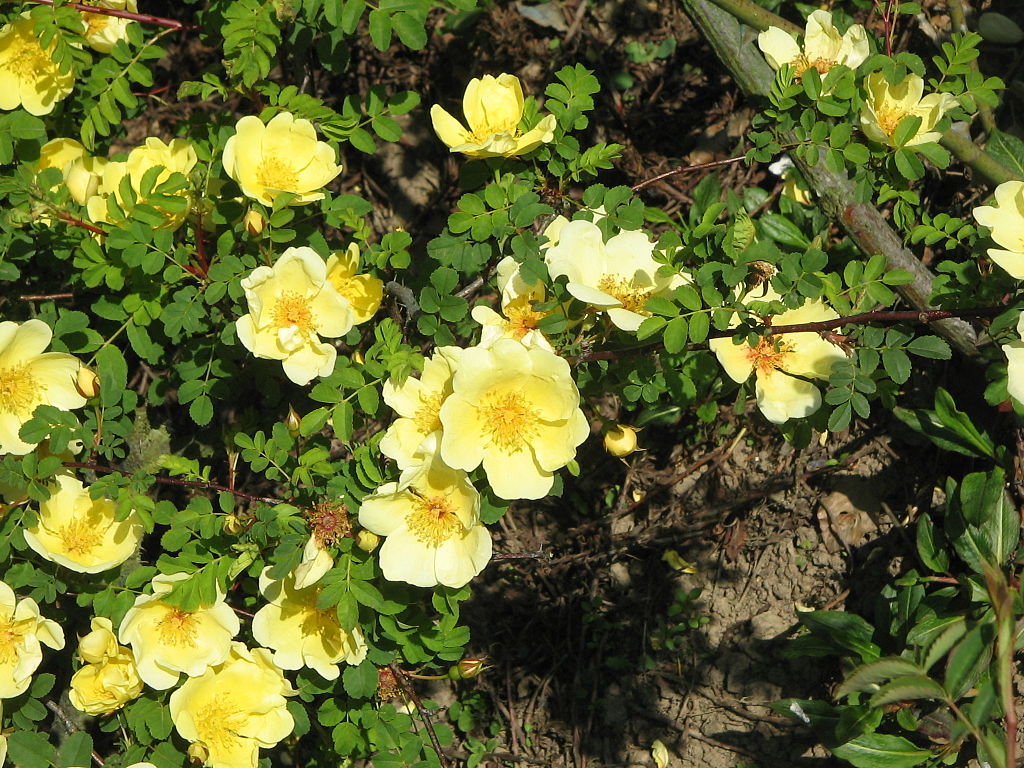

Providing the right balance of water and nutrients is fundamental to cultivating a vibrant and healthy golden rose. These two elements are the lifeblood of the plant, directly influencing everything from the lushness of its foliage to the spectacular abundance of its spring blooms. Proper watering ensures the plant remains hydrated and that vital nutrients can be transported throughout its system, while a well-timed and balanced fertilizing regimen supplies the essential building blocks for vigorous growth. Mastering the art of watering and fertilizing involves understanding the plant’s seasonal needs and responding to environmental cues. This attention to detail will reward the gardener with a robust shrub that not only survives but truly thrives, showcasing the full glory of its golden flowers.
The principles of effective watering
Water is essential for the golden rose’s survival, playing a critical role in photosynthesis, nutrient transport, and temperature regulation. The core principle of effective watering is to provide deep, thorough soakings rather than frequent, shallow sprinklings. Deep watering encourages the rose’s roots to grow further down into the soil, where they are better protected from surface heat and drought conditions. This creates a more resilient and self-sufficient plant in the long run. A good guideline during the growing season is to ensure the plant receives the equivalent of about one inch of water per week, either from rainfall or supplemental irrigation.
The frequency of watering will depend heavily on several factors, including soil type, climate, and the age of the plant. Sandy soils drain quickly and will require more frequent watering than heavy clay soils, which retain moisture for longer periods. Similarly, roses grown in hot, windy climates will lose moisture more rapidly and need more water than those in cooler, more humid regions. Newly planted roses require more consistent watering for their first year as their root systems become established. The best approach is to check the soil moisture regularly; when the top two to three inches feel dry to the touch, it is time to water again.
The method of application is just as important as the frequency. It is crucial to apply water directly to the soil at the base of the plant, avoiding the foliage as much as possible. Wet leaves, especially when they remain damp for extended periods, create the perfect environment for fungal diseases like black spot and powdery mildew to develop and spread. Using a soaker hose, drip irrigation system, or a watering wand to deliver water to the root zone is far superior to using an overhead sprinkler. This targeted approach also minimizes water loss due to evaporation.
Timing is another key component of a good watering strategy. The ideal time to water the golden rose is in the early morning. This gives the plant ample time to absorb the moisture before the heat of the day sets in and reduces water loss through evaporation. It also ensures that if any water does splash onto the leaves, the morning sun will quickly dry it, minimizing the risk of disease. Watering in the middle of a hot day is inefficient, and watering in the evening can leave the foliage wet overnight, which significantly increases the risk of fungal problems.
More articles on this topic
Understanding the plant’s water needs
The water requirements of the golden rose are not static; they fluctuate throughout the seasons in response to the plant’s growth cycle. In the spring, as the plant breaks dormancy and begins to produce new leaves and buds, its demand for water increases significantly. Consistent moisture during this period is vital for supporting this rapid growth and ensuring a profuse floral display. If rainfall is insufficient, supplemental watering should begin as the soil starts to dry out, ensuring the developing buds are well-hydrated.
During the peak of summer, especially in periods of heat and drought, the plant’s water needs are at their highest. The heat increases the rate of transpiration, the process by which plants release water vapor from their leaves, so the soil will dry out more quickly. During these times, it is essential to monitor the plant and the soil closely and provide deep soakings as needed. A three to four-inch layer of organic mulch around the base of the shrub can be incredibly beneficial, as it helps to conserve soil moisture, keeps the roots cool, and suppresses weed competition.
As autumn approaches, the plant’s growth begins to slow down as it prepares for winter dormancy. Correspondingly, its water requirements decrease. It is important to gradually reduce the frequency of supplemental watering during this time. Allowing the soil to be slightly drier helps to signal to the plant that it is time to stop producing new, tender growth that would be susceptible to frost damage. However, you should not let the plant become completely dehydrated; it should enter winter well-hydrated, so a deep watering may be necessary after the leaves have dropped if the autumn has been particularly dry.
During the winter months, a dormant golden rose requires very little water. In most climates, natural precipitation is sufficient. The primary concern in winter is not dehydration but rather the potential for root damage caused by waterlogged, frozen soil. This is why well-drained soil is so critical for the long-term health of the rose. For roses grown in containers, a very light watering every few weeks may be necessary if they are stored in a protected, dry location, but the soil should never be allowed to become saturated.
The role of fertilizer in plant health
Fertilizer provides the essential mineral nutrients that the golden rose needs to grow strong, produce vibrant flowers, and resist pests and diseases. The three primary macronutrients are nitrogen (N), phosphorus (P), and potassium (K). Nitrogen is crucial for lush, green foliage growth. Phosphorus plays a key role in the development of a strong root system and the production of flowers. Potassium contributes to the overall vigor and hardiness of the plant, helping it to withstand stress from drought, disease, and cold.
In addition to the primary macronutrients, roses also require a range of secondary nutrients and micronutrients, such as calcium, magnesium, sulfur, iron, and manganese. While these are needed in smaller quantities, a deficiency can still lead to poor plant health. Using a balanced fertilizer specifically formulated for roses is often the best choice, as these products are designed to provide the appropriate ratio of all necessary nutrients. Alternatively, relying on organic amendments like compost and well-rotted manure can also provide a broad spectrum of nutrients in a slow-release form.
The physical form of the fertilizer is also a consideration. Granular fertilizers are applied to the soil surface and release their nutrients slowly over time as they are watered in. This provides a steady supply of food to the plant. Liquid or water-soluble fertilizers are mixed with water and applied to the root zone, offering a more immediate nutrient boost. These are useful for giving a quick feed to plants that are showing signs of deficiency but need to be applied more frequently than granular types. For a long-lived shrub like the golden rose, a slow-release granular product is generally the most practical choice for its main seasonal feeding.
It is important to recognize that fertilizer is not a cure-all for a struggling plant. If a rose is suffering due to poor planting location, inadequate sunlight, or improper watering, adding more fertilizer will not solve the underlying problem and may even cause additional stress. Healthy soil is the true foundation of plant nutrition. Regularly incorporating organic matter into the soil improves its structure and fertility, and fosters a healthy population of microorganisms that help make nutrients available to the plant’s roots.
Creating a feeding schedule
A strategic feeding schedule ensures that the golden rose receives nutrients when it needs them most. The primary application of fertilizer should occur in the early spring, just as the plant begins to break dormancy and new growth appears. This initial feeding provides the energy needed to support the development of strong canes, healthy leaves, and a magnificent flush of flowers. A balanced, slow-release granular rose food is ideal for this application. Simply sprinkle the recommended amount around the base of the shrub, extending out to the dripline (the area under the outermost branches), and gently work it into the top inch of soil before watering it in thoroughly.
Some gardeners advocate for a second, lighter feeding after the main spring flowering period has ended. This application helps the plant to replenish the energy it expended on producing such a massive display of blooms and supports healthy foliage growth throughout the summer. If you choose to do a second feeding, use about half the amount of fertilizer that was applied in the spring. This can be particularly beneficial for younger plants or those growing in less fertile soil.
It is crucial to cease all fertilization by late summer, typically around early to mid-August in most temperate climates. Applying fertilizer late in the season can stimulate a flush of new, tender growth. This new growth will not have sufficient time to harden off before the first frosts of autumn arrive, making it highly susceptible to winter damage. Allowing the plant to slow its growth naturally in late summer and autumn is a key part of its preparation for dormancy and successful overwintering.
Organic feeding methods can be integrated into this schedule as well. An annual top-dressing of well-rotted compost or manure applied in the spring serves as an excellent slow-release fertilizer and soil conditioner. This single application can often provide all the nutrients the golden rose needs for the entire season, especially in already fertile soil. Liquid organic feeds, such as compost tea or seaweed extract, can be used as a supplemental boost during the growing season if the plant appears to need it, providing a gentle and effective source of nutrients.
Common mistakes to avoid
When it comes to watering and fertilizing, there are several common mistakes that can inadvertently harm the golden rose. Perhaps the most frequent error is over-watering. Roses do not like to have “wet feet,” and constantly saturated soil can lead to root rot, a serious condition that deprives the roots of oxygen and can kill the plant. It is always better to water deeply and allow the soil to partially dry out between waterings rather than providing a little bit of water every day. This is why checking the soil moisture before watering is such a vital habit.
Another common mistake is fertilizing a dry plant. Fertilizer should always be applied to moist soil. Applying it to dry soil can result in the chemical salts in the fertilizer drawing moisture out of the plant’s roots, effectively “burning” them and causing significant damage. To avoid this, either fertilize after a good rain or water the plant thoroughly the day before you plan to apply any granular or liquid feed. This ensures the roots are hydrated and ready to absorb the nutrients safely.
Over-fertilizing is also a significant problem. While it may be tempting to think that more food will result in more flowers, excessive fertilizer can be toxic to the plant. It can lead to a buildup of salts in the soil, burn the roots, and cause weak, spindly growth that is more attractive to pests like aphids. Always adhere to the application rates specified on the product packaging. When in doubt, it is always safer to use a little less fertilizer than a little more. A well-prepared soil with plenty of organic matter will reduce the plant’s reliance on supplemental fertilizers.
Finally, neglecting the connection between watering and fertilizing is a frequent oversight. Water is the vehicle that carries nutrients from the soil into the plant’s roots. If a plant is not watered adequately after fertilizer has been applied, the nutrients will simply sit in the soil and be unavailable to the plant. Therefore, always remember to water thoroughly after each fertilizer application to activate the product and begin the process of moving the nutrients into the root zone where they can be effectively utilized by the golden rose.
The watering regimen for the Golden Rose is especially important during its first two years in the garden. While established plants are quite drought-tolerant, young roses need consistent moisture to develop a deep and resilient root system. I’ve found that a deep soaking once a week is far better than a light sprinkling every day. This encourages the roots to grow downwards in search of water, which makes the plant much more stable in the long run. I also make sure to water at the base of the plant to keep the foliage as dry as possible. This is a simple but effective way to prevent the development of black spot and other fungal diseases.
That deep watering advice is spot on, Sarah; it’s the foundation of a healthy rose garden. I would also add that the best time to fertilize Rosa xanthina is in early spring, just as the new growth begins. I use a balanced granular fertilizer that is specifically formulated for roses, as it contains the right ratio of nitrogen, phosphorus, and potassium. I also like to add a handful of Epsom salts around the base of the plant to provide extra magnesium, which helps with the production of chlorophyll and vibrant green leaves. Be careful not to over-fertilize, though, as this can lead to excessive foliage at the expense of those beautiful yellow flowers.
In my experience, the Golden Rose doesn’t need as much fertilizer as many of the modern hybrid tea roses. Because it is closer to a wild species, it is quite efficient at extracting nutrients from the soil. A single application of a slow-release fertilizer in March is usually all it needs for the entire season. I’ve actually seen plants that were over-fed become very leggy and prone to breaking in the wind. If your soil is already quite rich, you might even be able to skip the fertilizer altogether and just use a good layer of compost as a mulch. It’s always better to start with less and see how the plant responds.
I’ve definitely noticed that my Golden Rose is much less demanding than my other roses. I only fertilize mine every other year now, and it seems to be just as healthy and prolific as it was when I fed it annually. I do focus on the mulching, though, as that helps keep the soil moisture levels consistent. I use a mix of shredded bark and composted manure, which seems to provide a nice slow-release of nutrients over several months. It’s a much more sustainable and low-maintenance approach that works perfectly for this specific species.
One thing to watch out for is the timing of your last fertilizer application. I always make sure to stop all feeding by late July to ensure that the plant has time to harden off its new growth before the winter. If you fertilize too late in the season, you’ll encourage soft, lush growth that is very susceptible to frost damage. This can lead to significant die-back in the spring, which is obviously not what we want. It’s better to let the plant naturally slow down and prepare for dormancy as the days get shorter. This is a crucial part of the year-round care cycle for any woody shrub.
I’ve found that using a soaker hose is the most efficient way to water my Golden Rose during the dry summer months. It delivers the water exactly where it’s needed and minimizes evaporation. I usually leave it running for about an hour once a week, which seems to be perfect. I’ve noticed a big difference in the health of my rose since I switched to this method. It’s also much more convenient than standing out there with a hose myself! Thanks for the great advice on how to keep this beautiful plant well-hydrated.
As we head into the spring, I’m getting ready to apply my first round of fertilizer to my Golden Rose. I’ve chosen a high-quality organic rose food that I’ll gently work into the soil around the base of the plant. I’m also planning to refresh the mulch layer to help suppress weeds and retain moisture as the weather warms up. It’s always such an exciting time to see the first signs of new growth on this beautiful shrub. I can’t wait to see those stunning yellow flowers in a few months!