
The art of pruning and cutting back garden larkspur is a professional technique that can significantly enhance the appearance and longevity of your floral display. While these annuals have a naturally upright growth habit, a few well-timed interventions can encourage bushier plants and a more sustained blooming period. Understanding when and how to use your shears is the key to transforming a wild-looking patch into a structured and professional garden feature. By mastering these pruning methods, you can guide the development of your larkspur throughout its entire life cycle.
Early season pinching for structure
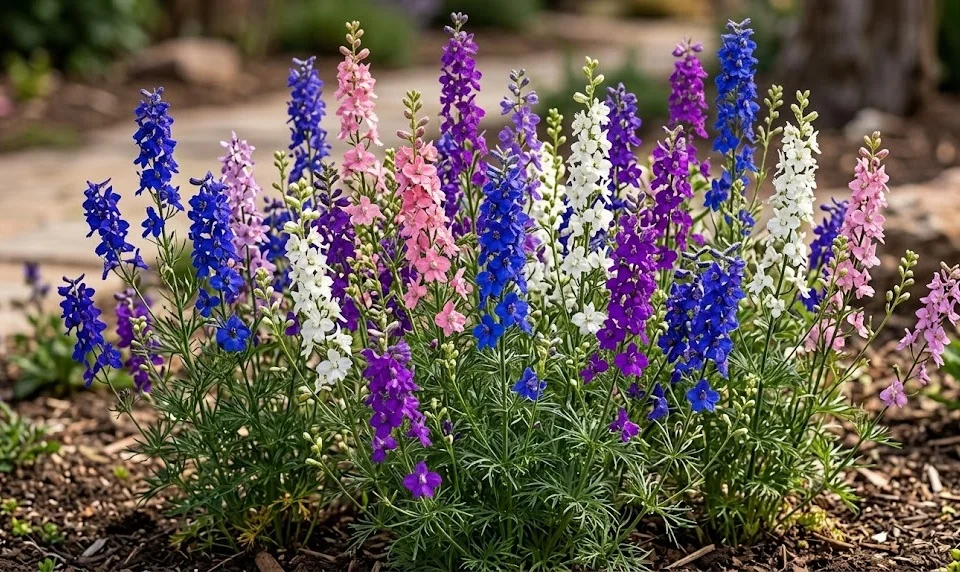
Pinching is a professional pruning technique used when the larkspur plants are still young and actively growing in the spring. By removing the very tip of the main stem when the plant is about six to eight inches tall, you stimulate the growth of lateral buds lower down on the stem. This results in a bushier, more branched plant with multiple flower spikes rather than just one single, central tower. While the individual spikes may be slightly smaller, the overall volume of flowers is often much greater, creating a fuller look in the border.
The timing of this early pinch is critical, as doing it too late can delay the onset of flowering and reduce the plant’s overall vigor. You should use your thumb and forefinger to cleanly snap off the growing tip, or use a small pair of sharp snips for more precision. This temporary pause in vertical growth allows the plant to build a stronger, more stable base, which can reduce the need for heavy staking later in the season. Not all gardeners choose to pinch, but it is a valuable tool for those who want a more dense and colorful display.
If you are growing larkspur specifically for tall, single-stemmed cut flowers, you may want to skip the pinching process altogether. Professional florists often prefer the dramatic impact of a single, massive spike, which is the plant’s natural tendency if left unpruned. In this case, your “pruning” efforts should focus on removing any small side shoots that appear, allowing the plant to direct all its energy into the primary flower head. Decisions about pruning should always be based on your specific goals for the garden and how you intend to use the flowers.
Observation is key during the weeks following the initial pinch to see how the plant responds to the treatment. You will notice new shoots emerging from the leaf axils, which will eventually become the secondary and tertiary flower spikes. Ensure the plant has adequate nutrients and water to support this additional growth, as branching requires more energy than growing a single stem. A professional gardener knows that pruning is a partnership with the plant, and providing the right support after a cut is essential for success.
More articles on this topic
Deadheading and post-bloom care
Deadheading, or the removal of spent flower spikes, is the most common form of pruning for garden larkspur during the summer months. Once the flowers on a spike have faded and begun to form seed pods, they should be cut back to a healthy set of leaves or a new lateral bud. This prevents the plant from putting its energy into seed production and instead encourages it to produce a second flush of smaller flowers. This simple task can extend the beauty of your larkspur bed by several weeks, keeping it looking fresh and intentional.
When deadheading, it is important to make clean cuts at a slight angle to prevent water from sitting on the cut surface, which can lead to rot. Use sharp, sterilized bypass pruners to ensure you don’t crush the delicate stem tissue as you work. In a professional garden, deadheading is often a weekly task, as catching the spikes just as they start to fade yields the best results. This constant attention ensures that the garden never looks “tired” or overgrown with drying brown pods.
For those who want to save seeds, you can choose to leave a few of the best-looking spikes on the plant until they are completely dry. However, the rest of the plant can still be deadheaded to maintain the aesthetic of the border. This “selective deadheading” allows you to balance the need for future plants with the desire for a beautiful current season. A professional tip is to mark the spikes you are saving for seed with a small piece of colored string so they aren’t accidentally removed during a routine cleanup.
After the main blooming period has ended, you might notice that the lower foliage of the larkspur begins to yellow or look unappealing. You can carefully prune away these older leaves to improve the appearance and increase air circulation around the base of the plant. This light “grooming” helps to prevent disease and keeps the focus on the remaining green growth and any late-season flowers. A well-maintained larkspur patch should look cared for from top to bottom, even as the season begins to wind down.
More articles on this topic
End of season cutting and cleanup
The final stage of pruning occurs when the garden larkspur has finished its life cycle and the entire plant has turned brown. At this point, the plant is no longer actively growing and has either released its seeds or is ready to be removed from the garden. A professional gardener will cut the entire plant down to ground level using heavy-duty shears or loppers. Removing the spent material is an essential step in garden hygiene, as it eliminates overwintering sites for pests and pathogens that could affect next year’s crop.
If you have a large area of larkspur, you can use a hedge trimmer or even a scythe to quickly clear the bed after the seeds have been scattered. This is a common practice in larger estates or professional cutting gardens where efficiency is a priority. Once the plants are cut, the material should be gathered and composted if it is healthy, or disposed of in the green waste if disease was present. Clearing the site provides a “clean canvas” for any autumn-sown seeds or for the preparation of the bed for a different spring crop.
In some cases, if the weather remains mild, you might see a small amount of new green growth emerging from the base of the cut plants. While these annuals won’t survive for another year, this late growth can sometimes provide a small bit of greenery in an otherwise dormant winter garden. However, most professional advice suggests a complete cleanup to ensure the best start for the following season. A tidy garden in the autumn is the hallmark of a disciplined and professional approach to horticulture.
Finally, take a moment to reflect on how your pruning and cutting back affected the performance of your larkspur throughout the year. Did the pinched plants produce more flowers? Did deadheading significantly extend the season? Keeping a record of these observations will help you refine your techniques and become even more proficient in the future. The beauty of gardening is that every season offers a new opportunity to learn and perfect your craft, with the larkspur serving as a graceful and rewarding teacher.