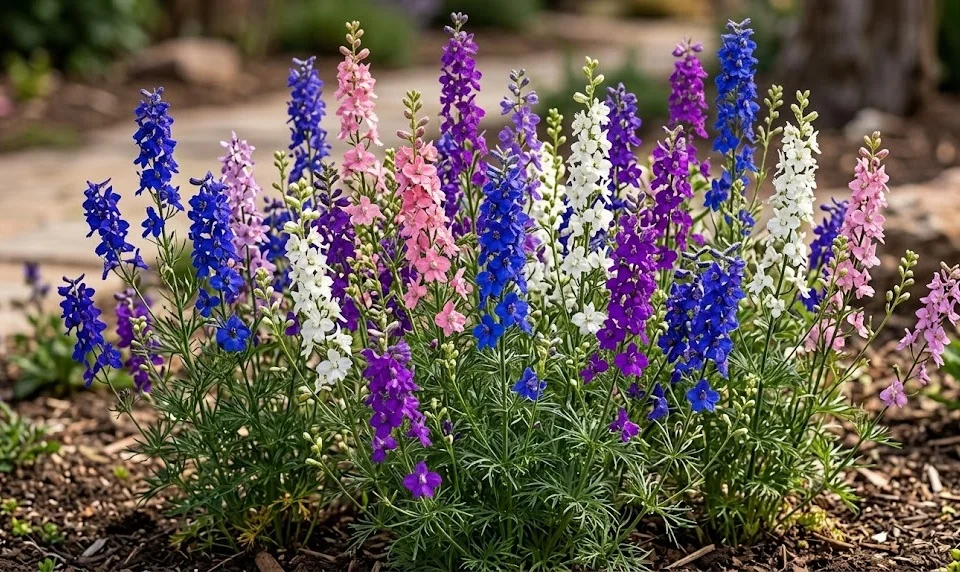

Maintaining the health of garden larkspur requires a vigilant eye and a proactive approach to managing the various diseases and pests that can afflict these delicate beauties. While they are generally hardy, the tall spikes and dense foliage can occasionally attract unwanted attention from the insect world or become a host for fungal pathogens. A professional strategy focuses on prevention and early intervention to ensure that your floral display remains pristine throughout the season. Understanding the specific threats to larkspur is the first step in creating a resilient and beautiful garden.
Fungal issues and moisture management
Powdery mildew is perhaps the most common fungal disease encountered when growing garden larkspur, particularly in humid or crowded conditions. It appears as a white, flour-like coating on the leaves and stems, which can eventually cause the foliage to wither and drop. To prevent this, you must ensure adequate spacing between plants to allow for maximum air circulation, which keeps the leaf surfaces dry. Avoid overhead watering, as wet leaves are the primary entry point for the spores that cause this unsightly and damaging condition.
Root and stem rot can occur if the soil remains excessively wet for extended periods, especially in heavy clay soils with poor drainage. These diseases are often caused by various soil-borne fungi that attack the plant’s vascular system, leading to sudden wilting and death. You may notice a darkening or softening of the stem at the soil line, which is a clear sign that the roots are struggling. Improving the soil structure with organic matter and ensuring that the planting site is well-drained are the most effective long-term solutions for rot.
Botrytis blight, also known as gray mold, can affect the flower spikes during periods of cool, wet weather. This fungus causes the developing buds to turn brown and mushy, often covered in a fuzzy gray growth that can spread rapidly through the garden. Promptly removing any infected plant parts and disposing of them away from the garden is essential to stop the spread of spores. In professional settings, a preventative application of an organic fungicide may be used if the weather forecast predicts a long period of damp conditions.
Another concern is Sclerotinia, often called crown rot, which can cause the entire larkspur plant to collapse seemingly overnight. You might find small, black, seed-like structures called sclerotia on the affected tissue, which allow the fungus to survive in the soil for many years. Because this disease is so persistent, it is important to remove the entire plant and the surrounding soil if an infection is confirmed. Practicing crop rotation and avoiding planting larkspur in the same spot for several consecutive years will help break the cycle of this devastating pathogen.
More articles on this topic
Common insect pests and their control
Aphids are small, sap-sucking insects that are frequently found clustered on the tender new growth and flower buds of garden larkspur. Their feeding can cause the leaves to curl and become distorted, and they also secrete a sticky substance called honeydew that can attract black sooty mold. A professional way to manage aphids is to encourage natural predators like ladybugs and lacewings, which can keep the population under control. For small infestations, a sharp blast of water from a garden hose can be enough to dislodge the pests and disrupt their feeding.
Slugs and snails are notorious for their ability to decimate young larkspur seedlings in a single night. These nocturnal pests thrive in damp, mulched areas and leave behind tell-tale silvery trails as they move across the garden. To protect your plants, you can use physical barriers like copper tape or create a dry, gritty perimeter around the bed using crushed eggshells or diatomaceous earth. In professional gardens, beer traps or iron phosphate-based baits are often used to manage high populations without harming beneficial wildlife.
Mites can sometimes become a problem during hot, dry spells, causing the foliage to take on a stippled, yellowed appearance. These tiny pests are difficult to see with the naked eye, but you may notice fine webbing on the undersides of the leaves in severe cases. Keeping the plants well-watered and occasionally misting the foliage can help deter mites, as they prefer dusty and dry environments. If the infestation persists, an application of insecticidal soap or neem oil can be an effective and professional organic control method.
Leaf miners are the larvae of certain flies that tunnel through the internal tissues of the larkspur leaves, creating winding, white trails. While the damage is often primarily aesthetic, a heavy infestation can weaken the plant by reducing its ability to photosynthesize. The most direct way to manage leaf miners is to simply pinch off and destroy any leaves that show signs of tunneling as soon as you see them. This prevents the larvae from completing their life cycle and emerging to lay more eggs on nearby healthy plants.
More articles on this topic
Preventative measures for a healthy garden
The best defense against pests and diseases is a professional emphasis on plant health and garden hygiene. Strong, well-fed plants are naturally more resistant to attacks and can recover more quickly if they do become infested. This starts with choosing the right location, providing the correct nutrients, and ensuring that the soil conditions are optimal for larkspur growth. A stressed plant is like a beacon for pests, so minimizing environmental challenges is a key part of your integrated pest management strategy.
Cleanliness in the garden is another critical preventative measure that should never be overlooked by a serious gardener. Regularly removing spent flowers, yellowing leaves, and any fallen debris helps to eliminate hiding places for pests and reduces the reservoir of fungal spores. At the end of the season, it is professional practice to clear the entire larkspur bed and dispose of the plant material rather than tilling it back into the soil. This “clean slate” approach significantly reduces the likelihood of problems returning in the following year.
Proper tool maintenance is a professional habit that prevents the accidental spread of diseases from one plant to another. If you are pruning or deadheading, make sure to disinfect your shears with rubbing alcohol or a mild bleach solution between each plant. This is especially important if you suspect a disease like crown rot or botrytis is present in your garden. It only takes a second to wipe down your tools, but it can save you from a major outbreak that could destroy your entire floral display.
Monitoring your garden daily is perhaps the most effective way to prevent minor issues from becoming major disasters. By spending a few minutes each morning checking the undersides of leaves and the centers of the flower spikes, you can catch pests and diseases in their earliest stages. Early intervention often means you can use simpler, less invasive control methods rather than relying on heavy chemical treatments. A professional gardener is an observant one, always tuned into the subtle changes that indicate a plant might be in trouble.
Natural and organic remedies
When intervention is necessary, many professional gardeners prefer to use natural and organic remedies that have a lower impact on the surrounding ecosystem. Neem oil is a versatile tool that acts as both a fungicide and an insecticide, making it a staple in the organic gardener’s cabinet. It works by disrupting the life cycle of pests and creating a protective barrier on the leaf surface that inhibits fungal growth. Always follow the manufacturer’s instructions and apply it in the evening to avoid harming bees and other pollinators.
Baking soda sprays are a traditional and surprisingly effective way to manage powdery mildew on larkspur foliage. By mixing a small amount of baking soda with water and a drop of liquid soap, you can create a solution that changes the pH on the leaf surface, making it inhospitable for fungi. This remedy works best as a preventative measure or at the very first sign of white spots. Be careful not to make the solution too strong, as excessive sodium can eventually damage the plant tissue.
Encouraging biodiversity in your garden is the most sustainable and professional way to manage pests over the long term. By planting a variety of flowers that attract hoverflies, predatory wasps, and other beneficial insects, you create a natural balance that keeps pest populations in check. A garden that is too “clean” or heavily sprayed with broad-spectrum chemicals often lacks these natural allies, leading to more frequent and severe pest outbreaks. Think of your garden as a complex ecosystem where every creature has a role to play.
Organic slug controls, such as iron phosphate pellets, provide a safe alternative to traditional baits that can be toxic to pets and birds. These pellets cause the slugs to stop feeding and retreat to their hiding places, where they eventually die without leaving a mess. Combined with cultural practices like removing hiding spots and using barriers, organic baits can be a very effective part of a professional pest management plan. The goal is always to find the most targeted and least harmful solution for the specific problem at hand.
Integrated pest management strategies
Integrated Pest Management, or IPM, is a professional framework that combines various cultural, biological, and chemical tools to manage garden health. It starts with the least invasive methods, such as manual removal of pests or adjusting watering schedules, and only moves to more intensive treatments when necessary. This approach requires a deep understanding of the life cycles of both the plants and their pests, allowing you to intervene at the most effective time. IPM is the gold standard for modern, professional gardening and agriculture.
Setting realistic thresholds for damage is a key component of an IPM strategy for garden larkspur. A few aphids or a small amount of powdery mildew on the lower leaves may not require any action if the plant is otherwise healthy and the flower spikes look good. Learning to tolerate a minor amount of natural imperfection allows you to reduce your reliance on intervention and promotes a more resilient garden. However, if the damage begins to affect the overall vigor or aesthetic of the display, it’s time to step in.
Record-keeping plays a vital role in professional pest management by helping you identify patterns and anticipate future problems. If you note that powdery mildew always appears in a certain corner of the garden in late July, you can take preventative steps earlier in the season. Tracking which remedies worked best and which varieties seemed most resistant provides a roadmap for success in subsequent years. This data-driven approach takes the guesswork out of gardening and leads to more consistent, professional results.
Finally, education and staying informed about new pests or diseases in your area is a hallmark of a professional gardener. New threats can emerge due to changing weather patterns or the accidental introduction of non-native species. Joining local gardening clubs or following university agricultural extensions can provide you with the latest information and professional advice for your specific region. By remaining curious and proactive, you can ensure that your garden larkspur remains a healthy and vibrant part of your landscape for many years to come.