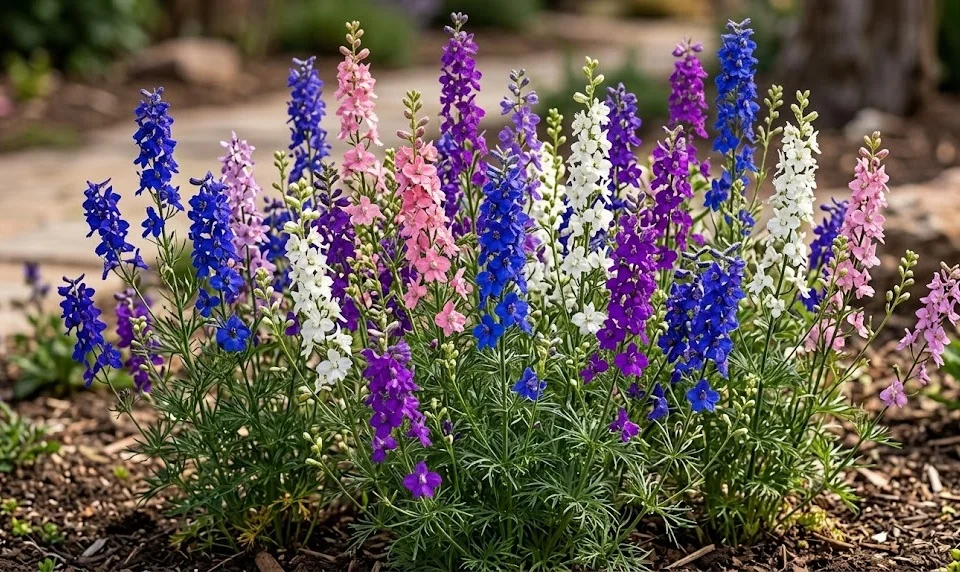

Mastering the light requirements of garden larkspur is a fundamental step in achieving professional-grade results in the ornamental garden. These plants are known for their love of bright, sunny conditions, which are essential for the development of their strong, vertical stems and vibrant flower spikes. However, understanding the nuances of how light interacts with temperature and soil moisture can help you optimize their performance in a variety of landscapes. By providing the perfect balance of illumination, you can ensure your larkspur reaches its full aesthetic and biological potential.
Full sun benefits and intensity
For the most prolific and healthy display, garden larkspur should ideally receive at least six to eight hours of direct sunlight every day. This high level of light exposure provides the energy needed for the plant to manufacture the sugars required for rapid growth and heavy flowering. In full sun, the stems grow thicker and more resilient, which is crucial for supporting the weight of the large floral spikes. Without enough light, the plants often become “leggy,” stretching toward the nearest light source and becoming prone to flopping over.
The quality of the light also affects the color intensity of the larkspur blooms, with higher UV levels often leading to deeper blues and more vibrant pinks. Professional growers often select sites with southern or western exposure to maximize the intensity of the afternoon sun. However, it is important to remember that high light intensity is usually accompanied by higher temperatures, which can stress the plants if not managed. A professional gardener always monitors the relationship between sun exposure and soil moisture to ensure the plants remain hydrated.
In regions with extremely high summer temperatures, the definition of “full sun” might need to be adjusted slightly for the best results. While the plants still need plenty of light, they can benefit from a location that provides some relief during the most intense heat of the day. This might involve a spot that receives bright morning sun but is protected by a light dappled shade in the late afternoon. This balance prevents the flowers from bleaching and extends the overall life of each individual bloom on the spike.
Light exposure also plays a role in the timing of the bloom, as larkspur is often responsive to the increasing day length of late spring and early summer. Plants grown in the sunniest spots will typically be the first to bloom, while those in slightly more shaded areas may follow a week or two later. You can use this to your advantage by planting your larkspur in locations with varying light levels to create a staggered flowering season. This professional design technique ensures that your garden remains in color for as long as possible.
More articles on this topic
Shade tolerance and its limitations
While garden larkspur is a sun-loving plant, it does possess a modest degree of shade tolerance, especially in warmer climates where the sun is very intense. However, planting in too much shade will significantly impact the quality of the display and the health of the plants. In low-light conditions, the flower spikes will be shorter, the individual florets will be spaced further apart, and the colors will appear muted. A professional approach involves recognizing when a site is simply too dark for larkspur to thrive.
Deep shade is almost always detrimental, leading to weak plants that are highly susceptible to diseases like powdery mildew. Because the leaves take longer to dry in the shade, fungal spores have a much easier time establishing themselves on the foliage. If you must plant in a partially shaded area, it is even more important to ensure excellent air circulation and to avoid any overhead watering. These cultural adjustments can help mitigate some of the negative effects of lower light levels.
Another issue with shade is that it can lead to phototropism, where the plants grow at a dramatic angle as they “reach” for the light. This creates a messy and unprofessional appearance in the garden bed and makes the plants much harder to support with stakes. If you notice your larkspur leaning heavily in one direction, it is a clear sign that they are not receiving enough overhead light. In such cases, it might be better to move the plants to a sunnier location in the following season.
For those with mostly shaded gardens, look for “dappled shade” spots under thin-canopied trees where light can still filter through to the ground. This environment can sometimes work for larkspur if the soil is rich and the plants are not competing too heavily with tree roots for moisture. However, even in these conditions, the plants will never reach the same towering heights as those grown in full, unobstructed sun. Success in the shade requires realistic expectations and a commitment to meticulous maintenance.
More articles on this topic
Light, orientation, and garden design
When designing your garden beds, the orientation of the sun should dictate where you place your taller larkspur varieties. Since they will always grow toward the light, you should place them so they are not shaded by other tall structures or plants during the peak hours of the day. A common professional mistake is planting larkspur on the north side of a tall hedge or fence, where they will spend most of the day in a shadow. Proper orientation ensures that the entire plant, from the base to the tip of the spike, receives uniform illumination.
The reflective properties of nearby surfaces can also influence the light levels in your garden. For example, a white wall or a light-colored fence can reflect additional sunlight onto the plants, effectively increasing the light intensity in that specific spot. This can be a useful trick for gardeners in cooler or cloudier climates who want to give their larkspur an extra boost. Conversely, dark-colored surfaces can absorb heat and create a hot microclimate that might require more frequent watering for sun-exposed plants.
Photoperiodism, or the plant’s response to the length of the day, is a professional concept that helps explain why larkspur blooms when it does. As the days grow longer in the spring, the plants receive the biological signal to shift from leaf production to flower production. This internal clock is highly synchronized with the natural environment, ensuring the flowers appear when pollinators are most active. Understanding this relationship helps you appreciate why spring-sown plants often bloom later than those that were overwintered.
Finally, consider the visual impact of light as it interacts with the larkspur flowers at different times of the day. The “golden hour” of late afternoon can make the blue and purple varieties seem to glow from within, creating a magical atmosphere in the garden. Professional landscape photographers often wait for this specific light to capture the true beauty of these plants. By thinking about how light moves through your garden, you can place your larkspur where its beauty will be most dramatically revealed to you and your visitors.