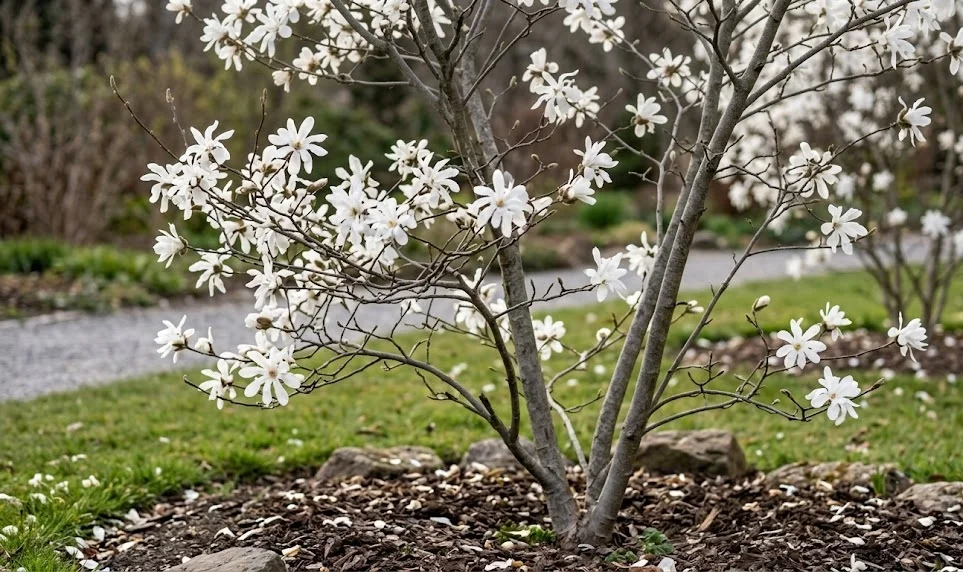

Proper hydration and nutrition are the two pillars that support the majestic growth and flowering of this beautiful landscape tree. While the magnolia is known for its strength, it has specific physiological requirements that must be met to reach its full potential. Understanding the balance between too much and too little is the mark of an experienced and thoughtful gardener. This article will guide you through the technical aspects of delivering water and nutrients to ensure your tree remains a healthy centerpiece.
In the first few years after planting, the tree is entirely dependent on your watering schedule to survive and thrive. Its root system is still confined to a small area and cannot yet reach deep into the ground for hidden moisture. During dry spells, you may need to provide a deep soaking several times a week to keep the soil consistently damp. A slow trickle from a hose or a specialized soaker system is often better than a quick blast of water from a bucket.
As the tree matures and expands its root network, it becomes much more resilient to temporary fluctuations in rainfall and soil moisture. However, this does not mean you can ignore its needs during the peak of a hot and dry summer season. Large trees lose a massive amount of water through their leaves every single day through the natural process of transpiration. If the ground becomes too dry, the tree will prioritize its own survival over its appearance and may start dropping leaves.
You should always check the moisture level of the soil a few inches below the surface before you decide to add more water. Overwatering can be just as damaging as drought because it fills the air pores in the soil and can lead to root suffocation. If the soil feels muddy or has a foul smell, it is a clear indication that you need to improve drainage or reduce watering. Finding that perfect middle ground is the secret to a happy and healthy japanese magnolia in any garden.
Managing early irrigation needs for young trees
When a young tree is first introduced to your garden, its limited root ball can dry out surprisingly quickly even in mild weather. You should establish a regular checking routine to ensure the root zone never completely loses its moisture during the first year. Watering in the early morning is the most efficient method because it allows the moisture to soak in before the sun gets too high. It also ensures that any water that gets on the leaves has plenty of time to dry off during the day.
More articles on this topic
The quantity of water you provide should be enough to saturate the entire depth of the root ball and the surrounding soil area. This encourages the roots to grow outward and downward in search of water rather than staying near the surface where it is hot. A shallow watering approach leads to a weak root system that is much more vulnerable to heat and wind stress. You want to train your tree to be self-sufficient by encouraging deep and robust root development right from the beginning.
Using a mulch ring around the base of the tree is a highly effective way to maximize the impact of every drop of water you provide. The mulch prevents the surface of the soil from baking in the sun and forming a hard crust that repels water. It also slowly breaks down over time, adding beneficial organic matter to the soil that improves its overall water-holding capacity. Just remember to keep the mulch away from the trunk to prevent any issues with moisture-related bark diseases.
During the winter months, young trees may still need occasional watering if the ground is not frozen and there is very little rainfall. Evergreens and deciduous trees alike can suffer from desiccation if the winter air is dry and the ground provides no moisture. A quick check of the soil during a mid-winter thaw can tell you if a little extra hydration is necessary to protect the tree. This year-round attention to moisture levels is what separates the expert gardener from the casual observer.
Providing water for the mature and established specimen
Once your tree has been in the ground for five years or more, it should have a substantial root system that can handle some variation. However, the sheer size of a mature magnolia means it requires a significant volume of water to maintain its health and vigor. During a typical growing season, natural rainfall may be enough, but you should always be ready to intervene during extended heatwaves. Watching the leaves is your best way to understand if the tree is getting what it needs from the environment.
More articles on this topic
When you do water a mature tree, you should focus your efforts on the area under the outer edge of the canopy, known as the drip line. This is where the majority of the active feeder roots are located, waiting to absorb moisture and nutrients for the rest of the plant. A deep, slow irrigation that lasts for several hours is much more beneficial than a quick surface watering of the entire lawn. This method ensures the water reaches the deeper soil layers where the roots can access it more slowly.
Climate change and shifting weather patterns mean that historical watering schedules may no longer be accurate for your specific local region. You might find that you need to water more frequently than in previous decades to compensate for higher average temperatures. Keeping a simple rain gauge in your garden can help you track exactly how much moisture the sky is providing for your plants. This data allows you to make more informed decisions about when and how much additional water your magnolia requires.
The use of greywater or harvested rainwater is an environmentally friendly way to meet the high demands of a large flowering tree. Rainwater is naturally soft and often has a slightly acidic pH that the japanese magnolia prefers over treated tap water. If you use a rain barrel, you can easily direct that water to the base of your tree using a simple gravity-fed hose. This sustainable approach to gardening saves money and provides the highest quality hydration for your valuable landscape specimens.
Understanding nutrient requirements and soil health
Fertilization is not just about adding chemicals to the ground; it is about supporting the complex biological systems that keep the tree alive. A healthy tree in good soil may not need much supplemental feeding if the natural nutrient cycle is working effectively. However, most garden soils can benefit from a targeted application of nutrients to support the energy-intensive process of flowering. The goal is to provide a balanced diet that includes both macro and micronutrients for comprehensive and long-term health.
The best time to apply fertilizer is in the early spring, just as the buds are beginning to swell and the tree is waking up. This provides a burst of energy right when the plant needs it most for the massive task of producing blossoms and new leaves. You should look for a fertilizer that is formulated for acid-loving plants or one that has a balanced ratio of nitrogen, phosphorus, and potassium. Always follow the instructions on the package to avoid over-feeding, which can be just as harmful as under-feeding.
Nitrogen is essential for the growth of lush, green foliage and the overall size of the tree throughout the growing season. Phosphorus plays a key role in root development and the formation of those beautiful white flowers that we all love so much. Potassium helps with the overall cellular health of the plant and its ability to withstand environmental stresses like drought and cold. A deficiency in any of these areas will quickly show up as poor growth or a lack of vibrant color in the leaves.
Organic fertilizers, such as composted manure or seaweed extracts, offer a slower and more natural way to feed your japanese magnolia. These materials improve the structure of the soil while providing a steady stream of nutrients that the roots can absorb as needed. They also support the population of earthworms and beneficial bacteria that keep the soil aerated and healthy for the plant. Using organic methods creates a more resilient garden ecosystem that requires fewer chemical interventions over time to stay healthy.
Implementing a seasonal feeding schedule
Developing a consistent routine for feeding your tree helps you stay on top of its nutritional needs throughout the entire year. After the initial spring application, a light second feeding in the early summer can help the tree recover from the effort of flowering. This second dose supports the development of the buds that will stay on the branches all through the following winter. You should avoid any heavy fertilization after mid-summer to ensure the tree doesn’t start producing soft growth that will be damaged by frost.
In the autumn, your focus should shift from adding nutrients to protecting the ones that are already in the soil for the tree. Applying a fresh layer of compost or mulch at this time provides a slow release of organic matter as it breaks down during the winter. This natural process mimics the way forest floors work, recycling nutrients back into the earth to be used again in the spring. It is the most sustainable and effective way to manage the long-term fertility of your garden soil.
If you notice that your tree is not responding to standard fertilization, it may be time to perform a professional soil test in your garden. Sometimes a specific mineral is missing, or the pH of the soil is preventing the tree from absorbing the nutrients that are already present. A soil test provides you with a clear roadmap of exactly what your ground needs to support the health of your magnolia. This scientific approach removes the guesswork and ensures you are providing the most effective care possible for your plants.
Monitoring the growth rate and flowering performance of your tree each year will tell you if your feeding schedule is working properly. If you see plenty of new wood and a massive display of blossoms, you have likely found the perfect balance for your garden. If the tree seems stagnant or the flowers are sparse, you may need to adjust the timing or the type of fertilizer you are using. Remember that every garden is unique, and what works for your neighbor might not be the best solution for your specific site.
Correcting nutritional imbalances and soil chemistry
Sometimes, despite your best efforts, your magnolia may show signs of specific nutritional stress that require a more targeted intervention from you. Iron chlorosis is a common issue where the leaves turn yellow while the veins stay green, often caused by soil that is too alkaline. You can treat this by applying chelated iron or by using soil acidifiers like elemental sulfur to lower the pH. Correcting the chemistry of the soil allows the tree to access the iron that is naturally present but was previously chemically locked away.
Magnesium deficiency can also occur, especially in sandy soils where nutrients are easily washed away by heavy rainfall or frequent irrigation. This often shows up as a bronzing or yellowing of the older leaves toward the bottom of the tree’s canopy. Adding a small amount of Epsom salts to your watering routine can quickly resolve this issue and restore the vibrant green color to the foliage. It is a simple and inexpensive fix that can make a dramatic difference in the appearance of your tree.
You should always be careful not to over-apply nitrogen, as this can lead to an explosion of leaf growth at the expense of flowers. Trees that are over-fertilized with nitrogen often have very long, weak branches that are prone to breaking in the wind or under snow. It can also make the leaves more attractive to certain pests like aphids, which prefer the soft and succulent tissue of fast-growing plants. Balance is the most important concept to keep in mind whenever you are working with plant nutrition and fertilization.
Finally, remember that the health of the tree is a reflection of the health of the entire environment in which it is currently growing. By providing clean water and balanced nutrition, you are supporting a living system that will provide beauty and shade for many years. Take the time to observe your tree and enjoy the process of learning about its unique needs and responses to your care. A well-fed and well-watered japanese magnolia is one of the most rewarding sights any gardener can ever hope to see.