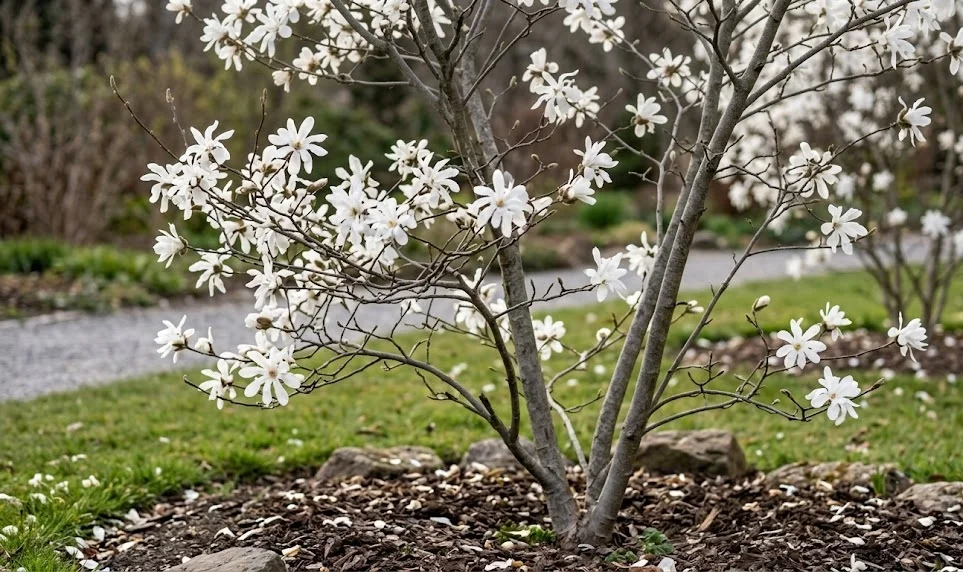

Caring for this hardy and ancient flowering tree requires a blend of patience and specific environmental knowledge to ensure it thrives in your garden. This species is often celebrated for its resilience and its stunning display of white blossoms that appear long before the leaves unfurl in early spring. To get the best results, you need to understand that this plant is not just a decoration but a living being with specific needs. We will explore how to maintain its health and vigor through various stages of its long and beautiful life.
The early years of the tree are the most critical because the root system is establishing itself in the new soil environment. You should monitor the growth of the young branches to ensure they are developing a strong and balanced structure. If you notice any signs of stunted growth, it might be an indication that the tree is struggling with its current surroundings. Providing a stable environment during this phase sets the foundation for a specimen that can live for many decades.
The surrounding vegetation also plays a significant role in how well your tree manages to integrate into the landscape. High competition for nutrients from nearby aggressive weeds or grass can slow down the development of the magnolia significantly. Keeping a clear area around the base of the trunk helps the roots breathe and access water more effectively. This simple maintenance task is often overlooked but remains one of the easiest ways to support healthy growth.
Consistency in your care routine is much more effective than sporadic bursts of heavy maintenance followed by neglect. You should walk through your garden regularly to observe the color and texture of the foliage throughout the seasons. Healthy leaves should have a vibrant green hue and a firm texture that indicates proper hydration and nutrition. By staying observant, you can catch minor issues before they turn into serious problems for your beloved garden centerpiece.
Selecting the ideal soil and ground conditions
The composition of the soil in your garden is the primary factor that determines the long-term success of your magnolia. These trees generally prefer soil that is slightly acidic to neutral, as this allows them to absorb minerals most efficiently. If your ground is naturally very alkaline, you might need to amend it with organic matter or specific fertilizers. Testing the pH levels before you start any major work is a professional step that saves a lot of trouble later.
More articles on this topic
Drainage is another non-negotiable requirement that you must address if you want to avoid root-related health issues. While these plants enjoy consistent moisture, they will quickly suffer if their roots are left sitting in stagnant water for too long. Heavy clay soils can be particularly challenging because they trap moisture and prevent oxygen from reaching the root zone. Adding compost or well-rotted manure can help break up heavy soil and improve its structure and drainage.
Nutrient density within the earth provides the fuel needed for those spectacular spring flowers that everyone admires so much. You should aim for a soil rich in organic material that slowly releases nutrients over the course of the growing season. A healthy soil microbiome full of beneficial fungi and bacteria will also support the tree’s immune system against common pathogens. Feeding the soil is essentially the same as feeding the tree, as the two are inextricably linked.
Compaction of the ground around the tree can be a silent killer that limits the spread of the delicate feeder roots. You should avoid heavy foot traffic or the use of heavy machinery in the immediate vicinity of the drip line. If the soil becomes too hard, water will simply run off the surface instead of soaking down to where it is needed. Aerating the soil gently can help restore the necessary pores that hold both water and life-giving air for the plant.
Understanding the local microclimate and wind protection
Even though these trees are quite hardy once established, they can be sensitive to harsh environmental conditions during the early spring. Late frost is the most common enemy of the delicate flower buds that have been waiting all winter to open. If your garden is located in a low-lying area where cold air settles, you might see the blossoms turn brown prematurely. Choosing a slightly elevated spot or a location near a wall can provide just enough warmth to protect them.
More articles on this topic
Wind is another factor that can cause physical damage to the large, thin petals and the broad leaves of the tree. Strong gusts can strip the blossoms away in just a few hours, ending the most beautiful part of the year too soon. Constant exposure to drying winds can also cause the foliage to lose moisture faster than the roots can replace it. Planting your magnolia in a sheltered spot will significantly improve its appearance and reduce the stress it experiences.
Temperature fluctuations during the transition from winter to spring can confuse the plant and lead to sap flow issues. A sudden warm spell followed by a hard freeze is particularly dangerous for the vascular system of the young branches. You can mitigate this risk by ensuring the tree is well-hydrated before the ground freezes solid in the autumn. Healthy, well-hydrated cells are much more resilient to the expansion and contraction caused by changing temperatures.
The proximity of other large trees can create a beneficial microclimate that moderates both temperature and wind speed. However, you must ensure that these neighbors do not cast too much shade, which could inhibit the magnolia’s flowering potential. A balance between protection and open sky is the goal for any serious gardener working with this species. Creating a layered landscape design often provides the best results for both aesthetics and the health of individual plants.
Managing growth habits and spatial requirements
This specific variety of magnolia can grow quite large over time, often reaching the size of a medium tree rather than a small shrub. You need to plan for its ultimate height and spread right from the beginning to avoid future structural conflicts. If planted too close to a building or a fence, the natural symmetry of the crown will be disrupted as it reaches for light. Giving the plant enough room to breathe and grow ensures it maintains its majestic and wide-spreading form.
The root system is surprisingly wide and shallow, often extending well beyond the reach of the outer branches. This means you should be careful about planting other deep-rooted perennials or shrubs too close to the base of the tree. Competition for space underground is just as intense as competition for sunlight above the ground level. Understanding these spatial dynamics helps you create a garden that feels harmonious rather than crowded and stressed.
As the tree matures, the lower branches may begin to droop and touch the ground if they are not monitored. While this can look beautiful, it may also interfere with your ability to maintain the area beneath the canopy. You should decide early on whether you want a multi-stemmed shrub-like appearance or a clear, single-trunk tree form. Both styles are valid, but they require different approaches to long-term spatial management and light distribution.
Growth rates can vary depending on the quality of care and the specific environmental conditions of your particular region. In ideal settings, you can expect a steady and moderate growth that results in strong, durable wood and healthy buds. If the tree grows too fast due to excessive nitrogen, the wood may be weak and prone to breaking during storms. A slow and steady pace is always preferable for a tree that is intended to last for generations.
Seasonal care routines and monitoring
Each season brings a new set of tasks that help maintain the tree in peak condition throughout the entire year. Spring is naturally the time for observation and enjoying the results of your previous efforts during the dormant months. You should check for any dead or damaged wood that might have occurred during the winter and clear it away. This prevents opportunistic diseases from gaining a foothold in the dead tissue as the weather warms up.
Summer is primarily about moisture management and ensuring the leaves do not become scorched by the intense sun. During prolonged dry spells, the tree relies heavily on your intervention to keep its massive leaf surface hydrated and functional. You might notice the leaves drooping slightly in the afternoon heat, which is a normal response to high transpiration rates. However, if they do not recover by the following morning, it is a clear sign that you need to increase watering.
Autumn is the period when the tree prepares for dormancy and starts forming the buds for the following spring. It is a great time to apply a fresh layer of organic mulch to protect the roots and conserve soil moisture. You should avoid heavy fertilization at this time, as you do not want to encourage new, soft growth. Soft shoots produced late in the year will not have enough time to harden off before the first frost arrives.
Winter is the season of rest, but it still requires some level of vigilance from the gardener to ensure safety. Heavy snow can accumulate on the horizontal branches and cause them to bend or even snap under the weight. Gently shaking the snow off after a heavy downfall can prevent structural damage to the crown of the tree. It is also the best time to plan any future adjustments to the garden layout while the structure is fully visible.
Monitoring for physiological stress indicators
Plants cannot speak, but they provide many visual cues that tell us exactly how they are feeling at any given moment. Yellowing of the leaves, known as chlorosis, often indicates a nutrient deficiency or a problem with the soil pH. If the veins remain green while the rest of the leaf turns yellow, it usually points to an iron or manganese issue. Correcting these imbalances requires a thoughtful approach to soil chemistry rather than a random application of chemicals.
Leaf scorch or browning at the edges is frequently a sign of environmental stress rather than a biological disease. This can happen during extreme heatwaves or when the plant is exposed to excessive salt from nearby roads or sidewalks. Improving the humidity around the tree or providing temporary shade can help mitigate these external factors during peak summer. Keeping the roots cool with a thick layer of mulch is another effective strategy for reducing physiological heat stress.
Premature leaf drop is a more serious indicator that the tree is trying to protect itself from severe drought or root damage. By shedding its leaves, the plant reduces the amount of water it loses through transpiration to save its core life. If this happens, you should investigate the soil moisture levels deep underground where the main roots are located. Sometimes the surface appears wet while the deeper layers are bone dry, leading to a deceptive situation for the gardener.
Stunted bud development or the failure to bloom is often linked to the energy reserves the tree managed to store. If the previous year was particularly stressful, the magnolia might skip a flowering cycle to focus on survival and leaf production. This is a natural defense mechanism and should not be a cause for immediate panic if the rest of the tree looks healthy. Patience is key, as the tree will usually bounce back once the environmental conditions improve and stabilize.
Ensuring long term health and maturity
As your magnolia reaches its full size, the level of maintenance it requires will naturally shift toward preservation. A mature tree is a massive biological engine that supports a wide variety of local birds and beneficial insects. You should continue to monitor the integrity of the main trunk and the primary structural branches for any signs of decay. Professional arborists can be a great resource for periodic check-ups to ensure the tree remains safe and healthy for everyone.
The beauty of a mature japanese magnolia is unparalleled in the spring garden, acting as a focal point for the entire landscape. Its silver-grey bark becomes more textured and interesting with age, providing visual interest even during the coldest winter months. By following these care guidelines, you are ensuring that this natural masterpiece continues to thrive and inspire for years. The effort you put in today will be rewarded every time those white petals catch the morning sun.
Maintaining a healthy environment for the tree also involves respecting its root zone even as your garden evolves. Avoid digging large holes for new plants directly under the canopy, as this can sever important structural and feeder roots. Instead, choose small groundcovers that can coexist peacefully with the tree without demanding too much space or water. This holistic approach to garden design ensures that all your plants live in a supportive and thriving community.
Finally, remember that gardening is a continuous learning process that evolves just as your plants do over the seasons. Every year will bring different weather patterns and challenges that require you to adapt your care strategies accordingly. There is a deep sense of satisfaction in watching a tree you have cared for grow from a small sapling into a giant. Your dedication to the details of its care is what makes the difference between a surviving plant and a thriving one.