
Preparing your garden for the coldest months of the year is a vital task that ensures your most precious trees survive to bloom another spring. This species is known for its impressive cold hardiness, but even the toughest plants benefit from a little extra protection during extreme weather events. Wintering is not just about the cold; it is about managing moisture, wind, and the physical weight of snow on the dormant structure of the plant. A few simple steps taken in the autumn can prevent significant damage and ensure a spectacular floral display in the new year.
The primary challenge during the winter months is the unpredictability of the temperature and the potential for sudden, deep freezes. While the roots are protected by the earth, the branches and the delicate flower buds are exposed to the full force of the elements for months. If the tree has not properly hardened off before the first frost, the soft tissue can be severely damaged by the expansion of ice crystals. Understanding how the tree transitions into dormancy will help you support it through this critical period of rest and recovery.
Hydration is a surprisingly important factor in winter survival that many gardeners tend to overlook once the leaves have fallen from the branches. Trees continue to lose moisture through their bark and buds even when they are dormant, especially during dry and windy winter days. If the ground is frozen solid, the roots cannot replace this lost water, leading to a condition known as winter desiccation or “freeze-drying.” Ensuring the tree is well-hydrated before the first hard freeze is one of the best ways to protect it from this hidden danger.
Snow and ice can also pose a significant physical threat to the structural integrity of the tree’s crown and its many branches. The horizontal growth habit of the japanese magnolia makes it particularly susceptible to accumulating heavy loads of wet, heavy snow. If the weight becomes too great, branches can snap or the entire tree can become misshapen under the constant pressure of the winter environment. Being prepared to help the tree shed this weight is a task that every winter gardener should be ready to perform when the need arises.
Preparing the roots and soil for the frozen months
The most effective way to protect the root system is to apply a thick layer of organic mulch around the base of the tree in the late autumn. This layer of mulch acts like an insulating blanket that keeps the soil temperature more stable and prevents the ground from freezing and thawing repeatedly. These “heave” cycles can be very damaging to the delicate feeder roots that are located near the surface of the soil. A good mulch layer also helps retain any moisture that is present, providing a reserve for the tree during dry winter spells.
More articles on this topic
You should aim for a mulch layer that is about three to four inches deep and extends out to the edge of the tree’s canopy. Using natural materials like wood chips, shredded bark, or even fallen leaves provides the best results for both insulation and long-term soil health. Be careful to keep the mulch away from the direct contact with the trunk to prevent moisture from causing bark rot or providing a home for rodents. This simple ring of protection is the foundation of a successful wintering strategy for any young or mature magnolia tree.
If the autumn has been particularly dry in your region, you should provide several deep waterings before the ground eventually freezes for the season. You want the soil to be moist but not saturated, providing a stable and hydrated environment for the roots to rest in. This deep moisture also helps the soil hold onto heat longer than dry soil would, offering another layer of protection against the cold. It is a proactive step that makes a huge difference in how the tree emerges from its winter sleep in the spring.
Avoid the temptation to apply any fertilizer in the late summer or autumn, as this can encourage new growth that won’t have time to mature. This soft, succulent growth is the first thing to be killed by the frost and can provide an entry point for various diseases. You want the tree to naturally slow its metabolism and move its energy down into the roots as the days grow shorter and the air turns cold. Following the natural rhythm of the seasons is always the best approach for long-term tree health and winter resilience.
Protecting young trees from the harsh elements
Younger specimens are much more vulnerable to winter damage than their mature counterparts because their bark is still thin and their root systems are small. For the first few years after planting, you should consider providing some physical protection against the drying winds and the intense winter sun. A simple burlap screen or a temporary fence can break the force of the wind and reduce the amount of moisture the tree loses. This is especially important if your magnolia is planted in an exposed or particularly windy location in your landscape.
More articles on this topic
Sunscald is a common problem for young magnolias during the winter, where the bark can crack or peel due to rapid temperature changes. The dark bark absorbs heat from the afternoon sun, only to freeze again instantly when the sun goes down or a cloud moves in. You can prevent this by wrapping the trunk in a light-colored tree wrap or by using a plastic guard that reflects the sunlight away. This keeps the temperature of the bark more consistent and protects the vital vascular system that is located just beneath the surface.
Rodents and other small animals can also be a significant threat during the winter when their other food sources become scarce in the garden. They may chew on the tender bark at the base of the tree, which can girdle the trunk and kill the entire plant. Installing a wire mesh guard around the base of the tree can provide a physical barrier that keeps these hungry visitors away from the sensitive bark. Make sure the guard is buried slightly in the ground and extends high enough to account for potential snow accumulation.
In very cold regions, you can even create a “cage” around the entire young tree and fill it loosely with dry leaves or straw for extra insulation. This extreme measure is usually only necessary for the first winter or if you are trying to grow the tree in a zone that is slightly too cold for its natural range. If you do this, make sure to use dry materials and remove them as soon as the weather begins to warm up in the early spring. Protecting your investment during these early years will pay off with a lifetime of beautiful flowers and shade.
Managing snow and ice accumulation on the branches
Heavy snowfall can be one of the most beautiful parts of winter, but it can also be a source of anxiety for the dedicated gardener. The wide-reaching branches of the japanese magnolia are perfect for catching snow, which can quickly add up to hundreds of pounds of weight. If you see the branches bending significantly, you should gently intervene to help the tree carry the load more safely. However, you must be extremely careful not to cause more damage during the process of trying to help the tree.
Always use a soft broom or your gloved hands to gently brush the snow off the branches in an upward motion. Never hit or shake the branches violently, as cold wood is very brittle and can snap much more easily than it does in the summer. If the snow has already turned into ice, it is usually better to leave it alone and let it melt naturally when the temperature rises. Trying to chip ice off the branches will almost always result in damage to the bark and the precious flower buds.
After a major storm, you should inspect the tree for any branches that have been bent or partially cracked by the weight of the snow. If a branch is hanging by a thread, it is better to prune it off cleanly to prevent further tearing of the bark and to allow the wound to heal. If a branch is just bent, it will often return to its original position once the weight is removed and the weather warms up. Proper pruning during the growing season can also help create a stronger structure that is better able to handle the winter weather.
Understanding the snow patterns in your garden can help you choose the best location for future plantings of this beautiful species. Avoid spots where snow from a roof might slide off and land directly on the tree, which can be devastating for its physical structure. Creating a landscape that works with the local weather rather than against it is a key skill for any successful and sustainable gardener. With a little care and attention, your magnolia will stand tall and proud through even the most challenging winter storms.
Transitioning from winter rest to spring growth
As the days begin to lengthen and the soil starts to thaw, the tree will slowly begin its journey out of dormancy and into active growth. This is a very delicate time because the buds are beginning to swell and are increasingly sensitive to any late-season frost events. You should continue to monitor the weather forecasts and be ready to provide temporary protection if a sudden freeze is predicted. A simple old bedsheet or a piece of frost cloth draped over the tree for the night can save an entire year’s worth of blossoms.
Once the danger of heavy frost has passed, you can begin to remove any protective wraps, guards, or screens that you installed for the winter. It is important to do this gradually to allow the bark and the buds to acclimate to the increasing intensity of the sun. Cleaning up any old mulch and replacing it with a fresh layer is a great way to start the spring season on a positive note. This also gives you a chance to inspect the base of the trunk for any signs of winter damage or pest activity.
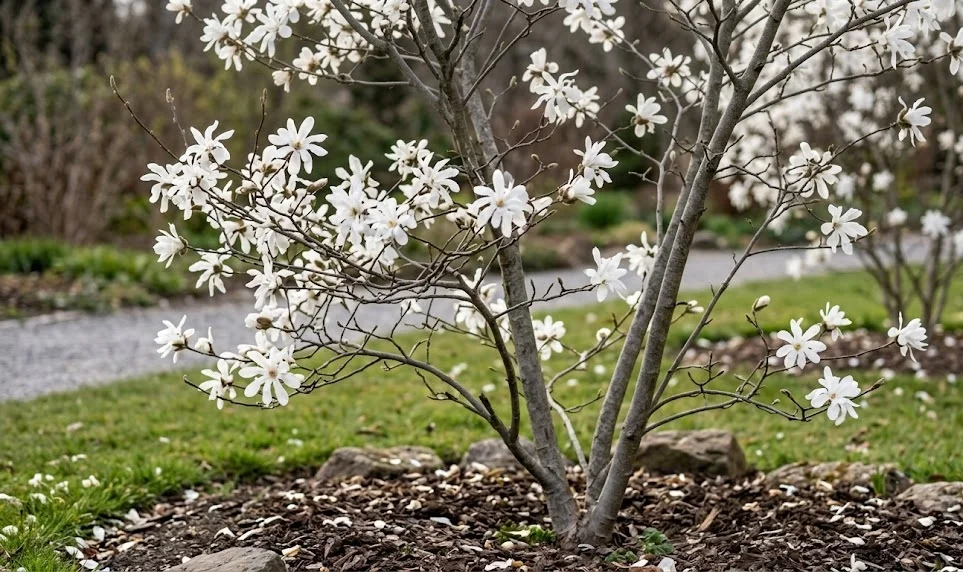
The first few waterings of the spring are essential for helping the tree “wake up” and begin the energy-intensive process of flowering. As the ground warms up, the roots will become active and will need moisture to push the sap up into the highest branches of the canopy. You will soon see the furry buds begin to open, revealing the stunning white flowers that make all your winter preparation work worthwhile. The transition from the grey of winter to the white of the magnolia blossoms is one of the most rewarding moments in the garden.
Finally, take a moment to reflect on how your wintering strategies worked and what you might do differently in the future. Every winter is a unique learning experience that helps you become more in tune with the needs of your specific garden and its plants. By providing consistent and thoughtful care throughout the year, you are ensuring that your japanese magnolia remains a healthy and vibrant presence. The beauty of the spring bloom is a direct result of the quiet work you did during the coldest months of the year.