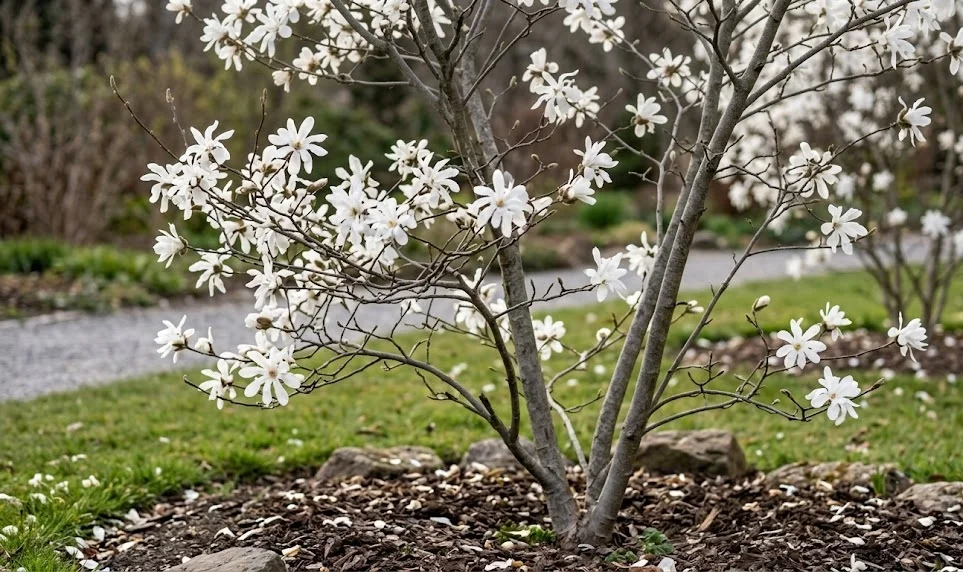

The art of pruning is essential for maintaining the structural integrity and the aesthetic beauty of this magnificent flowering tree over its long life. While the magnolia naturally grows into a pleasing shape, strategic intervention can help prevent problems and encourage a more prolific display of flowers. Pruning is not just about removing wood; it is about directing the tree’s energy and ensuring that light and air can reach all parts of the canopy. In this article, we will discuss the professional techniques and timing required to keep your tree in peak condition.
Timing is the most critical factor to consider before you ever pick up a pair of shears or a pruning saw in your garden. This species should always be pruned immediately after it has finished flowering in the late spring or very early summer. Because it forms its flower buds for the next year during the summer months, pruning too late will result in cutting off next year’s potential blossoms. By pruning right after the petals fall, you give the tree plenty of time to grow new wood and set new buds before the winter arrives.
You should always have a clear goal in mind before you start any pruning project, whether it is for health, structure, or simple size control. Removing dead, damaged, or diseased wood is the first priority and can be done at any time of the year to prevent further issues. Beyond that, you should look for branches that are crossing or rubbing against each other, as these can create wounds that invite pests and pathogens. A thoughtful approach to pruning results in a tree that looks natural and healthy rather than over-managed or stressed.
Using the correct tools and keeping them sharp and clean is a fundamental requirement for any successful pruning task you undertake. A clean cut with a sharp tool heals much faster and is much less likely to become infected than a jagged or crushed wound from a dull blade. You should also take the time to sterilize your tools between different plants to avoid spreading any potential diseases throughout your entire garden. This professional attention to detail is what ensures the long-term health and vigor of your japanese magnolia and all its neighbors.
Mastering the formative pruning of young trees
During the first few years after planting, your primary goal is to establish a strong and well-balanced structural framework for the future of the tree. This is known as formative pruning, and it involves selecting the main structural branches and removing any that might cause problems later on. You should aim for a clear central leader or a few well-spaced main stems, depending on whether you want a tree or a large shrub form. Investing time in formative pruning now will save you from having to make large, stressful cuts once the tree has reached maturity.
More articles on this topic
You should look for branches that have narrow crotch angles, which are inherently weak and prone to splitting as the tree grows larger and heavier. Removing these early on encourages the tree to develop branches with wider, stronger attachments that can better handle the weight of snow and wind. It is much easier and safer for the tree to heal a small wound from a young branch than a large one from a mature limb. Think of yourself as a sculptor, gently guiding the natural growth of the tree into its most stable and beautiful form.
Spacing out the main branches along the trunk is also important for ensuring that each part of the canopy receives enough light and air for healthy growth. You want to avoid clusters of branches all growing from the same point, which can lead to congestion and increased disease risk in the future. By carefully choosing which branches to keep, you are creating a more open and resilient structure that will support the massive weight of the spring blossoms. This early work is the foundation upon which the entire future beauty of the tree will be built.
Be careful not to over-prune young trees, as they need their leaves to generate the energy required for root development and overall growth. A good rule of thumb is to never remove more than about 15 to 20 percent of the total canopy in a single year during the early stages. You want to provide just enough guidance to ensure a good shape without slowing down the tree’s natural momentum and its transition into the landscape. Patience and a light touch are the hallmarks of an expert gardener working with young woody plants.
Maintaining the health and beauty of mature specimens
As your magnolia reaches maturity, the focus of your pruning efforts will shift from shaping to maintenance and the preservation of its natural majesty. You should continue to perform an annual inspection for any dead wood or branches that have been damaged by winter storms or high winds. Removing these sections promptly keeps the tree looking tidy and prevents opportunistic fungi from gaining a foothold in the dead tissue of the plant. A well-maintained mature tree is a testament to the care and attention it has received over many decades in the garden.
More articles on this topic
Thinning out the interior of the canopy can be very beneficial for a mature tree, as it allows more light to reach the inner branches and improves air circulation. This reduced humidity within the crown helps prevent many common leaf spot diseases and encourages more uniform flowering throughout the entire tree. You should focus on removing the small, weak, and spindly growth that often accumulates in the center of the tree where light is most limited. This “cleaning” of the interior makes the main structure of the tree more visible and appreciative even during the winter months.
If the tree has grown too large for its space, you can perform some light reduction pruning to bring it back into a more manageable size for your garden. However, you should avoid “topping” the tree, which involves cutting off the main branches at a random point and leaving ugly stubs. This practice leads to an explosion of weak, unattractive water sprouts and can seriously damage the health and the natural beauty of the magnolia. Instead, use thinning cuts that remove entire branches back to their point of origin or to a large side branch.
Regenerative pruning is sometimes necessary for older trees that have become very sparse or have lost their vigor over the years. This involves a more significant thinning of the old wood to encourage the growth of new, more productive branches from the base or the main trunk. While this can be a more drastic measure, it can often breathe new life into a declining specimen and extend its lifespan for many more years of enjoyment. Always consult with a professional arborist if you are unsure about making large or significant cuts on a very old and valuable tree.
Essential tool hygiene and safety considerations
Working with pruning tools requires a high level of respect for safety, both for yourself and for the living tree you are working on. Always wear gloves and eye protection to guard against sharp branches and any debris that might fall from the canopy as you work. For larger branches that require a saw, make sure you have a stable footing and never prune from a ladder if the work is beyond your comfortable reach. Safety is paramount, and there is no shame in calling a professional for any work that feels risky or physically demanding.
Keeping your blades sharp is not just about making the work easier for you; it is about the health of the tree and its ability to heal properly. A sharp cut leaves a smooth surface that the tree can quickly cover with callus tissue, sealing the wound against potential pathogens in the environment. Dull tools cause tearing and crushing of the delicate cambium layer, leading to slow healing and an increased risk of rot or insect infestation. Take the time to hone your shears and saws regularly to ensure they are always ready for the task at hand.
Disinfecting your tools is a simple but vital step that prevents the spread of diseases like bacterial leaf scorch or various fungal cankers. You can use a solution of 70 percent isopropyl alcohol or a specialized garden disinfectant to wipe down your blades between every single tree. This is especially important if you are pruning a tree that you suspect might already be struggling with some kind of infection or pest issue. Good hygiene is the cheapest and most effective form of plant medicine available to the modern and responsible gardener.
Finally, remember that pruning is a conversation between you and the tree that evolves over the course of many different seasons and years. Observe how the tree responds to your cuts and use that information to refine your technique for the next time you work with it. There is a deep satisfaction in seeing a tree flourish and bloom even more beautifully because of the thoughtful care you have provided. Your dedication to the details of pruning will ensure that your japanese magnolia remains a healthy and stunning focal point for generations to come.