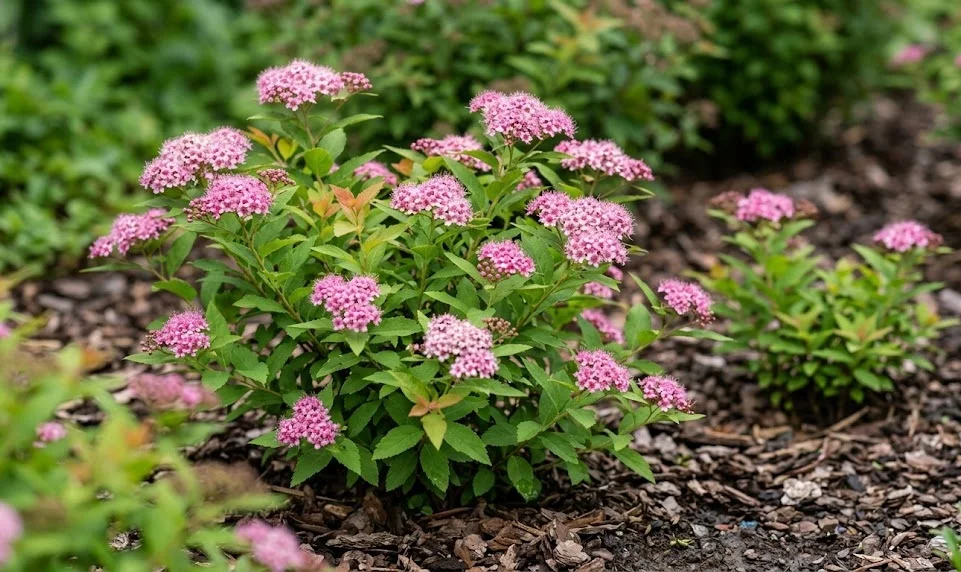

Achieving the perfect balance of hydration and nutrition is the cornerstone of professional Japanese spirea management. These shrubs are relatively hardy, but their ornamental value is greatly enhanced when they are provided with consistent resources. Strategic watering ensures that the plant remains turgid and resistant to environmental stress, while targeted fertilization fuels the growth of vibrant foliage and flowers. By following a structured approach to these two critical tasks, you can ensure your spirea remains a healthy and beautiful part of your landscape for many years.
Establishing a watering routine
The water requirements of Japanese spirea vary significantly depending on the age of the plant and the current weather conditions. Newly planted shrubs require frequent watering to help their root systems integrate with the surrounding soil. You should check the soil moisture daily during the first few weeks, ensuring that the root ball does not dry out completely. Once established, the shrub becomes more drought-tolerant but still benefits from regular irrigation during dry spells.
Deep watering is much more effective than light, frequent sprinkling because it encourages the roots to grow deeper into the earth. When you apply water, aim for the base of the plant rather than the foliage to minimize the risk of fungal diseases. Using a soaker hose or a drip irrigation system is an excellent way to deliver water directly to the root zone efficiently. This professional method reduces water waste and ensures that the moisture reaches the depths where it is needed most.
During the peak of the summer heat, the evaporation rate increases, and the plant may lose moisture faster than it can absorb it. You might notice the leaves drooping slightly in the afternoon, which is a clear signal that the shrub needs additional hydration. It is best to water early in the morning or late in the evening when temperatures are cooler and the sun is less intense. This timing allows the plant to absorb the moisture before it evaporates from the soil surface.
The soil type in your garden also plays a major role in how often you should water your Japanese spirea. Sandy soils drain quickly and will require more frequent applications of water to keep the plant healthy. In contrast, clay soils hold moisture for much longer, and overwatering in these conditions can lead to root rot. Testing the soil with your finger before watering is a simple but effective way to determine if irrigation is truly necessary.
More articles on this topic
Nutrient requirements and fertilization
To produce the characteristic dense foliage and bright flowers, Japanese spirea needs a balanced supply of essential nutrients. Nitrogen is primarily responsible for the lush green growth of the leaves, while phosphorus supports the development of strong roots and vibrant blooms. Potassium helps the plant with overall vigor and its ability to withstand diseases and cold temperatures. Using a balanced, slow-release fertilizer is often the most effective way to provide these elements over a long period.
The timing of fertilizer application is crucial for the health of the shrub and the quality of the flowers. The best time to fertilize is in the early spring, just as the new growth begins to emerge from the buds. This provides the plant with the energy it needs for the rapid expansion that occurs during the spring months. Avoid fertilizing late in the summer or autumn, as this can stimulate new growth that won’t have time to harden off before winter.
Organic fertilizers, such as well-rotted manure or high-quality compost, are excellent alternatives to synthetic products. These materials not only provide nutrients but also improve the overall structure and biological health of the soil. As organic matter breaks down, it releases minerals slowly, which matches the natural growth rate of the spirea. This sustainable approach builds long-term soil fertility and supports a healthy ecosystem within your garden beds.
Applying fertilizer correctly ensures that the plant can access the nutrients without suffering from chemical burns. You should spread the fertilizer evenly around the drip line of the shrub, which is the area directly under the outer edge of the branches. Avoid placing fertilizer directly against the main stems, as this can cause damage to the bark. Always water the area thoroughly after fertilizing to help dissolve the nutrients and carry them down to the root system.
More articles on this topic
Managing water stress and recovery
Water stress can occur when the plant receives too little or too much moisture over an extended period. If the shrub is suffering from drought, you will see crispy leaf edges, yellowing foliage, and premature flower drop. To help a drought-stressed spirea recover, you should provide a deep, slow soak and then apply a fresh layer of mulch to conserve moisture. It may take several days or even weeks of consistent care for the plant to fully regain its vitality.
On the other hand, overwatering is equally dangerous and can be harder to diagnose until significant damage has occurred. Symptoms of waterlogged soil include wilting leaves that are not crispy, a foul smell from the soil, and a general lack of new growth. If you suspect overwatering, you must stop all irrigation immediately and check the drainage of the site. Improving the soil structure or redirecting water flow may be necessary to save a shrub that is sitting in saturated ground.
Mulching is a professional’s best tool for managing soil moisture and protecting the root system from extreme fluctuations. A two- to three-inch layer of wood chips or shredded bark acts as an insulator against the hot sun and drying winds. It also helps to prevent the soil surface from becoming compacted, which allows water to penetrate more easily. Regularly replenishing the mulch layer ensures that these benefits continue throughout the entire growing season.
Monitoring the weather forecast allows you to adjust your watering and fertilization schedule proactively. If heavy rain is expected, you can skip a scheduled watering and delay fertilizer application to prevent runoff. Conversely, if a heatwave is predicted, a deep watering session beforehand can give the plant a reservoir to draw from during the peak temperatures. This level of attention to detail is what separates a thriving professional garden from a struggling one.
Fertilization for specific cultivars
Some varieties of Japanese spirea have been bred specifically for their intense foliage color, which can be influenced by nutrition. For example, golden-leaved varieties may lose some of their brilliance if they are given too much nitrogen, which can turn them more green. In these cases, a slightly lower nitrogen fertilizer may be more appropriate to maintain the desired aesthetic. Knowing the specific characteristics of your cultivar allows you to tailor your fertilization strategy for maximum visual impact.
The size of the shrub also dictates the amount of fertilizer required for optimal health. Smaller, dwarf varieties need much less nutritional input than larger, more vigorous types that fill a larger space. Over-fertilizing small plants can lead to an accumulation of salts in the soil, which can damage the delicate root tips. Always follow the application rates recommended on the product label, adjusting based on the size and age of your individual plants.
If your spirea is growing in a container, its nutrient and water needs will be much higher than if it were in the ground. Containers have a limited volume of soil, which dries out faster and loses nutrients through leaching every time you water. You should use a liquid fertilizer every few weeks during the growing season to keep container-grown shrubs looking their best. Ensure the pots have adequate drainage holes to prevent the roots from becoming waterlogged during frequent watering.
Observing the plant’s response to your fertilization program is the best way to determine its effectiveness. If the growth is vigorous and the flowers are plentiful, your current routine is likely working well. However, if the plant looks stunted or the leaves are pale, you may need to increase the frequency or change the type of fertilizer. A professional gardener is always learning from the plants and making small adjustments to achieve the best possible results.
Environmental impact and sustainability
Practicing responsible watering and fertilization is not only good for your plants but also for the wider environment. Over-applying fertilizers can lead to nutrient runoff, which can contaminate local waterways and harm aquatic life. By using slow-release products and applying them only when needed, you minimize this risk significantly. Choosing organic options whenever possible further reduces the chemical footprint of your gardening activities.
Conserving water through efficient irrigation techniques is a critical part of sustainable landscape management. Drip systems and soaker hoses deliver water directly to the roots with very little loss to evaporation or wind. Grouping plants with similar water needs together, a practice known as hydrozoning, allows you to water more effectively. This ensures that your Japanese spirea receives exactly what it needs without wasting a precious resource.
The use of recycled organic materials, such as composted garden waste, creates a closed-loop system in your garden. By returning nutrients from your own yard back into the soil, you reduce the need for external inputs. This not only saves money but also builds a more resilient and self-sustaining soil ecosystem over time. Healthy soil is the best defense against many of the problems that can plague Japanese spirea and other garden plants.
Education and observation are the final components of a professional approach to plant care. Understanding the biology of your shrubs and the chemistry of your soil empowers you to make informed decisions. By treating each plant as an individual and responding to its specific needs, you create a garden that is both beautiful and environmentally sound. This holistic view of gardening ensures that your Japanese spirea will flourish for many years to come.