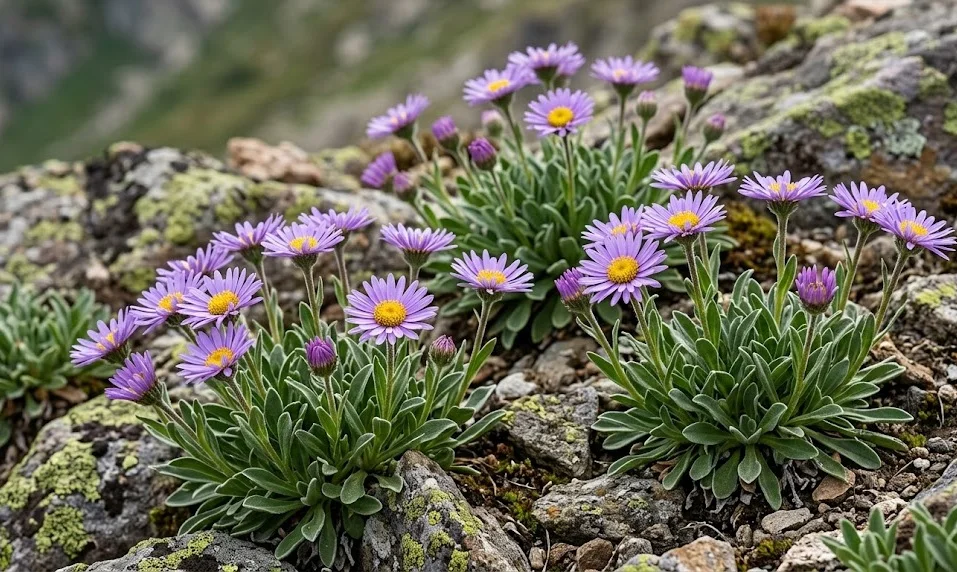

Preparing your alpine aster for the winter months is a critical part of ensuring its survival and health for the next season. While these plants are naturally cold-hardy, the conditions in a garden can be very different from their native mountain peaks. You should focus on managing the moisture levels around the crown to prevent rot during the cold, damp periods. A few simple steps in the late autumn can make the difference between a thriving plant and one that fails to return.
As the temperatures begin to drop, you will notice the plant’s growth slowing down and the foliage starting to fade. This is a natural signal that the aster is moving its energy into the roots for winter storage. You should resist the urge to fertilize at this time, as any new growth would be too tender to survive the frost. Instead, focus on cleaning up the surrounding area to remove any hiding places for overwintering pests or diseases.
One of the most important tasks is to check the drainage of the site before the ground freezes. Alpine plants are much more likely to die from “wet feet” during the winter than from the cold itself. If you notice any areas where water is pooling, you might need to add more grit or create a small drainage channel. Ensuring that the crown of the plant stays relatively dry is the key to a successful overwintering strategy.
You should also take this time to inspect the plant for any signs of late-season pests that might try to hide in the rosette. Removing any dead or diseased leaves now will prevent them from rotting against the healthy parts of the plant during the winter. A clean, well-drained site is the best environment for a dormant alpine aster. By being proactive, you are giving your plants the best possible protection against the challenges of the winter season.
Mulching and winter protection
While the alpine aster is adapted to cold, a light layer of winter mulch can provide extra protection against temperature fluctuations. You should use a mineral-based mulch, such as fine gravel or stone chips, rather than organic materials like bark or straw. Mineral mulch helps insulate the roots while allowing moisture to drain away quickly from the crown. This mimics the protective layer of scree or snow that the plants would experience in the wild.
More articles on this topic
In areas with particularly harsh winters or frequent freeze-thaw cycles, additional protection might be necessary. You could place a few evergreen branches over the clump to provide a bit of shelter without cutting off air circulation. This helps to stabilize the soil temperature and prevents the plant from being “heaved” out of the ground by the frost. Avoid using heavy plastic covers, as these can trap moisture and cause the plant to rot.
Snow can actually be a very effective natural insulator for alpine plants, protecting them from the drying effects of winter winds. If you live in an area with reliable snowfall, you can simply let the snow pile up over your aster beds. The snow keeps the temperature around the plant steady and provides a slow source of moisture as it melts in the spring. It is often the lack of snow cover, combined with cold winds, that causes the most damage to these perennials.
If you are growing your alpine asters in containers, they will need a bit more attention during the winter. The roots in a pot are much more exposed to the cold than those in the ground. You might consider wrapping the pots in burlap or bubble wrap, or moving them to a more sheltered spot near a building. Ensuring the pots are raised off the ground will also help with drainage and prevent the roots from freezing solid for long periods.
Managing winter drainage and moisture
Controlling moisture is perhaps the most challenging part of overwintering any alpine species in a lowland garden. You should avoid watering your plants during the dormant season unless there is an absolute drought and the ground is not frozen. Natural precipitation is usually more than enough to keep the dormant roots hydrated. Excess water during the winter can lead to fungal infections that destroy the plant from the inside out.
More articles on this topic
If your garden is prone to heavy winter rains, you might consider creating a temporary “roof” for your most sensitive alpine plants. A simple pane of glass or clear plastic supported by bricks can keep the worst of the rain off the crown while allowing for plenty of air movement. You must ensure that the cover is secure and won’t blow away in the wind. This technique is often used by alpine specialists to keep their prize specimens in perfect condition.
Keeping the area around the base of the plant free from fallen leaves from nearby trees is also essential. A thick mat of wet leaves can quickly smother an alpine aster and create a perfect environment for rot and slugs. You should check your garden beds regularly after windy autumn days and clear away any accumulated debris. A clean surface allows the soil to breathe and dry out more quickly after a winter storm.
The structure of the soil itself plays a major role in how well the plant manages winter moisture. If you have prepared the bed with plenty of grit and sand, the water should move through the profile effortlessly. If the soil has become compacted over the summer, a gentle loosening of the top layer before winter can help. Taking these steps ensures that the plant stays in a healthy, dormant state until the warmth of spring arrives.
Spring awakening and recovery
The transition from winter to spring is an exciting time as you watch for the first signs of life in your alpine asters. You will see new, bright green shoots emerging from the center of the rosette as the soil begins to warm up. This is the time to remove any winter protection you have used, such as evergreen branches or temporary covers. Doing this gradually will help the plant acclimate to the increasing light levels and changing temperatures.
As the ground thaws, you should check your plants for any signs of frost heaving, where the roots have been pushed out of the soil. If this has happened, gently press the plant back into the earth and add a little more soil or grit around the base. It is important to do this as soon as possible to prevent the exposed roots from drying out in the spring winds. A light watering can help settle the soil around the relocated roots.
Once the new growth is well established, you can perform a final spring cleanup to remove any remaining dead foliage from the previous year. This not only makes the plant look better but also improves air circulation for the new season. You should also look for any pests that might be waking up along with the plants, such as early-season aphids or slugs. Catching these early ensures that your asters can focus all their energy on producing beautiful flowers.
If the plant looks a bit tired or small after a particularly tough winter, a very light application of balanced fertilizer can provide a helpful boost. However, you should wait until you see active growth before adding any nutrients. Most alpine asters are incredibly resilient and will recover quickly once the days become longer and warmer. With the right winter care, your garden will soon be filled with the iconic blooms of these mountain treasures once again.