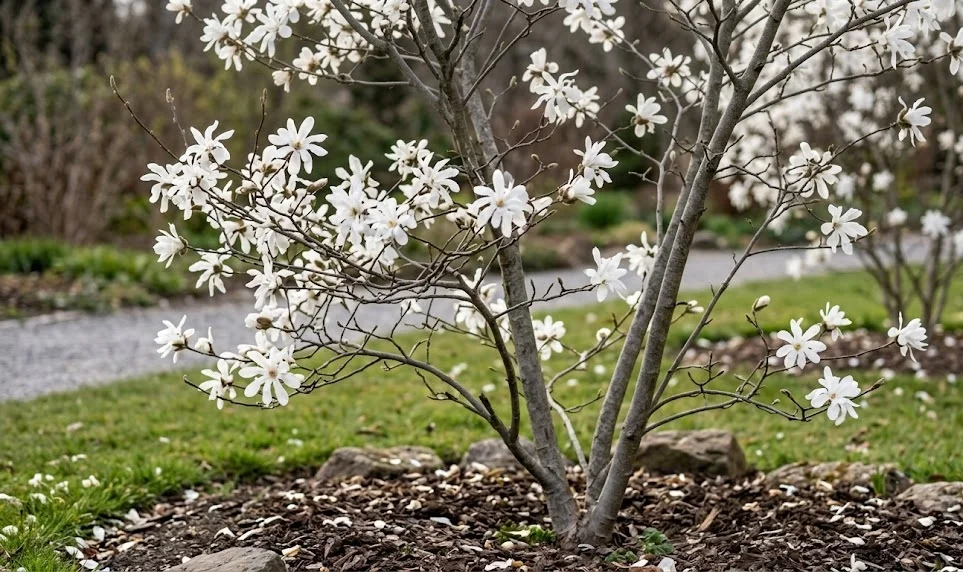

Keeping your magnolia healthy requires a vigilant eye for the various biological challenges that can arise in any diverse garden ecosystem. While this species is relatively robust, it is not entirely immune to the pressures of fungal pathogens, bacteria, and hungry insects. Understanding the signs of trouble early on can mean the difference between a minor issue and a life-threatening condition for your tree. In this article, we will examine the most common threats and discuss professional strategies for both prevention and treatment.
Most diseases in the garden are driven by environmental conditions, particularly the combination of high humidity and poor air circulation. Fungal spores are always present in the air, waiting for the right moment of moisture and warmth to colonize the leaves and branches. By managing the space around your tree and ensuring it has plenty of light, you can naturally reduce the risk of many common problems. A healthy, stress-free tree is always much more capable of defending itself against invaders than one that is struggling.
Pests, on the other hand, are often more visible and can cause direct physical damage to the foliage and the soft growing tips of the branches. Some insects are merely a cosmetic nuisance, while others can transmit viral diseases or seriously weaken the tree by sucking out its vital sap. It is important to identify exactly what you are dealing with before you decide on a course of tactical action in your garden. Indiscriminate use of pesticides can often do more harm than good by killing off the beneficial insects that help keep the pests in check.
Regular inspections of the trunk, the underside of the leaves, and the new spring growth should be a standard part of your maintenance routine. Look for unusual spots, sticky residues, or signs of chewing that don’t belong on a healthy specimen in your landscape. If you catch a problem when it is limited to just one or two branches, you can often solve it with simple physical removal. Staying proactive is the best way to ensure your japanese magnolia remains a stunning and healthy part of your outdoor space.
Identifying and managing common fungal pathogens
One of the most frequent fungal issues you might encounter is powdery mildew, which looks like a fine white dust covering the surface of the leaves. While it rarely kills a mature tree, it can significantly reduce the tree’s ability to photosynthesize and can make the foliage look very unattractive. This fungus thrives in warm, humid weather when the nights are cool and the days are hot and still. Improving air flow through judicious pruning and avoiding overhead watering can help keep this persistent fungus at bay.
More articles on this topic
Leaf spot diseases are another common concern, appearing as small brown or black circles that can eventually merge and cause the leaf to drop. These spots are often caused by various fungal species that overwinter in fallen leaves and reinfect the tree during the next rainy spring. The most effective way to manage leaf spot is to practice good garden hygiene by removing and destroying any infected foliage. If the problem becomes severe, a targeted application of a copper-based fungicide may be necessary to protect the new growth.
Canker diseases can be more serious because they affect the woody tissue of the branches and the main trunk of the tree. They often appear as sunken, discolored areas of bark that can eventually girdle a branch and cause everything beyond it to die. Cankers often enter the tree through wounds caused by improper pruning, storm damage, or lawnmowers that get too close to the base. Pruning out infected branches well below the site of the canker is usually the best way to stop the spread of this structural disease.
Root rot is a hidden danger that occurs underground and is almost always linked to poor drainage or excessive watering in the garden. The leaves of a tree with root rot will often turn yellow and wilt even if the soil appears to be wet. By the time the symptoms are visible above ground, the damage to the root system is often quite extensive and difficult to reverse. Prevention through proper site selection and soil preparation is the only truly effective way to deal with this devastating soil-borne pathogen.
Recognizing and treating bacterial and viral issues
Bacterial leaf scorch is a frustrating condition that mimics the appearance of drought stress, with the edges of the leaves turning brown and brittle. This disease is caused by bacteria that live in the tree’s water-conducting tissues and prevent moisture from reaching the outer canopy. It is often spread by small insects like leafhoppers that move from plant to plant as they feed on the sap. Unfortunately, there is no simple cure for this condition, so maintaining the overall health of the tree is the best defense.
More articles on this topic
Crown gall is another bacterial problem that causes unusual, warty growths to appear at the base of the trunk or on the roots. These galls can disrupt the flow of water and nutrients and can eventually stunt the growth of young, developing trees. The bacteria that cause crown gall live in the soil and can enter the plant through even the smallest of wounds or scratches. Avoid planting new magnolias in areas where this disease has been known to occur in the past to protect your new investments.
Viral infections are less common in magnolias than in some other garden plants, but they can still cause unusual mottling or distortion of the leaves. Once a tree is infected with a virus, it is usually a permanent condition that cannot be cured with any sprays or soil treatments. Most viruses are spread by sap-sucking insects or through the use of contaminated pruning tools during regular maintenance. Keeping your tools clean and managing pest populations are the primary ways to prevent the introduction of viral pathogens to your garden.
Sooty mold is not a disease of the tree itself, but it is a sign that you have a significant insect problem somewhere in the canopy. This black, crusty fungus grows on the sticky “honeydew” excreted by pests like scale insects, aphids, and whiteflies as they feed. While the mold itself is harmless, it can block sunlight from reaching the leaves and is a clear indicator that the tree is being stressed by pests. Solving the insect problem will naturally cause the sooty mold to disappear as its food source is removed.
Dealing with sap sucking and leaf eating insects
Scale insects are among the most persistent pests for this species, often appearing as small, immobile bumps on the bark or the leaves. They hide under a protective waxy shell that makes them very difficult to kill with standard contact pesticides once they are mature. These insects drain the energy of the tree by feeding on its sap, which can lead to branch dieback and a general loss of vigor. Using horticultural oils in the late winter or early spring can help smother the overwintering scales before they become active.
Aphids are small, soft-bodied insects that congregate on the tender new growth and the underside of the leaves in the spring. They can reproduce incredibly quickly, leading to large colonies that can cause the leaves to curl and become misshapen. While a few aphids are usually not a problem, a large infestation can weaken young trees and produce large amounts of sticky honeydew. A strong blast of water from a garden hose is often enough to dislodge most of the colony without using any chemicals.
Magnolia borers are the larvae of certain beetles that tunnel into the wood of the branches and the main trunk of the tree. Their tunneling activity disrupts the flow of water and can cause entire sections of the canopy to wilt and die unexpectedly. You might notice small holes in the bark or sawdust-like material, known as frass, accumulating at the base of the tree. Keeping your tree healthy and avoiding wounds to the bark are the best ways to discourage these destructive wood-boring insects from attacking.
Japanese beetles and other leaf-eating insects can sometimes skeletonize the foliage during the height of the summer season. While a healthy mature tree can usually withstand some leaf damage, it can be very distressing for the gardener to see their beautiful tree under attack. Hand-picking the beetles in the early morning when they are sluggish is a safe and effective way to manage small populations. For larger outbreaks, you might need to use a targeted biological control or a repellent to protect the most important branches.
Addressing environmental and physiological disorders
Not every brown leaf or stunted branch is the result of a biological pathogen; sometimes the environment itself is the culprit. Winter injury, caused by extreme cold or drying winds, can lead to the death of flower buds or the browning of the bark. This is especially common in young trees that have not yet developed a thick, protective layer of bark to insulate their sensitive inner tissues. Providing some physical protection during the first few winters can prevent these environmental issues from occurring in your garden.
Nutrient deficiencies, which we discussed in the previous section, can often be mistaken for diseases by the untrained eye in the garden. Yellowing leaves can look like a viral infection, while brown edges can be confused with bacterial leaf scorch or fungal leaf spot. This is why it is so important to look at the whole picture, including the soil, the watering schedule, and the recent weather patterns. A systematic approach to diagnosis will prevent you from applying unnecessary treatments that might further stress the tree.
Sunscald is a condition where the bark on the southwest side of the tree becomes damaged by the combination of winter sun and freezing temperatures. The sun warms the bark during the day, causing the cells to wake up, only for them to be killed when the temperature drops rapidly at night. This results in long, vertical cracks or patches of dead bark that can provide an entry point for more serious fungal and bacterial diseases. Wrapping the trunks of young trees with a light-colored tree wrap can reflect the sun and prevent this from happening.
Herbicide damage is a modern garden problem that occurs when chemicals used on nearby lawns or paths drift onto the leaves of the magnolia. This can cause the leaves to become twisted, thickened, or unusually colored in a way that looks very much like a viral disease. Be extremely careful when using any weed killers in the vicinity of your trees, especially on windy days when the mist can travel quite far. Always read the labels carefully to understand the risks to non-target plants like your beautiful japanese magnolia.
Developing a comprehensive tree health strategy
The most effective way to manage diseases and pests is to build a garden that supports a healthy and balanced ecosystem of life. By choosing the right site, providing proper water and nutrition, and practicing good hygiene, you are doing 90% of the work already. Healthy trees have complex chemical defenses that they use to repel insects and fight off fungal infections before they can take hold. Your role as a gardener is to be the facilitator of these natural processes rather than a constant interventionist.
Encouraging beneficial insects, such as ladybugs, lacewings, and parasitic wasps, will provide you with a natural “security force” against common pests like aphids. You can do this by planting a wide variety of flowers and avoiding the use of broad-spectrum pesticides that kill everything in their path. A garden that is full of life is much more resilient and requires much less maintenance than a sterile, chemically-dependent landscape. This holistic approach is better for the tree, the environment, and your own peace of mind as a gardener.
When you do need to use a treatment, always start with the least toxic option first, such as horticultural oils, insecticidal soaps, or biological controls. These products are effective against many common problems while having a much lower impact on the surrounding environment and beneficial organisms. Always apply treatments at the right time of year and under the right weather conditions to maximize their effectiveness and safety. Education is your most powerful tool in the fight against garden diseases and pests.
Finally, remember that perfection is not a realistic or necessary goal for a living organism like a japanese magnolia in the wild. A few spots on the leaves or a bit of chewing from an insect won’t harm the long-term health or beauty of your tree. Focus on the big picture and the overall vitality of the plant rather than worrying about every minor cosmetic imperfection you might see. By following these professional guidelines, you can enjoy the stunning presence of your magnolia for many healthy and happy decades to come.