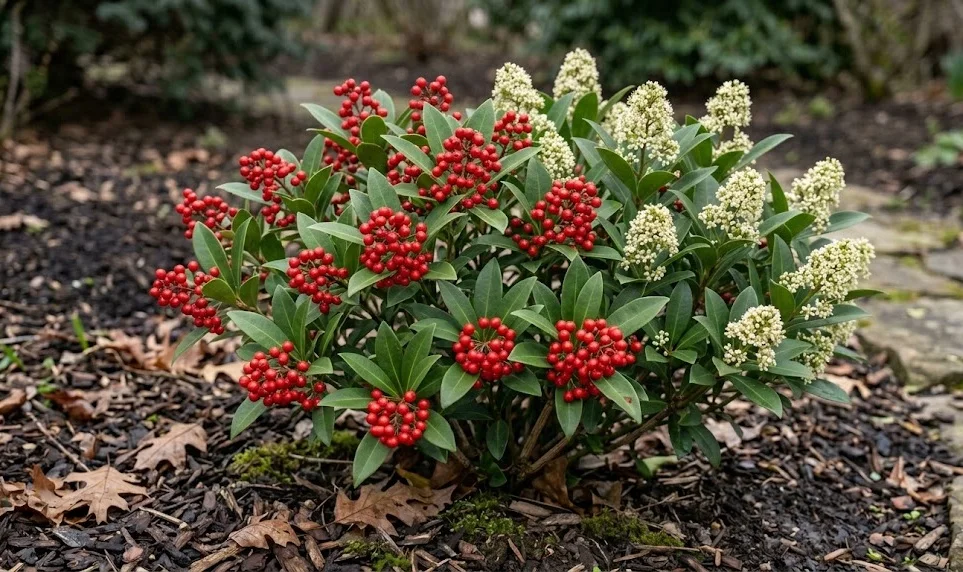

Maintaining the health of Japanese skimmia requires a vigilant eye for the various biological threats that can compromise its aesthetic and structural integrity. While this evergreen shrub is generally hardy, it is susceptible to several specific pests and fungal issues that thrive in certain environmental conditions. Professional gardeners understand that prevention is the most effective tool, but they are also prepared to intervene with targeted treatments when necessary. By identifying the early signs of distress, you can protect your plants from long-term damage and ensure they remain a vibrant part of your garden.
One of the most persistent pests encountered by skimmia owners is the red spider mite, which thrives in warm and dry conditions. These tiny arachnids are often difficult to see with the naked eye, but their presence is revealed by a fine stippling or bronzing on the leaves. If left untreated, the mites can cause significant defoliation and weaken the overall health of the shrub. You can often prevent an infestation by keeping the humidity levels high and ensuring the plant is not subjected to excessive drought stress.
Scale insects are another common problem, appearing as small, waxy bumps on the stems and the undersides of the leaves. These pests feed on the sap of the plant, which can lead to stunted growth and a general lack of vigor. They also excrete a sticky substance known as honeydew, which can attract ants and provide a medium for the growth of sooty mold. Regularly inspecting the interior of the shrub, where air circulation is lower, will help you spot these insects before they colonize the entire plant.
Fungal diseases, such as leaf spot or root rot, often occur when the environmental conditions are too damp or when the soil drainage is poor. These issues typically manifest as dark, unsightly patches on the foliage or a sudden wilting of the branches. Managing the microclimate around the plant by ensuring adequate spacing and proper watering techniques is the best way to keep these pathogens at bay. If a fungal infection does take hold, prompt action is required to stop it from spreading to neighboring plants in the border.
Management of mite and insect infestations
When dealing with a red spider mite infestation, the first step is to increase the moisture levels around the foliage. You can do this by regularly misting the leaves with water or by improving the mulch layer to keep the ground cool and damp. For more severe cases, using an insecticidal soap or a specialized horticultural oil can be very effective at smothering the mites and their eggs. It is important to apply these treatments to both the tops and the undersides of the leaves to ensure full coverage.
More articles on this topic
For scale insects, the treatment approach depends on the severity of the infestation and the time of year. During the “crawler” stage, when the young insects are mobile, they are much more vulnerable to contact insecticides or soaps. If the scales have already developed their protective waxy shells, you may need to physically remove them using a soft brush or a damp cloth. In extreme cases, pruning away heavily infested branches might be the most practical solution to save the rest of the shrub.
Vine weevils are another pest that can cause devastating damage, particularly to the root systems of container-grown skimmia. The adult weevils chew notches in the edges of the leaves, which is a clear signal that their larvae may be present in the soil. The larvae are the real danger, as they consume the roots, often leading to the sudden collapse of the entire plant. Using biological controls, such as beneficial nematodes, is a professional and environmentally friendly way to eliminate the larvae from the potting mix.
Aphids can occasionally appear on the tender new growth in the spring, causing the leaves to curl and become distorted. These small, soft-bodied insects are usually easy to control with a strong blast of water from a garden hose or a simple soap spray. Encouraging natural predators, such as ladybugs and lacewings, into your garden provides a long-term biological solution to aphid problems. By maintaining a diverse garden ecosystem, you reduce the likelihood of any single pest population reaching damaging levels.
Identifying and treating fungal pathogens
Leaf spot diseases are often caused by various species of fungi that thrive during periods of high humidity and cool temperatures. You will notice small, circular spots on the leaves that may be brown, black, or even purple in color. If the infection is mild, simply removing and destroying the affected leaves can prevent the spores from spreading further. Avoid overhead watering, as wet foliage provides the perfect environment for fungal spores to germinate and infect new tissue.
More articles on this topic
Powdery mildew can sometimes affect skimmia, although it is less common than on other ornamental shrubs. It appears as a white, flour-like coating on the surface of the leaves and can cause them to become stunted or distorted. This fungus usually occurs when the air is humid but the soil is dry, creating a specific type of stress for the plant. Improving air circulation by thinning out some of the internal branches can help keep the foliage dry and less susceptible to mildew.
Phytophthora root rot is a much more serious condition that is almost always linked to waterlogged soil or poor drainage. The first signs are often a general yellowing of the foliage and a lack of new growth, followed by a sudden wilting of the entire shrub. By the time these symptoms appear, the root system is often severely compromised and difficult to save. Prevention is the only reliable cure; ensure your skimmia is planted in well-drained, acidic soil and avoid overwatering during the dormant season.
Sooty mold is not a direct pathogen of the plant but rather a fungal growth that develops on the honeydew left behind by aphids or scale insects. While it doesn’t feed on the plant tissue, the black coating can block sunlight and reduce the plant’s ability to photosynthesize. To get rid of sooty mold, you must first eliminate the sap-sucking insects that are producing the honeydew. Once the pests are gone, the mold can usually be washed off the leaves with a gentle soap solution and a soft sponge.
Physiological disorders and environmental stress
Sometimes the problems your skimmia faces are not caused by pests or pathogens but by environmental factors. One common issue is winter scorch, which happens when cold winds dry out the leaves while the ground is frozen. The leaf edges turn brown and brittle, giving the plant a ragged and unhealthy appearance in the early spring. You can protect your shrubs from this type of damage by planting them in a sheltered location or using a temporary windbreak during the harshest months.
Chlorosis is a physiological condition where the plant cannot produce enough chlorophyll, leading to pale yellow leaves with green veins. As discussed in other sections, this is usually a result of the soil pH being too high for the plant to absorb iron. While it looks like a disease, it is purely a nutritional issue that can be corrected with soil acidifiers and ericaceous fertilizers. Identifying the difference between chlorosis and a viral infection is key to applying the correct treatment and restoring the plant’s health.
Sunscald occurs when the plant is exposed to direct, intense sunlight, especially during the middle of the day. The leaves will develop bleached, white, or light brown patches that never recover their green color. This is a clear sign that the plant is in a location that is too bright for its woodland-adapted nature. Moving the shrub to a more shaded area or providing temporary shade with other plants is the only way to prevent further damage.
Edema is a less common disorder that happens when the plant absorbs more water than it can transpire through its leaves. This results in small, corky blisters or bumps forming on the undersides of the foliage, which can eventually turn brown. It is usually a sign of high humidity combined with overly wet soil, often seen in greenhouses or during exceptionally rainy seasons. Improving air flow and allowing the soil to dry out slightly between waterings will usually resolve the issue without further intervention.
Preventive measures and integrated pest management
A proactive approach to plant health is the hallmark of professional gardening and ensures the long-term success of your landscape. Always start with high-quality, disease-free plants from a reputable nursery and inspect them thoroughly before bringing them into your garden. Quarantining new additions for a few weeks allows you to spot any hidden pests before they have a chance to spread. This simple step can save you a significant amount of time and effort in the long run.
Maintaining the proper soil environment is your best defense against almost all the problems discussed in this article. A plant that is growing in its ideal conditions of acidic, well-drained soil and partial shade will be naturally more resilient. Stress is often the primary trigger for pest infestations and disease outbreaks, so keeping your skimmia happy is the best form of prevention. Regular mulching and careful watering will go a long way in supporting the plant’s natural immune system.
Integrated Pest Management (IPM) is a strategy that focuses on long-term prevention and uses chemicals only as a last resort. This involves monitoring your plants regularly, encouraging beneficial insects, and using mechanical controls like pruning or hand-picking pests. When a treatment is necessary, start with the least toxic option, such as horticultural soaps or oils, before moving to stronger pesticides. This approach protects the environment and ensures that you are not killing off the very predators that help keep pests in check.
Cleanliness in the garden is another essential component of a professional prevention strategy. Regularly remove any fallen leaves or debris from around the base of the shrub, as these can harbor overwintering pests and fungal spores. Use sterilized tools when pruning to avoid transferring diseases from one plant to another during maintenance. By following these professional guidelines, you can minimize the impact of pests and diseases and enjoy a beautiful, healthy Japanese skimmia for many years.