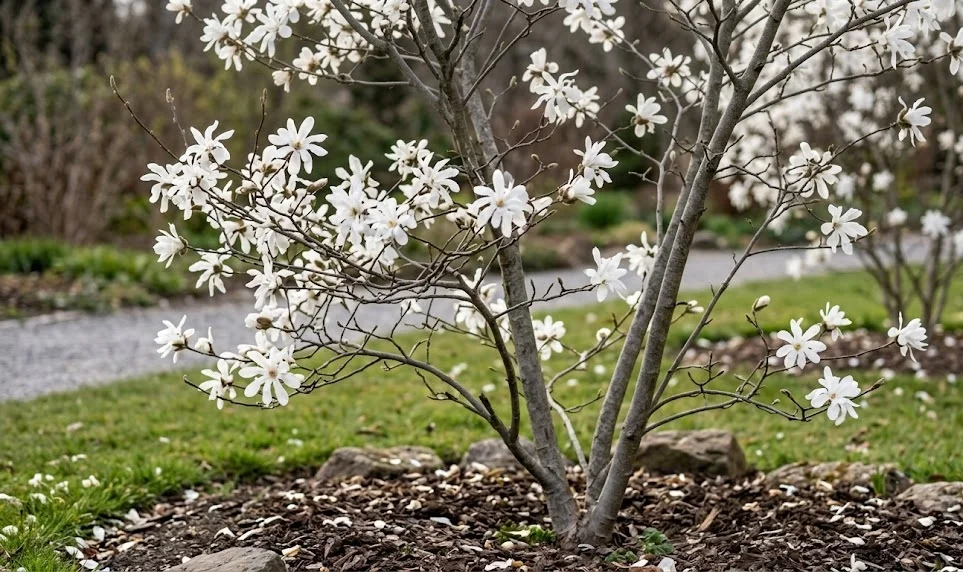

Sunlight is the primary source of energy for every plant in your garden, and understanding how this species utilizes light is essential for its success. This magnolia is quite versatile when it comes to exposure, but there are specific lighting conditions that will produce the most impressive results. Finding the right balance between bright sun and protective shade can make a dramatic difference in both the growth rate and the quality of the flowers. In this article, we will explore the nuances of light management for this ancient and beautiful flowering tree.
In its natural habitat, this tree often grows in forest edges where it receives a mix of direct sunlight and dappled shade throughout the day. In a garden setting, it generally performs best when it is placed in a location that receives full sun for at least six to eight hours. This intensity of light is what fuels the production of the massive number of flower buds that open in the early spring. Without enough light, the tree may still grow, but it will likely produce fewer blossoms and have a more leggy or sparse appearance.
However, the quality of the light is just as important as the quantity, especially in regions with very hot and intense summer climates. The large leaves of the magnolia can be sensitive to scorched by the midday sun if they are not properly acclimated or if the tree is under moisture stress. A location that offers some light afternoon shade can be very beneficial in preventing leaf burn and keeping the plant looking its best all season long. You want to provide an environment where the tree can photosynthesize efficiently without becoming physically stressed by the heat.
The direction of the light also plays a role in how the tree develops its physical structure and its overall symmetry in your landscape. Trees that receive light from only one side will naturally lean and grow more branches in that direction to maximize their energy collection. To maintain a balanced and beautiful crown, it is best to plant the tree in an open spot where light can reach all sides of the canopy. Understanding these solar dynamics helps you choose the perfect permanent home for your tree when you are first designing your garden layout.
Balancing sun exposure and shade tolerance
While the japanese magnolia loves the sun, it also possesses a surprising degree of shade tolerance compared to some other large flowering trees. It can thrive in partial shade, particularly if it still receives a good amount of bright, indirect light for most of the day. This makes it a great choice for gardens with large existing trees or for planting on the edge of a wooded area on your property. In these settings, the tree may grow a bit more slowly, but the flowers will often last longer because they are protected from the drying effects of the direct sun.
More articles on this topic
If you plant your magnolia in too much shade, however, you will notice several distinct changes in its growth habits and its overall health. The branches will become longer and thinner as they reach out in search of better light, leading to a weaker structural framework. You may also find that the leaves are larger but thinner, and the overall density of the foliage is significantly reduced over time. Most importantly, the flowering will be much less spectacular, as the tree simply doesn’t have the energy reserves to produce a massive bloom.
In very sunny locations, you must ensure that the tree has a deep and consistent supply of moisture to help it manage the intense light. The leaves act like solar panels that generate heat as they collect light, and the tree uses water to cool itself down through evaporation. If the water supply is interrupted, the leaves can quickly reach temperatures that cause physical damage to their delicate cellular structure. A well-hydrated tree in full sun is a powerhouse of growth, while a dry tree in the same spot will quickly begin to struggle and decline.
You can use the surrounding landscape to create a dynamic lighting environment that changes throughout the day for your tree’s benefit. For example, planting on the east side of a building provides bright morning sun while offering protection from the harshest afternoon rays. This “cool” light is ideal for many flowering species, as it provides plenty of energy without the extreme heat that comes later in the day. Observation of your garden’s light patterns during different seasons will give you the best information for making these strategic planting decisions.
Light’s impact on flowering and seasonal development
The relationship between light and the flowering cycle of the japanese magnolia is one of the most fascinating aspects of its biology. The tree begins forming its flower buds in the summer, and the amount of sunlight it receives during this time directly determines how many buds will develop. A summer with plenty of clear, sunny days will usually be followed by a particularly spectacular floral display the following spring. This long-term energy storage is why consistent light exposure is so important for the aesthetic performance of your garden centerpiece.
More articles on this topic
The timing of the spring bloom is also influenced by the intensity and duration of the sunlight as the days begin to lengthen in late winter. Sunlight warms the bark and the buds, signaling to the tree that it is time to wake up and begin the flowering process. In a very sunny and warm spot, the tree may bloom several days or even weeks earlier than a tree planted in a cooler, more shaded location. This variability can be used to your advantage if you want to orchestrate a specific sequence of color in your spring garden.
During the autumn, the changing light levels trigger the tree to begin its transition into dormancy and to start the process of leaf senescence. As the intensity of the sun fades, the tree pulls valuable nutrients out of its leaves and stores them in the wood and roots for the winter. This process is essential for the tree’s survival and its ability to bounce back with vigor when the light returns in the spring. A tree that receives proper seasonal light signals will be much more in tune with its environment and better prepared for the challenges of winter.
Finally, remember that the light requirements of your tree may change as it grows larger and begins to cast its own shade on the garden below. A young tree that was once in full sun may eventually become part of a larger canopy that creates a more complex and shaded environment. Regularly assessing the light levels in your garden will help you make necessary adjustments to the surrounding vegetation to keep your magnolia healthy. Light is the lifeblood of your tree, and managing it correctly is one of the most important jobs of any serious gardener.
Assessing light quality in the urban and suburban garden
In urban and suburban settings, the presence of buildings, fences, and other structures can create a very complex lighting environment for your trees. Reflected light from light-colored walls can actually increase the intensity of the sun, which can be both a benefit and a challenge depending on the climate. You might find that a tree planted near a white wall receives much more light than you originally estimated based on the position of the sun. Understanding these reflections allows you to place your tree in a spot where it can truly shine and thrive.
Artificial light from streetlights or garden lighting can also have an impact on the natural cycles of your trees, although the effect is usually subtle. Some studies suggest that constant light at night can interfere with the tree’s ability to sense the changing seasons and its preparation for winter. While this is rarely a major problem for the hardy japanese magnolia, it is something to consider if you are planning a high-tech lighting scheme for your garden. Try to ensure that your trees have a period of natural darkness each night to follow their internal biological clocks.
The shade cast by neighboring properties is another factor that you cannot always control but must certainly account for in your planning process. As trees in nearby yards grow larger, they may eventually block the light that your magnolia has come to rely on for its flowering. Being aware of these long-term trends in your local environment will help you make better decisions about when to prune or when to add new plants. A successful gardener is always thinking several years ahead and considering how the landscape will evolve over time.
In conclusion, the light requirements of the japanese magnolia are a key part of its overall care and should be given careful consideration by every gardener. By providing plenty of bright light while protecting the tree from extreme heat, you are ensuring a healthy and productive life for your plant. The stunning display of white flowers in the spring is the ultimate reward for your thoughtful management of the sun’s energy in your garden. Take the time to observe and learn from your tree, and it will reward you with beauty for many decades to come.