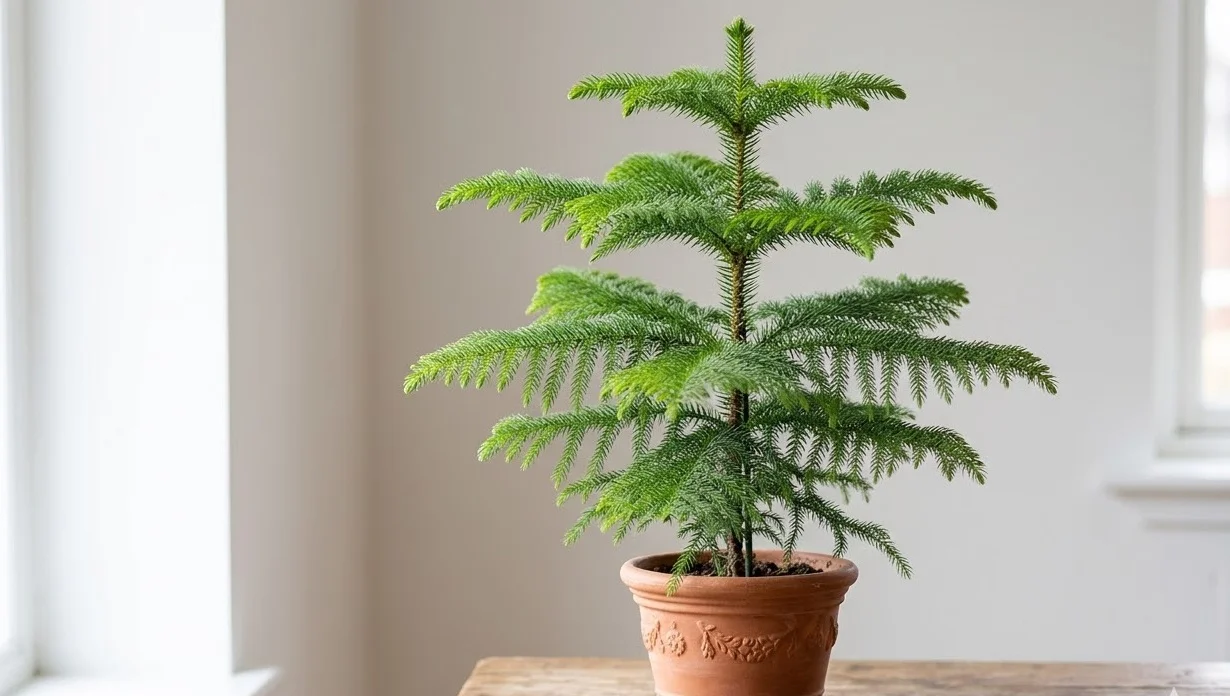

Pruning a Norfolk Island pine is a task that must be approached with extreme caution and a clear plan in mind. Unlike many other ornamental trees, this species does not respond well to aggressive cutting, and mistakes made with the shears can be permanent. The primary goal of pruning should be the removal of dead or damaged material rather than shaping the plant for size. Professional horticulturists treat every cut as a significant event, knowing that the tree’s unique growth habit is easily disrupted by improper technique.
The most important rule to remember is that you should never cut the top of the central leader if you want the tree to continue growing tall. Removing the apical bud will permanently stop the vertical growth and cause the tree to lose its classic pyramidal shape. Once the top is gone, the plant will often try to compensate by growing multiple leaders from the side branches, resulting in a distorted and messy appearance. Only prune the height of the tree if you are intentionally trying to stunt it or if the leader has been severely damaged.
Dead or dying branches at the bottom of the canopy can be removed to improve the overall tidiness and health of the specimen. Use a pair of sharp, sterilized pruning shears to make a clean cut as close to the main trunk as possible without damaging the bark. Removing these lower limbs also improves air circulation within the plant, which helps to prevent the fungal issues discussed in earlier chapters. This type of maintenance pruning is beneficial and can be done at any time of the year.
Tool selection and precision cutting
High-quality tools are essential for making the clean cuts required to ensure the tree heals quickly and correctly. Dull blades can crush the wood fibers and create jagged wounds that are more susceptible to infection by pathogens. You should also ensure that your shears are appropriately sized for the branch you are cutting to provide the necessary leverage. For very small, delicate tasks, a pair of sharp floral snips may be more appropriate than heavy-duty bypass pruners.
Sterilization of your tools between every single plant is a non-negotiable step for any professional gardener. You can use a solution of seventy percent isopropyl alcohol or a mild bleach mixture to wipe down the blades before starting. This prevents the accidental transfer of microscopic spores or bacteria that could lead to disease outbreaks. A clean cut with a clean tool is the best way to ensure that the Norfolk Island pine remains healthy after its pruning session.
More articles on this topic
When you are removing a branch, always look for the branch collar, which is the slightly swollen area where the limb meets the trunk. You should make your cut just outside of this collar to allow the tree’s natural healing tissue to seal the wound effectively. Never leave a long stub, as these will eventually rot and can provide an entry point for pests and diseases. Precision in your cutting technique reflects a professional level of care and respect for the plant’s biology.
Managing aesthetics and long term shape
While you cannot prune for size in the traditional sense, you can make minor adjustments to maintain the tree’s symmetry if one side is growing faster. This is usually done by pinching back the very tips of the fast-growing branches to slow them down and allow the other side to catch up. This light touch is much safer than heavy pruning and respects the delicate balance of the tree’s architecture. Always step back and look at the whole plant from different angles before making even the smallest of cuts.
If a branch has become completely brown and brittle, it is no longer contributing to the life of the tree and should be removed. You can test a suspicious branch by gently scratching the bark with your fingernail to see if there is any green tissue underneath. If the wood is brown and dry all the way through, it is dead and should be pruned away to keep the tree looking its best. Keeping the canopy free of dead material also makes it easier to spot potential pest problems before they spread.
Finally, remember that the Norfolk Island pine is a slow-growing species, and it will take a long time to replace any foliage that you remove. Because of this, the best strategy is always to be conservative with your shears and only cut when absolutely necessary. Your role as a gardener is to guide the plant’s natural beauty rather than trying to force it into a shape that goes against its nature. With a professional and patient approach to pruning, your tree will remain a stunning and symmetrical focal point for many decades.