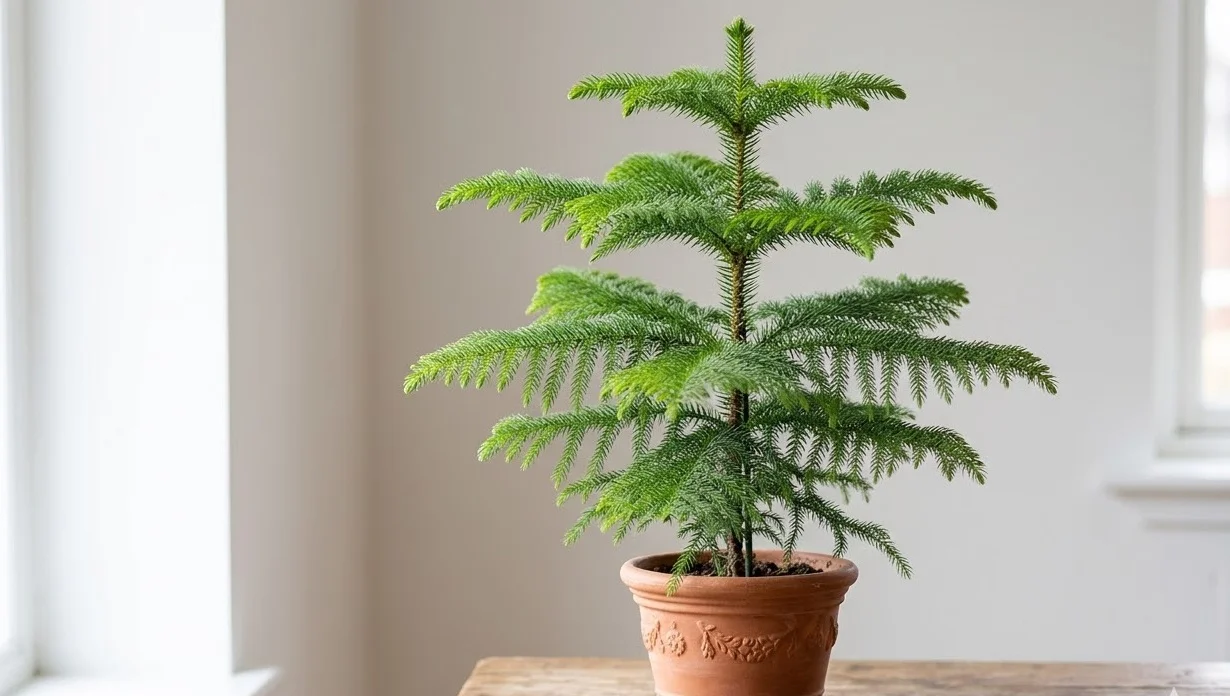

Light is the primary fuel for the Norfolk Island pine, and its availability directly dictates the tree’s growth rate and physical form. In its native habitat, this species grows tall and straight to capture as much sunlight as possible from the open sky. When grown indoors or in a garden setting, replicating this intensity and quality of light is essential for maintaining the plant’s iconic symmetry. Understanding how the tree responds to different light conditions will help you choose the perfect location for it to flourish.
The Norfolk Island pine prefers bright, indirect light for the majority of the day to prevent the needles from being scorched by intense sun. A location near a large window that faces east or west is often ideal, as it provides a few hours of direct light followed by bright ambient conditions. If the light is too dim, the tree will start to stretch, and the distance between the tiers of branches will increase significantly. This leggy appearance is a clear sign that the plant is struggling to produce enough energy for healthy development.
Direct midday sun can be problematic, especially for younger specimens that have not yet developed a thick cuticle on their needles. In the peak of summer, you may need to provide a sheer curtain to diffuse the strongest rays and prevent localized burning. You will know the light is too intense if the needles start to turn a pale yellow or bronze color on the side facing the window. Balancing intensity with duration is the goal for anyone looking to maintain a professional-quality specimen.
Managing light distribution and symmetry
Because these trees are naturally phototropic, they will always grow toward the strongest source of light available in their environment. In an indoor setting where light usually comes from one side, the trunk will eventually develop a permanent lean that ruins its formal aesthetic. To prevent this, you must rotate the container by ninety degrees every week to ensure that all sides receive equal exposure. This simple practice keeps the central leader perfectly vertical and ensures that the branches grow evenly in all directions.
The height of the plant relative to the window also affects how the lower branches receive light and maintain their needles. If the base of the tree is in deep shadow, it will eventually shed its lower limbs to conserve energy for the upper canopy. You can elevate the pot on a stand to ensure that the entire height of the tree is within the light zone of the window. This approach helps to maintain the full, lush appearance from the top of the tree all the way down to the soil line.
More articles on this topic
In large rooms or offices with limited natural light, the Norfolk Island pine may require supplemental illumination to stay healthy over the long term. LED grow lights that provide a full spectrum of light are an excellent investment for maintaining these trees in less-than-ideal spots. These lights should be positioned directly above the tree to mimic the overhead sun and encourage straight vertical growth. Setting the lights on a timer for twelve to fourteen hours a day provides a consistent and reliable energy source.
Adapting to seasonal light changes
As the seasons change, the angle and intensity of the sun shifting through your windows will alter the light profile for your tree. In the winter, you may need to move the plant closer to the glass to compensate for the shorter days and lower light levels. Conversely, in the summer, the same spot might become too hot and bright, requiring you to move the pot a few feet back. Staying observant of these seasonal shifts allows you to make proactive adjustments before the plant shows signs of stress.
Outdoor specimens have a higher tolerance for direct sun once they have been properly acclimated to the environment. If you move an indoor tree outside for the summer, you must do so gradually over a period of two weeks to avoid shocking the foliage. Start with a few hours in a shaded spot and slowly increase the exposure to dappled sunlight and eventually more direct rays. This hardening-off process allows the needles to thicken and prepare for the increased UV radiation found outdoors.
Reflective surfaces near the plant can also play a role in how light is distributed throughout its dense canopy. Light-colored walls or mirrors can help bounce ambient light back onto the darker side of the tree, providing a more uniform environment. While this is not a substitute for a primary light source, it can be a helpful strategy in rooms with limited window space. Every extra bit of light you can provide will contribute to the overall density and color of the foliage.