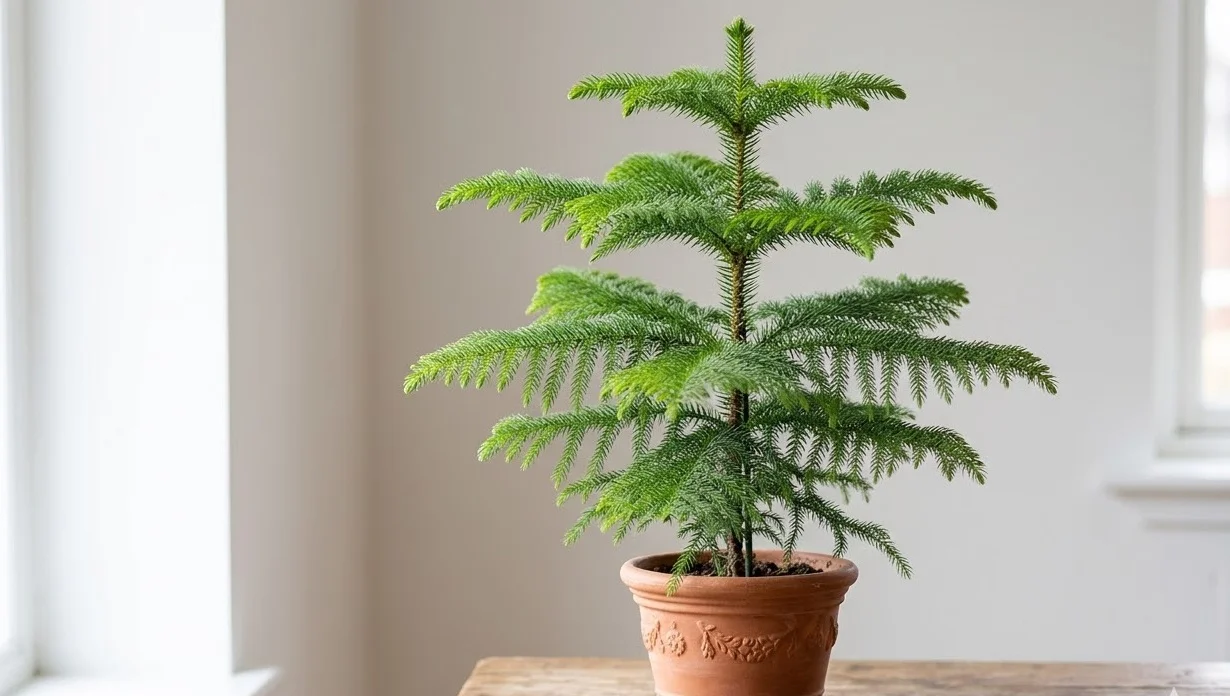

Planting a Norfolk Island pine requires a strategic approach to ensure that the young tree establishes a strong foundation for its future growth. Because these trees are often sold as small decorative plants, many enthusiasts do not realize how much they can expand when given the proper space and substrate. The propagation process is equally intricate, demanding a high level of patience and a controlled environment to be successful. Understanding the biological needs of this species will help you navigate the complexities of both planting and increasing your collection.
The initial planting phase begins with selecting a substrate that balances moisture retention with structural stability for the roots. Professional growers recommend a mix that is slightly acidic, as this mimics the volcanic soil conditions found in the tree’s native habitat. You should ensure that the planting site, whether it is a pot or a garden bed in a frost-free zone, is prepared well in advance. Adding organic matter can improve the nutrient profile while maintaining the porous nature required for healthy root respiration.
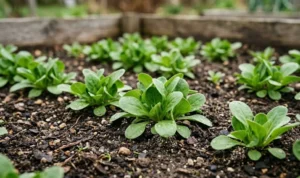
When transferring a seedling into its permanent home, the depth at which it is planted is a crucial factor for its survival. The root flare should be positioned exactly at the soil surface level to prevent stem rot and other fungal complications. Firmly tamping down the soil around the base provides the necessary support for the upright trunk while removing large air pockets. A thorough watering immediately after planting helps to settle the medium and ensures that the roots make immediate contact with the soil.
Techniques for successful propagation
Propagating the Norfolk Island pine from seeds is the most common method used by professionals to maintain the plant’s natural symmetry. The seeds must be fresh, as they lose their viability very quickly once they are removed from the cones. Sowing them in a light, sandy mix and keeping them in a warm, humid environment will encourage germination within a few weeks. It is important to keep the medium consistently moist but never waterlogged during this delicate stage of development.
Cuttings are another way to propagate, although this method presents a unique challenge for this specific species. Only terminal cuttings from the very top of the tree will produce a plant that grows vertically with symmetrical branches. If you take a cutting from a side branch, the resulting plant will often continue to grow horizontally, resembling a sprawling shrub rather than a tree. This phenomenon, known as topophysis, is why professional nurseries usually prioritize seed propagation for commercial stock.
More articles on this topic
Air layering is a more advanced technique that can be used on older specimens that have become too tall for their space. By wounding the stem and wrapping it in moist sphagnum moss, you can encourage roots to form while the branch is still attached to the parent. Once a sufficient root system has developed, the branch can be detached and potted up as a new individual tree. This method requires several months of monitoring to ensure the moss remains damp and the transition is successful.
Optimizing the planting environment
The drainage capabilities of the planting site will determine whether the tree thrives or suffers from chronic root issues. In garden settings, avoiding low spots where water tends to collect after rainfall is a fundamental requirement for this species. For container planting, a layer of coarse material at the bottom can help facilitate the movement of water out of the pot. Always test the drainage of your chosen site before committing to the final planting to avoid future headaches.
Young trees need protection from strong winds and intense midday sun during their first few months in a new location. Providing a temporary shade structure or a windbreak can prevent the delicate new needles from being scorched or desiccated. As the root system becomes more established, the tree will gain the resilience needed to handle more challenging environmental conditions. Regular monitoring during the establishment phase allows you to make minor adjustments to the care routine as needed.
Soil nutrition should be addressed early in the planting process to support the rapid growth of juvenile trees. Incorporating a slow-release fertilizer into the planting hole provides a steady stream of essential elements without the risk of burning the tender roots. Focus on a balanced formula that includes micronutrients like magnesium and iron, which are vital for chlorophyll production. Proper nutrition during the first year sets the stage for a lifetime of vigorous and healthy development.
More articles on this topic
Long term establishment and care
As the Norfolk Island pine grows, its physical requirements will change, necessitating a flexible approach to its management. The tree will eventually require more space for its horizontal branches, which can spread significantly as the trunk thickens. You should plan your landscape or interior design with this future expansion in mind to avoid the need for relocation later. A well-placed tree that has room to grow will always be healthier than one that is constantly crowded by neighbors.
Mulching the area around the base of the tree can help maintain soil moisture and suppress weeds that compete for nutrients. Use an organic mulch like pine bark or wood chips, keeping it a few inches away from the actual trunk to prevent moisture buildup against the bark. This layer also helps to regulate soil temperature, protecting the roots from the heat of the summer sun. Over time, the decomposition of the mulch will further enrich the soil with beneficial organic compounds.
Finalizing the planting process involves a commitment to ongoing observation and seasonal maintenance tasks. Even a perfectly planted tree can struggle if it is neglected during periods of environmental stress or extreme weather. By understanding the lifecycle and propagation habits of the Norfolk Island pine, you become a better steward of its health. Your efforts in these early stages will be rewarded with a magnificent specimen that can live for many generations.