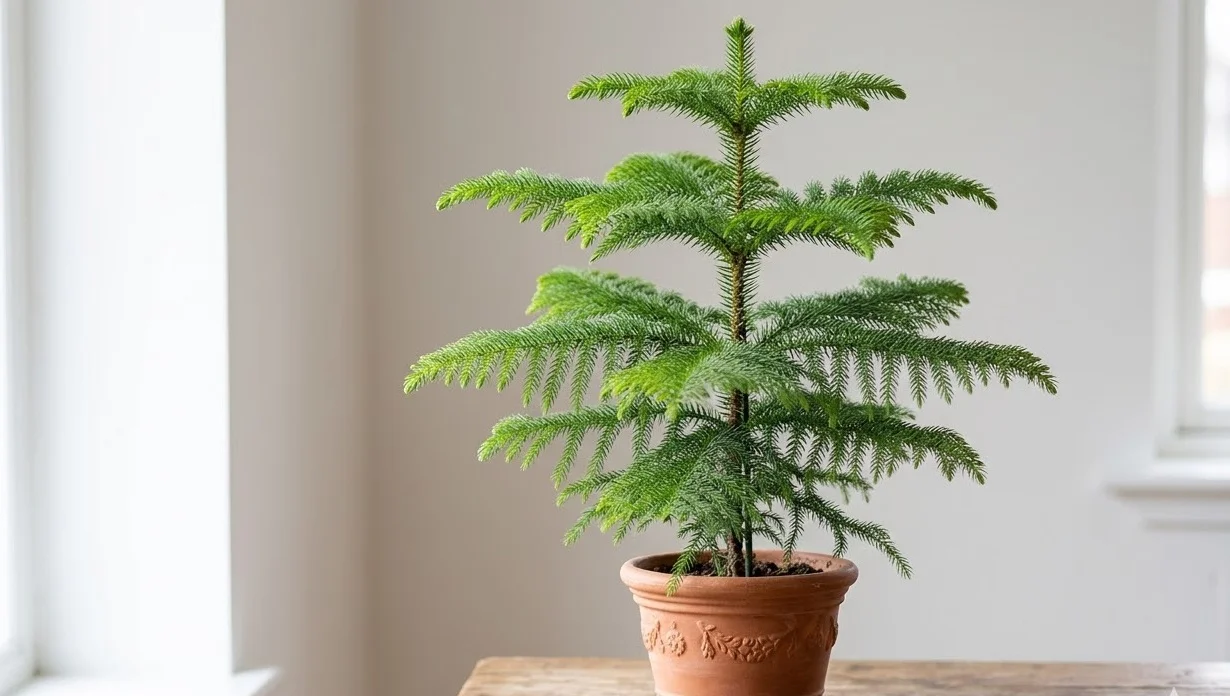

Watering and fertilizing are the two most dynamic aspects of caring for a Norfolk Island pine, requiring a keen eye for detail. This species does not follow a strict calendar schedule, as its needs fluctuate based on the light, temperature, and humidity of its surroundings. Overwatering is the most common cause of failure among enthusiasts, while improper fertilization can lead to weak and unsightly growth. Mastering these two elements will ensure that your tree remains lush, green, and structurally sound throughout every season of the year.
The fundamental rule for watering this tree is to allow the top inch of soil to dry out before providing more moisture. You should use your finger to test the soil depth regularly rather than relying on a fixed interval of days. When you do water, it is essential to saturate the root ball thoroughly until water flows freely from the drainage holes. This ensures that the deep roots receive hydration and that any accumulated salts are flushed out of the growing medium.
Using high-quality water is more important than many people realize for the long-term health of the needles. Tap water that is high in chlorine or fluoride can cause the tips of the branches to turn brown and become brittle over time. If possible, use rainwater or distilled water, or at least let tap water sit out overnight to allow some of the chemicals to dissipate. Always ensure the water is at room temperature to avoid shocking the sensitive tropical root system with a sudden cold blast.
Designing a nutritional program
Fertilization should be approached with a “less is more” philosophy to prevent the accumulation of minerals that can burn the roots. A balanced, water-soluble fertilizer specifically formulated for evergreens or acid-loving plants is usually the best choice for this species. You should apply the nutrients at half the recommended strength to provide a gentle but consistent supply of energy. During the peak growing months of spring and summer, a monthly application is typically sufficient to support new development.
Micronutrients play a vital role in maintaining the deep green color that makes the Norfolk Island pine so attractive. Iron and magnesium deficiencies often manifest as a general paling of the foliage or yellowing between the veins of the needles. If you notice these symptoms, a specialized supplement can be used to correct the imbalance quickly and effectively. Always follow up a fertilizer application with a thorough watering to help distribute the nutrients throughout the soil.
More articles on this topic
The timing of your fertilization efforts must align with the natural growth cycles of the tree to be effective. As the days shorten and the temperature drops in autumn, you should gradually reduce the amount of fertilizer you provide. During the winter months, it is generally best to stop fertilizing altogether to allow the plant to enter its natural period of rest. Resuming the nutritional program in early spring will give the tree the boost it needs to start the new season strong.
Identifying and correcting moisture issues
Signs of underwatering are usually easy to spot if you are observant of the plant’s overall posture and needle condition. If the soil becomes too dry for too long, the branches will begin to droop and the needles may lose their characteristic shine. In extreme cases, the lower branches will turn brown and drop off, a loss that is unfortunately permanent for this species. A quick response with a thorough soaking can often stop the decline before it reaches the upper parts of the canopy.
Overwatering is a much more dangerous problem because it often happens silently beneath the surface of the soil. When the roots are constantly submerged in water, they lose the ability to take up oxygen and eventually begin to rot. You might notice the plant looking wilted even though the soil is wet, which is a classic sign of a failing root system. If you suspect root rot, you must immediately stop watering and consider repotting the plant into fresh, dry substrate.
Humidity also affects how much water the plant actually needs from the soil on a day-to-day basis. In a very humid environment, the rate of transpiration is lower, meaning the soil will stay moist for a longer period. Conversely, in a dry room with high airflow, the plant will pull moisture from the pot much more rapidly. Adjusting your watering frequency to match these ambient conditions is a hallmark of a truly professional gardener.
More articles on this topic
Advanced techniques for soil management
Leaching the soil is a professional technique used to remove excess fertilizer salts that can build up over several months. Once every quarter, you should pour a large volume of water through the pot, allowing it to drain away completely without sitting in a saucer. This process cleanses the growing medium and creates a healthier environment for the delicate root hairs to function. It is a simple maintenance step that can prevent many of the mysterious browning issues that plague indoor trees.
The type of container you use will also influence your watering and fertilizing strategy significantly over time. Porous materials like unglazed terracotta allow moisture to evaporate through the walls, requiring more frequent watering than plastic or glazed ceramic. Similarly, the amount of fertilizer needed may be slightly higher in porous pots due to the faster turnover of water and nutrients. Understanding these interactions allows you to tailor your care specifically to the equipment you have chosen for your tree.
Consistency in your routine creates a stable foundation that allows the Norfolk Island pine to reach its full potential. While the plant is adaptable, it does not respond well to a “feast or famine” approach to its basic needs. By keeping detailed notes on your watering and feeding schedule, you can identify patterns and make proactive adjustments. This professional level of attention ensures that your tree remains a vibrant and healthy part of your environment for years to come.