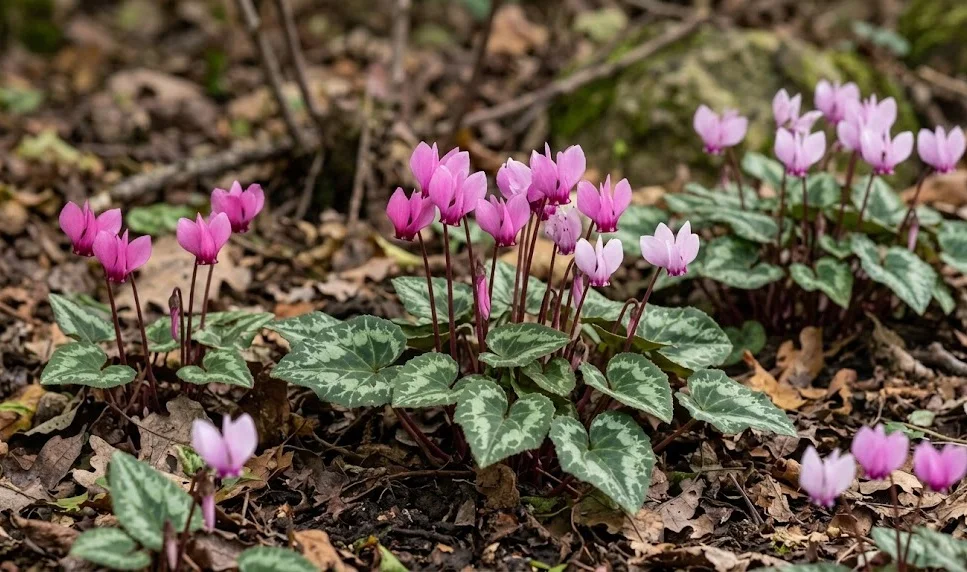

Proper hydration and nutrient management are the twin pillars of maintaining a healthy and vibrant colony of these perennials. Because these plants follow a specific Mediterranean growth cycle, their water and fertilizer requirements shift dramatically between seasons. Providing the right inputs at the correct time supports robust flower production and strengthens natural disease resistance. Understanding these changing needs prevents the common pitfalls that often lead to tuber decline.
During the active growth phase in autumn, the plants require consistent soil moisture to support their intense flowering display. As the blossoms emerge and the leaves expand, the root system actively absorbs water from the surrounding soil. If the autumn season is exceptionally dry, supplementary watering becomes necessary to sustain the quality of the blooms. Rainwater is always the preferred source because it lacks the harsh minerals found in municipal tap water.
When applying water during the growing period, aim for a deep soaking rather than frequent, shallow sprinkles. Deep watering encourages the roots to grow downward into the cooler layers of the soil, improving overall drought tolerance. Always apply water directly to the soil surface around the plants rather than pouring it over the foliage. This targeted technique keeps the leaves dry, which significantly minimizes the risk of fungal infections developing.
As winter transitions into spring, the plant continues its active photosynthesis to store energy in the underground tuber. Soil moisture should remain stable during this period, avoiding both bone-dry conditions and waterlogged saturation. The natural rainfall of winter and spring is usually sufficient in most climates, requiring little to no human intervention. Monitoring the weather patterns helps determine if unusual droughts necessitate a brief, supportive watering session.
Watering rules during dormancy
The arrival of summer signals the beginning of the plant’s crucial dormant phase, during which watering practices must change completely. As the leaves yellow and die back, the plant’s metabolic activity slows down to a absolute minimum. The tuber requires a warm, dry environment to rest properly and prepare for the next autumn cycle. Consequently, deliberate watering during these summer months should be entirely suspended to protect the plant.
More articles on this topic
Natural rainfall during the summer is generally tolerated if the soil possesses excellent, sharp drainage characteristics. However, planting them in areas adjacent to thirsty summer bedding plants that require daily watering is highly dangerous. The constant influx of moisture into a dormant zone creates a breeding ground for rot-causing bacteria and fungi. Choosing the right neighborhood within the garden design acts as a natural shield against excessive summer wetness.
If you are cultivating these plants in containers, summer management requires an even higher level of discipline. Move the pots to a shaded, sheltered position where they are protected from heavy summer downpours. The compost inside the container should be allowed to dry out almost completely, retaining just a microscopic hint of moisture. This dry rest mimics the baking summer conditions of their native hillsides, which is essential for triggering future blooms.
As late August approaches, a very light watering can be applied to signal the end of dormancy and stimulate early bud development. This initial moisture mimics the first autumn rains of the Mediterranean, awakening the tuber from its deep sleep. Once the first pink or white tips break through the surface, you can gradually transition back to the regular autumn watering routine. This careful transition ensures a smooth and productive start to the new growth cycle.
Selecting appropriate nutrients
Fertilizing these woodland specialists requires a delicate touch and a thorough understanding of their nutritional preferences. They are not heavy feeders and can easily become stressed if exposed to excessive amounts of concentrated chemical fertilizers. In a natural woodland setting, they derive most of their nutrients from the slow decomposition of organic leaf litter. Replicating this low-fertility, organic rich environment promotes steady, healthy growth rather than weak, forced expansion.
More articles on this topic
When selecting a commercial fertilizer, always avoid formulas that feature high concentrations of nitrogen. High nitrogen levels stimulate excessive, soft foliage growth that compromises the structural integrity of the plant and reduces flowering. Instead, look for fertilizers that are rich in potassium and phosphorus, which support root health and flower development. Organic choices, such as bone meal or liquid seaweed extract, are ideal because they release nutrients slowly and safely.
Well-rotted leaf mold remains the absolute best soil amendment and natural fertilizer for this species. Applying a thin layer of leaf mold over the planting bed every spring delivers a balanced blend of micronutrients. This organic material also enhances the soil’s biological activity, encouraging beneficial mycorrhizal fungi that support the root system. Utilizing natural components aligns perfectly with the evolutionary adaptations of these beautiful forest plants.
For plants grown in containers, the restricted soil volume means that nutrients are depleted much faster than in open garden beds. In this scenario, a highly diluted liquid fertilizer applied during the active leaf stage is highly beneficial. A balanced tomato fertilizer, diluted to one-quarter of the manufacturer’s recommended strength, provides an excellent nutrient balance. This controlled feeding regimen maintains pot fertility without risking chemical burns to the sensitive root systems.
Effective feeding schedules
Timing the application of fertilizer is just as critical as choosing the correct nutrient balance for the plants. The optimal window for applying organic top-dressings is in late winter or early spring, while the leaves are fully active. This timing allows the winter rains to wash the nutrients down into the root zone where they can be absorbed efficiently. Feeding at this stage directly supports the tuber as it stores energy for the upcoming dormant period.
Never apply fertilizer during the summer dormant phase when the plant lacks leaves and active roots. Introducing nutrients during this rest period is completely useless and can actually damage the dormant tuber surface. The salts from unused fertilizer can accumulate in the soil, leading to root toxicity when the plant reawakens. Respecting the summer rest ensures that the chemical balance of the soil remains safe and stable.
In early autumn, right as the first flower buds begin to appear, a single application of liquid seaweed can be beneficial. This quick-acting organic tonic provides a boost of trace elements that enhances flower color and stamina. Avoid further feeding once full bloom is achieved, as the plant should focus on reproduction rather than vegetative expansion. This targeted autumn intervention provides just enough support to maximize the visual quality of the display.
As the spring season winds down and the foliage begins to show signs of yellowing, all feeding must cease immediately. Forcing nutrients upon a plant that is trying to enter dormancy disrupts its natural internal clock and causes undue stress. Allow the plant to naturally deplete its current reserves as it transitions into its summer rest phase. Following this logical seasonal calendar keeps your fertilization efforts perfectly synchronized with the plant’s biology.
Signs of overwatering and malnutrition
Learning to read the physical signs of water and nutrient imbalance allows for quick corrective action before permanent damage occurs. Overwatering is by far the most dangerous condition, quickly manifesting as soft, yellowing foliage during the growth period. If you notice the flower stems collapsing or turning mushy at the base, immediate soil inspection is required. This mushiness indicates that the tuber is beginning to rot due to a lack of oxygen in saturated soil.
To rescue an overwatered plant, suspend all watering immediately and improve the surrounding drainage channels if possible. In severe cases involving container plants, it may be necessary to unpot the tuber and inspect its health. Healthy tubers are firm and solid, while rotting sections appear brown, soft, and emit a distinct, unpleasant odor. Carefully scrape away any rotten tissue, treat the wound with charcoal, and replant in completely fresh, dry grit.
Nutrient deficiencies, while less lethal than rot, can significantly diminish the aesthetic value and long-term vigor of the colony. A lack of potassium typically results in poor flowering and small, weakly colored blossoms that fade too quickly. Nitrogen deficiency, though rare in organic soils, presents as stunted, pale green leaves that lack the characteristic silver patterning. Addressing these issues involves applying a gentle, slow-release organic fertilizer during the next appropriate seasonal window.
Conversely, over-fertilization creates its own set of obvious symptoms that every gardener should be able to recognize. If the leaves become excessively large, floppy, and prone to tearing, the soil likely contains too much nitrogen. This weak growth attracts pests and makes the plant highly susceptible to winter frost damage. Flushing the soil with clean water or adding structural grit helps dilute the excess nutrients and restores a natural balance.