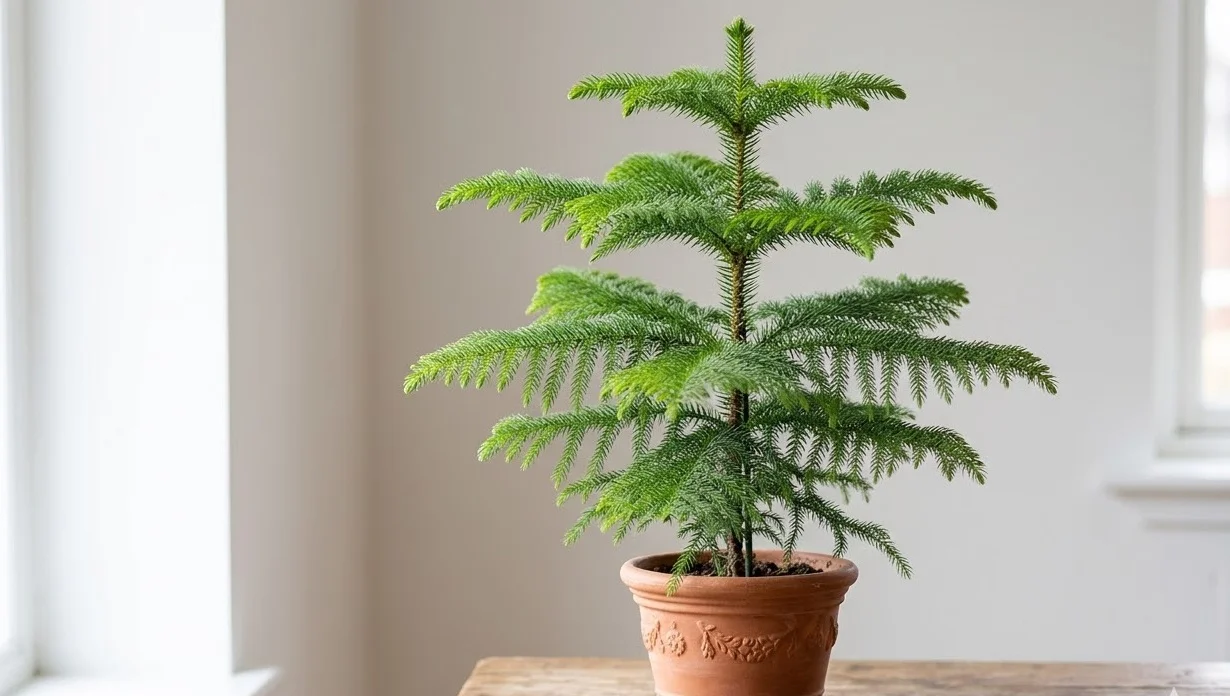

The Norfolk Island pine is a unique and elegant addition to any indoor space or temperate garden setting. While it resembles a traditional conifer, this plant is actually a tropical species that requires specific attention to thrive in domestic environments. Achieving the perfect balance of environmental factors is the key to maintaining its distinctive symmetrical appearance and vibrant green needles. Professional growers understand that consistency is the most important element when managing the long-term health of these majestic trees.
Maintaining the structural integrity of the branches requires a stable environment free from sudden changes in temperature or light. These trees are quite sensitive to being moved frequently, so choosing a permanent location is a vital first step for success. You should observe the plant closely for any signs of needle drop, which often indicates stress from drafts or low humidity levels. Providing a dedicated space where the tree can grow without being bumped by foot traffic will prevent physical damage to the delicate tips.
The substrate chosen for this species must offer excellent drainage while retaining enough moisture to keep the root ball from drying out completely. A mixture containing peat moss, perlite, and a small amount of sand is generally considered the industry standard for container-grown specimens. It is important to avoid heavy garden soils that can compact over time and suffocate the roots, leading to irreversible decline. Monitoring the pH levels of the soil ensures that the plant can efficiently absorb the nutrients required for its vertical development.
Understanding the growth cycle of the Norfolk Island pine helps in timing various maintenance tasks throughout the year. During the active growing season, the plant will push out new light green growth at the tips of each branch and the central leader. This is the period when the tree is most demanding in terms of resources and environmental stability. Conversely, during the shorter days of the year, the plant enters a slower phase where maintenance routines must be adjusted accordingly to prevent over-servicing.
Understanding the environmental requirements
Temperature control is a critical factor because this species prefers a cool to moderate climate rather than extreme heat. Ideally, daytime temperatures should remain between sixteen and twenty-four degrees Celsius to mimic its natural island habitat. If the environment becomes too warm, the needles may begin to turn brown and lose their soft texture. High-quality ventilation is also necessary to prevent stagnant air from causing fungal issues on the lower branches.
More articles on this topic
Humidity is perhaps the most overlooked aspect of care for those keeping this tree as a common houseplant. In modern heated homes, the air is often too dry, which causes the lower branches to become brittle and eventually fall off. To counteract this, you should consider using a humidifier or placing the pot on a tray filled with pebbles and water. Misting the foliage with distilled water can provide a temporary boost, but it is not a substitute for consistent ambient humidity.
Air quality and movement play a secondary but significant role in the overall vitality of the Norfolk Island pine. Strong drafts from air conditioners or heating vents should be avoided at all costs to prevent localized desiccation. A gentle, natural airflow helps to strengthen the wood and prevents the buildup of dust on the needles. Keeping the foliage clean by gently wiping it or using a soft spray of water allows for better gas exchange through the pores.
Managing the growth space
Choosing the right container is essential for the long-term stability of the plant, especially as it gains height and becomes top-heavy. A heavy ceramic or terracotta pot provides the necessary weight to prevent the tree from tipping over unexpectedly. Ensure that the drainage holes are always clear to allow excess water to escape freely after each session. Repotting should only be done every three to four years, as the root system is relatively small and sensitive to disturbance.
When moving the plant into a larger container, always select a size that is only one or two inches wider than the current one. Using an oversized pot can lead to excess moisture staying in the soil for too long, which increases the risk of root rot. Carefully teasing the outer roots during the transition encourages them to explore the new substrate more effectively. Fresh soil should be packed firmly but not too tightly to ensure that air pockets remain available for the roots.
More articles on this topic
The placement of the tree within a room significantly affects its symmetry and the way it reaches for the sun. If the light source is one-sided, the trunk will eventually lean in that direction, ruining the formal upright habit of the species. To prevent this, rotate the container by a quarter turn every week to ensure that all sides receive equal exposure. This simple habit is the best way to maintain a perfectly straight central leader over many years of growth.
Sustaining long term vitality
Monitoring the color and texture of the needles provides immediate feedback on the health status of your Norfolk Island pine. Dark green, soft needles that are firmly attached to the branches indicate that the plant is receiving adequate care. If you notice any yellowing or thinning of the foliage, it is time to re-evaluate the watering schedule or the light intensity. Early intervention is always more effective than trying to rescue a severely stressed plant that has lost many limbs.
As the tree ages, the lower branches may naturally die back as part of its maturing process in lower light conditions. While this can be disheartening, it is a normal occurrence for older specimens that have reached a significant height indoors. You can carefully remove these dead parts to keep the plant looking tidy and to improve air circulation within the canopy. Maintaining the upper tiers of growth is the primary focus for keeping the tree aesthetically pleasing for decades.
Winter months require a distinct shift in care because the lower light levels reduce the plant’s metabolic rate significantly. You should reduce the frequency of your interventions and allow the plant to rest in a slightly cooler location if possible. Avoid applying any stimulants or heavy nutrients during this dormant phase to prevent weak and leggy growth. Respecting these natural cycles ensures that the tree remains vigorous when the spring growing season arrives once again.
In conclusion, the success of your gardening efforts depends on your ability to observe and react to the subtle needs of the tree. Professional horticulturists often spend years perfecting the environment for these island natives to achieve the best results. By following these guidelines, you can enjoy a healthy and beautiful specimen that serves as a living centerpiece in your collection. Patience and consistency will always yield the most rewarding growth patterns for the Norfolk Island pine.