
Maintaining a Japanese flowering cherry requires a thoughtful approach that balances aesthetic goals with the biological needs of the tree. These ornamental specimens are prized for their spectacular spring displays, but their health depends on consistent attention throughout the growing season. A gardener must understand that these trees are sensitive to environmental stressors, which means proactive care is always better than reactive treatments. By establishing a solid routine, you can ensure that your cherry tree remains a focal point of the landscape for many decades.
Site selection and environmental considerations
Choosing the perfect location for your tree is the first and most critical step in its long-term care strategy. You should look for a spot that offers protection from the most severe prevailing winds, as these can easily strip the blossoms during the peak of spring. The soil in this area should ideally be rich in organic matter and possess excellent drainage characteristics to prevent root rot. It is also important to visualize the tree at its full maturity, ensuring it has enough horizontal space to expand its graceful canopy without interference.
The microclimate of your garden plays a significant role in how the tree adapts and performs over the years. Avoid low-lying areas where frost pockets tend to form, as late spring frosts can kill emerging flower buds overnight. While these trees are relatively hardy, they appreciate a stable environment where temperature fluctuations are not overly extreme. Observations of the sun’s path throughout the day will help you confirm that the chosen site receives the necessary duration of light.
Soil quality must be assessed and potentially amended before the tree even arrives from the nursery. If your soil is heavy clay, you will need to incorporate plenty of compost or well-rotted manure to improve its structure and aeration. Sandy soils, on the other hand, benefit from organic additions that help retain moisture and essential nutrients. Conducting a simple soil test can provide valuable data regarding pH levels, which should ideally be slightly acidic to neutral for optimal growth.
Proper spacing between the Japanese flowering cherry and other garden structures or plants is essential for airflow. Good air circulation reduces the humidity around the foliage, which is a key factor in preventing common fungal diseases. If the tree is planted too close to a wall or a dense hedge, it may struggle with stagnant air and uneven growth patterns. Providing at least several meters of clearance on all sides allows the tree to develop its characteristic symmetry and strength.
More articles on this topic
Monitoring growth and development
Regularly observing the physical condition of your cherry tree allows you to catch potential issues before they become serious problems. You should check the color and texture of the leaves during the summer to ensure they remain a healthy, vibrant green. Any signs of premature yellowing or leaf drop could indicate stress related to water, nutrients, or localized pest activity. Early detection is the hallmark of a professional approach to arboriculture, saving both time and resources in the long run.
The trunk and main structural branches also require periodic inspection to ensure the bark remains intact and healthy. Look for any cracks, sap oozing, or unusual swellings that might suggest internal issues or the presence of boring insects. A healthy bark should feel firm and look consistent with the age of the variety you have planted in your garden. If you notice any damage, it is vital to determine the cause immediately to prevent the spread of infection through the vascular system.
Annual growth rates can tell you a lot about the overall vigor and success of your care regimen. A Japanese flowering cherry that produces several inches of new wood each year is likely receiving the correct balance of light and nutrients. If growth seems stunted or non-existent, it might be time to re-evaluate your fertilization or watering practices. Keeping a simple garden journal to track these changes over the seasons can provide a helpful historical perspective on the tree’s health.
The transition from the blooming phase to the leafing phase is a particularly sensitive time for the tree’s energy reserves. During this period, the tree is shifting its internal resources from reproduction to vegetative growth and photosynthesis. You should ensure that the environment remains stable during this transition, avoiding any major disturbances to the root zone. Consistent monitoring during these weeks will help you understand the specific rhythm of your particular specimen.
More articles on this topic
Seasonal maintenance routines
Spring is undoubtedly the most active time for both the tree and the gardener, beginning with the much-anticipated bloom. As the flowers begin to fade, it is important to monitor the tree for the emergence of new foliage and young shoots. This is also the time when many pests become active, so frequent walks around the tree are highly recommended. Applying a fresh layer of mulch in early spring helps to suppress weeds and retain the moisture needed for the upcoming heat.
Summer care focuses primarily on stress management, particularly during periods of high temperatures and low rainfall. You should be prepared to provide supplemental irrigation if the natural weather patterns do not provide enough moisture for the deep root system. Keep the area around the base of the tree clear of tall grass and weeds, which compete for the same water and nutrients. Observations during the hottest parts of the day can reveal if the tree is wilting or showing signs of heat-induced leaf scorch.
Autumn is the season for preparation and gradual winding down of the tree’s metabolic processes. As the leaves begin to change color and eventually fall, you should collect and remove them from the base of the tree. This practice is essential for sanitation, as fallen leaves can harbor pathogens that might overwinter and re-infect the tree next spring. It is also a good time to inspect the structural integrity of the branches before the weight of winter snow becomes a factor.
Winter maintenance is mostly passive, but it remains an important part of the annual cycle for a dedicated gardener. You should check the tree after major storms to ensure that no branches have been broken or damaged by ice and wind. Protecting the lower trunk from rodents or mechanical damage from garden tools is also a priority during the dormant months. While the tree appears to be sleeping, the roots are still active to a small degree, preparing for the next surge of life.
Managing the root zone environment
The root system of a Japanese flowering cherry is relatively shallow compared to some other ornamental trees, making it sensitive to surface changes. You must avoid compacting the soil around the drip line of the tree, as this restricts the flow of oxygen to the roots. Heavy foot traffic or the use of machinery near the base of the tree should be strictly prohibited to maintain soil porosity. Mulching with organic materials is the best way to protect the roots from temperature extremes and physical disturbances.
Organic mulch should be applied in a wide circle around the trunk, but it should never touch the bark directly. Leaving a small gap between the mulch and the trunk prevents moisture from being trapped against the wood, which could lead to decay. A layer of three to four inches of wood chips or shredded bark is usually sufficient to provide the necessary benefits. Over time, this mulch will decompose and naturally enrich the top layer of soil with vital organic matter.
Avoid planting aggressive groundcovers or thick turf grass directly under the canopy of the cherry tree. These plants are very efficient at absorbing surface moisture and nutrients before they can reach the tree’s root system. A clean, mulched bed is not only more aesthetically pleasing in a professional landscape but also much healthier for the tree. If you must have underplanting, choose shallow-rooted perennials that do not have high water requirements or competitive growth habits.
Be cautious when performing any digging or landscaping work within the root zone of an established tree. Even minor damage to the fine feeder roots can reduce the tree’s ability to take up water and minerals effectively. If you need to install irrigation lines or lighting, try to route them outside the drip line whenever it is possible to do so. Respecting the “critical root zone” is one of the most important aspects of long-term tree preservation and health.
Promoting aesthetic longevity
The visual appeal of a Japanese flowering cherry is its primary purpose, but this beauty is a direct result of its health. A well-nourished and properly hydrated tree will produce more flowers and hold them for a longer period of time. You should aim for a balance where the tree grows steadily but not so fast that the wood becomes weak or brittle. A professional gardener understands that the most beautiful trees are those that are allowed to grow in harmony with their natural form.
To maximize the impact of the spring bloom, you should ensure the tree is not under any significant stress during the previous summer. The flower buds for next year are actually formed during the late summer and early autumn of the current year. Therefore, a drought-stressed tree this year will likely produce a much poorer display when next spring finally arrives. Consistent care throughout the entire year is the only way to guarantee a breathtaking floral performance every single season.
The color and health of the foliage during the summer also contribute to the overall aesthetic value of the tree in the garden. When the leaves are glossy and free of holes or spots, the tree provides a cooling, green presence in the landscape. Proper nutrient management ensures that the leaves maintain their deep color and do not become chlorotic or pale. A healthy canopy also provides the necessary shade to protect the inner branches and trunk from direct, intense sunlight.
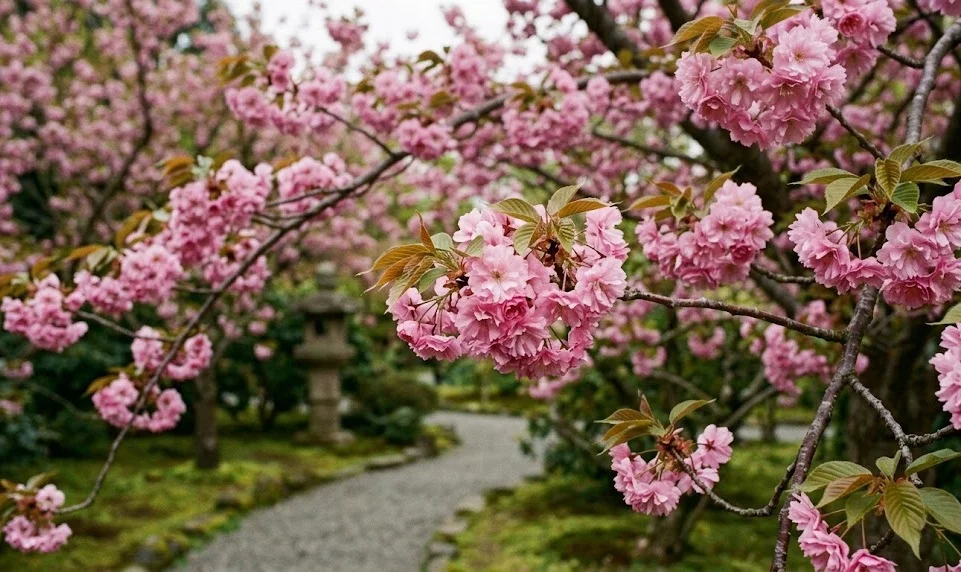
Finally, consider the surroundings of the tree and how they complement its changing appearance through the four seasons. A dark evergreen background can make the pale pink or white blossoms of the cherry tree stand out even more vividly. Similarly, fall-blooming perennials can provide a nice contrast as the cherry leaves turn to shades of gold or bronze in the autumn. Professional landscaping is about seeing the tree as part of a larger, living composition that evolves over time.
Understanding varietal differences
There are many different cultivars of Japanese flowering cherry, and each has its own slightly unique care requirements. Some varieties are more upright and vase-shaped, while others have a distinct weeping habit that requires specific structural support. You should research the specific needs of your variety to ensure you are providing the most appropriate level of care. Knowing the expected final height and spread will help you manage the space and expectations for the tree’s development.
The timing of the bloom can also vary significantly between different types of Prunus serrulata specimens. Some are early bloomers that might be more susceptible to late frosts, while others wait until mid-spring when the weather is more stable. Understanding this timing allows you to prepare for potential weather events and adjust your garden activities accordingly. The duration of the flowering period is also a genetic trait, although environmental factors will certainly play a secondary role.
Resistance to certain pests and diseases can also differ between the many varieties available on the market today. Some modern hybrids have been specifically bred for increased hardiness or better resistance to common fungal infections like leaf spot. If you are in an area with high humidity, choosing a resistant variety can make your maintenance routine much simpler and more successful. Always consult with a local nursery expert to find the variety that is best suited for your specific regional climate.
The intensity of the fragrance and the color of the blossoms are also key features that define the different varieties. While some have a very delicate scent, others can perfume an entire corner of the garden during their peak bloom. The blossom color can range from pure white to deep, vibrant pink, sometimes even changing as the flower ages. Recognizing these characteristics helps you appreciate the unique personality of your tree and notice if it is deviating from its normal behavior.
Professional tools and techniques
Using the right tools is essential for performing maintenance tasks correctly and safely for both the gardener and the tree. High-quality bypass pruners and sharp garden saws are necessary for making clean cuts that heal quickly and efficiently. You should always disinfect your tools before moving from one tree to another to prevent the accidental spread of pathogens. Investing in professional-grade equipment pays off in the long run through better results and less physical strain during garden work.
Soil testing kits are another valuable tool that every serious gardener should have in their maintenance arsenal. These kits allow you to monitor the nutrient levels and pH of your soil without having to guess or wait for symptoms to appear. Understanding the chemistry of your soil enables you to apply fertilizers and amendments with precision and scientific accuracy. This targeted approach is much more effective than the broad application of general-purpose garden products.
For larger trees, you may occasionally need to use specialized equipment like long-reach loppers or stable ladders to reach higher branches. Safety should always be your first priority, and you should never attempt tasks that are beyond your physical capabilities or comfort level. If a tree becomes too large to manage safely from the ground, it is wise to consult with a certified arborist for structural work. Professional help can ensure that the tree remains safe and healthy as it reaches its full, majestic size.
Modern technology also offers tools like moisture meters that can help you determine exactly when your tree needs a deep watering. These devices take the guesswork out of irrigation, ensuring that you neither under-water nor over-water your precious cherry tree. By using these objective measurements, you can maintain the perfect balance of soil moisture throughout the challenging summer months. Combining traditional gardening wisdom with modern tools creates a comprehensive and highly effective care strategy.