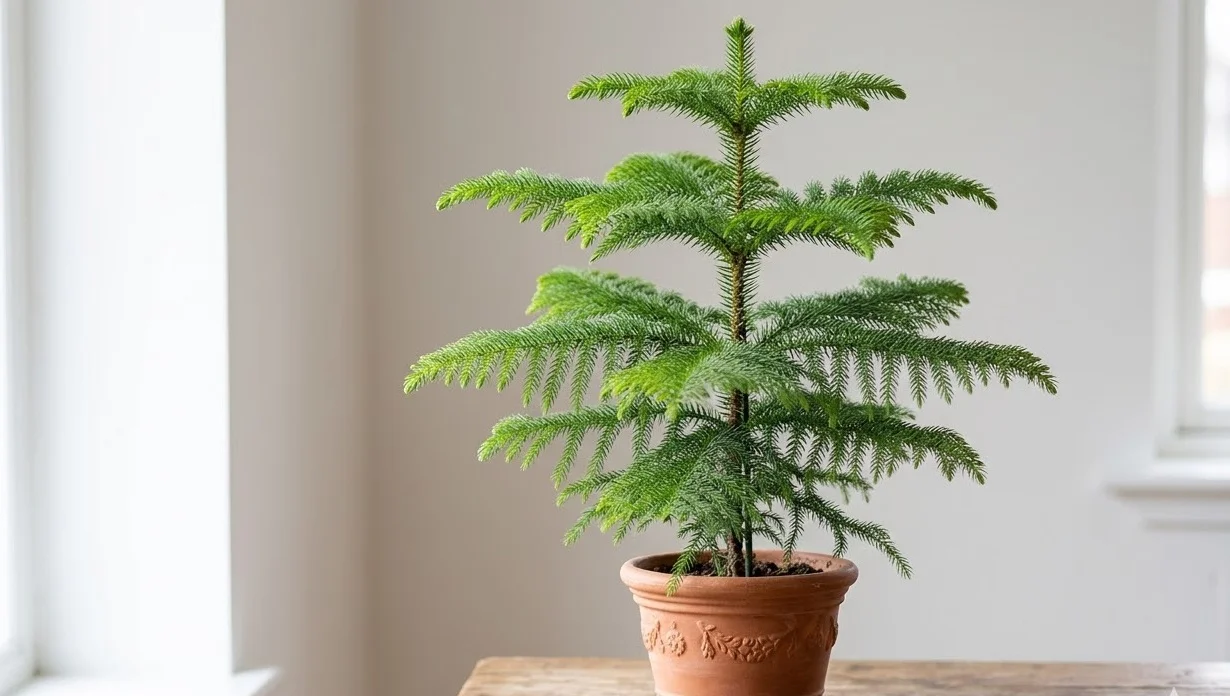

Maintaining the health of a Norfolk Island pine involves vigilant monitoring for any signs of biological stress caused by pathogens or insects. While these trees are relatively hardy, they can fall victim to several specific issues if their environment becomes suboptimal. Early detection is the most effective tool in a gardener’s arsenal for preventing a minor problem from becoming a total loss. By understanding the common threats and their symptoms, you can take decisive action to protect your botanical investment from harm.
Fungal diseases are often the result of excessive moisture combined with poor air circulation around the foliage. Needle blight is a common condition where the tips of the branches turn brown and slowly die back toward the trunk. You can identify this issue by the presence of small, dark fruiting bodies on the affected needles during periods of high humidity. Improving the airflow and reducing the frequency of overhead misting are the first steps in managing any fungal outbreak effectively.
Root rot is perhaps the most devastating disease because it strikes at the very foundation of the plant’s life support system. This condition is caused by various water-mold pathogens that thrive in saturated, anaerobic soil conditions. A tree suffering from root rot will often show a general decline, with branches becoming limp and the central leader losing its rigidity. To save a plant in this state, you must remove it from the pot, prune away the blackened roots, and start fresh.
Managing common insect infestations
Mealybugs are one of the most persistent pests that target the Norfolk Island pine in an indoor setting. These small, white, cottony insects tend to hide in the crevices where the branches meet the main trunk or among the needles. They feed on the sap of the plant, which can lead to stunted growth and a general loss of vigor over time. You can treat localized infestations by dabbing the insects with a cotton swab soaked in rubbing alcohol.
Spider mites are another common threat, especially in environments where the air is very dry and warm. These tiny arachnids are often difficult to see with the naked eye, but their presence is revealed by fine webbing between the needles. An infested tree will start to look dusty or bronzed as the mites drain the chlorophyll from the individual needles. Regularly increasing the humidity and washing the foliage with a gentle stream of water can help keep mite populations under control.
More articles on this topic
Scale insects can also be a problem, appearing as small, hard bumps on the stems or the undersides of the branches. Like mealybugs, they are sap-sucking pests that can weaken the tree if their numbers are allowed to grow unchecked. Because they have a protective outer shell, they can be more difficult to eliminate with standard contact sprays. Horticultural oils or systemic treatments are often required to reach the insects beneath their armor and break their life cycle.
Preventive measures and environmental health
Keeping your gardening tools clean is a fundamental practice for preventing the spread of diseases between different plants in your collection. Always sterilize your pruning shears with alcohol before and after making any cuts on your Norfolk Island pine. This simple habit prevents the accidental introduction of bacteria or fungi into the open wounds of the tree. A clean environment is always the first line of defense against the invisible threats that can compromise plant health.
Quarantining any new plants before introducing them to your main growing area is another essential professional strategy. Many pests and diseases are brought into a clean environment on the foliage of a new acquisition from a nursery or store. By keeping a new tree separate for a few weeks, you can observe it for any signs of trouble before it has a chance to infect others. This proactive approach saves a tremendous amount of time and effort in the long run.
Environmental stress is often the precursor to a pest or disease outbreak, as a weakened plant has fewer natural defenses. A tree that is struggling with low light or improper watering is much more attractive to opportunistic insects and pathogens. By maintaining the optimal conditions described in previous chapters, you are effectively strengthening the plant’s immune system. Healthy trees can often tolerate a small number of pests without suffering any significant long-term damage.
More articles on this topic
Treatment protocols and recovery
When a treatment is necessary, it is always best to start with the least toxic option to minimize the impact on the plant and your home. Insecticidal soaps and neem oil are excellent choices for managing many common pests without the use of harsh synthetic chemicals. These products work by disrupting the physical functions of the insects rather than acting as a systemic poison. Always test a small area of the foliage first to ensure that the plant does not have an adverse reaction to the treatment.
After an infestation or disease has been successfully managed, the tree will need some time and extra care to recover fully. You should avoid any heavy pruning or fertilization during this period, as the plant needs to focus its energy on repairing its internal systems. Providing a very stable environment with perfect light and humidity will help speed up the regeneration of new, healthy growth. Be patient, as it can take several months for a Norfolk Island pine to regain its former glory after a serious health crisis.
Regular inspections should become a permanent part of your maintenance routine to ensure that any lingering issues are caught early. Take a few minutes each week to look closely at the undersides of the branches and the tip of the central leader. This level of professional diligence is what separates a thriving garden from one that is constantly struggling with preventable problems. Your commitment to the health of your tree will be reflected in its enduring beauty and steady growth over many years.