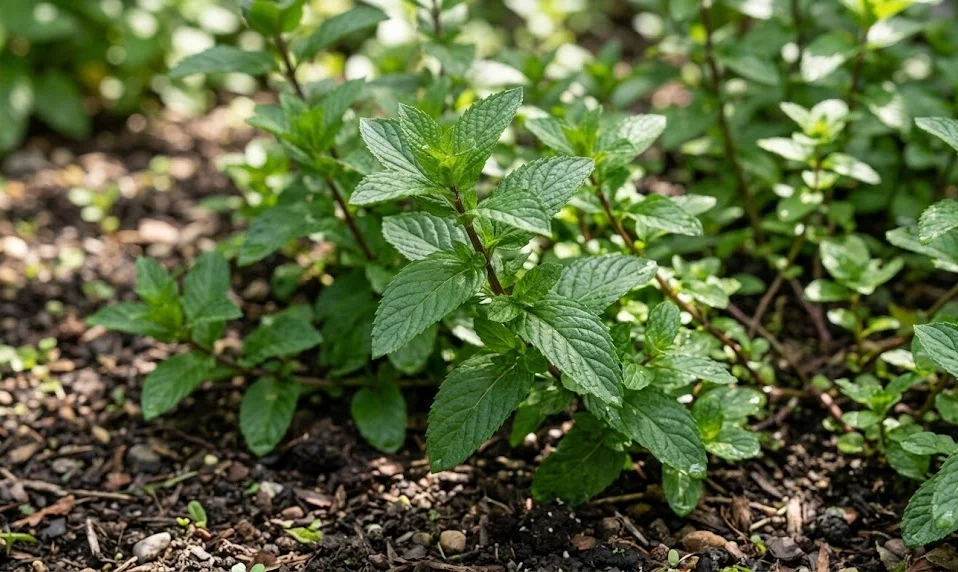

Cultivating a thriving herb garden begins with understanding the specific underground environment that your aromatic crops require to truly flourish. Peppermint is notoriously resilient, but it reaches its true therapeutic and culinary potential only when granted the ideal substrate structure. Gardeners must focus on creating a balance that provides both rich organic matter and excellent moisture retention capacities. This foundational approach ensures that the root system establishes itself deeply and absorbs nutrients efficiently throughout the growing season.
Essential soil requirements for optimal growth
The ideal soil profile for this vigorous herb leans heavily toward a loamy or silty texture that naturally holds onto moisture without becoming completely waterlogged. Heavy clay soils can severely restrict root expansion and cause dangerous moisture stagnation, which ultimately leads to root rot. On the other hand, excessively sandy soils drain far too quickly, leaving the moisture-loving plant parched and stressed during hot summer spells. Amending your garden beds with high-quality compost or well-rotted manure before planting will dramatically improve any suboptimal soil texture.
Soil acidity is another critical parameter that directly influences nutrient availability and overall plant health in commercial and home gardens. Peppermint performs exceptionally well in a slightly acidic to neutral pH range, ideally between 6.0 and 7.0. If your soil is too acidic, applying agricultural lime can safely raise the pH to a more hospitable level for the roots. Conversely, sulfur can be incorporated into highly alkaline soils to gradually lower the pH and prevent nutrient deficiencies like chlorosis.
Maintaining long-term soil structure requires consistent management and protective practices such as applying organic mulch around the base of the plants. Mulching not only suppresses aggressive weed competition but also prevents the topsoil from crusting over after heavy rainfall events. It preserves the delicate topsoil microbiome by shielding beneficial soil organisms from extreme temperature fluctuations and direct solar radiation. Over time, as the organic mulch decomposes, it continuously enriches the underlying soil with vital nutrients and organic matter.
Seasonal maintenance routines throughout the year
Adapting your gardening routine to the changing seasons is vital for keeping your herb patch productive and healthy year after year. Spring marks the beginning of intensive care, as new shoots emerge from the dormant rhizomes and demand immediate attention. Clearing away dead debris from the previous winter prevents fungal spores from awakening and infecting the fresh vegetative growth. This initial cleanup also allows warming sunlight to reach the soil surface, accelerating the early growth phase significantly.
More articles on this topic
Summer maintenance revolves primarily around managing rapid vegetative expansion and ensuring the plants do not suffer from intense heat stress. Regular monitoring is essential during July and August when high evaporation rates can quickly deplete the soil of available water reserves. Gardeners should also keep an eye out for early signs of flowering, which can alter the essential oil profile of the leaves. Pinching off early flower buds redirects the plant’s metabolic energy back into producing high-quality, aromatic foliage instead of seeds.
As autumn approaches and the growth rate naturally slows down, your maintenance focus must shift toward preparing the herb for colder months. This transition period involves reducing any heavy nitrogen fertilization to prevent weak, frost-susceptible new growth from emerging late in the season. Cleaning the surrounding area of fallen leaves and old mulch helps eliminate potential hiding spots for overwintering pests and pathogens. A final thorough inspection of the root zone will help you assess the overall health of the patch before dormancy.
Winter maintenance is largely passive but remains a crucial step in ensuring a successful return of the herb in the subsequent spring. In regions experiencing severe frost, providing a thick layer of protective straw or evergreen boughs can shield the crowns from freezing winds. Checking the soil moisture occasionally during dry, snowless winters can prevent the shallow rhizomes from completely desiccating in the frozen ground. This minimal yet thoughtful intervention sets the stage for an explosive and healthy resurrection when the ground finally thaws.
Container gardening strategies for space management
Cultivating this specific aromatic herb in containers is highly recommended by professional horticulturists due to its naturally aggressive spreading habit. Without physical boundaries, the vigorous underground runners can quickly invade adjacent garden beds and overwhelm less competitive plants. Choosing the right container allows you to enjoy a fresh harvest while completely neutralizing the risk of a garden takeover. This method also grants urban gardeners with limited space the opportunity to grow premium herbs right on their balconies.
More articles on this topic
Selecting an appropriate pot requires careful consideration of both the material and the physical dimensions of the container. Shallow but wide containers are ideal because the root system tends to spread horizontally rather than growing deeply into the earth. Terracotta pots offer excellent breathability but dry out much faster than plastic or glazed ceramic alternatives, requiring more frequent watering. Ensure that any chosen vessel features multiple unobstructed drainage holes at the bottom to prevent water accumulation.
The potting medium used in container cultivation must be significantly lighter and more porous than standard backyard garden soil. Mixing a high-quality commercial potting soil with perlite or coarse sand ensures excellent aeration while retaining sufficient moisture for the roots. Containerized plants exhaust available nutrients much faster than their in-ground counterparts because of the limited volume of soil available. Incorporating a slow-release organic fertilizer into the initial potting mix provides a steady supply of nutrients for several months.
Repotting is a necessary maintenance task that should be performed every one to two years to prevent the herb from becoming severely root-bound. When the roots begin to circle the inside of the pot, the plant’s growth will stall, and leaf quality will decline. Carefully removing the root ball, trimming the outer edges, and replanting it with fresh soil revitalizes the herb instantly. Alternatively, you can divide the root mass into smaller sections to create entirely new potted plants for your collection.
Optimal microclimate creation for maximum oil yield
The concentration of essential oils within the foliage determines the true quality, aroma, and medicinal potency of your harvest. Creating the perfect microclimate involves balancing sunlight exposure, humidity levels, and wind protection within your specific garden layout. While the plant is adaptable, subtle adjustments to its immediate environment can dramatically boost the synthesis of menthol and other volatile compounds. Understanding these environmental interactions allows growers to maximize the commercial and culinary value of their yield.
Air circulation is a frequently overlooked environmental factor that plays a dual role in health and oil production. Adequate spacing between individual plants ensures that air moves freely through the dense canopy, keeping the leaves dry and reducing fungal pressure. However, strong and relentless winds can cause physical damage to the delicate leaves and increase transpiration rates to dangerous levels. Planting your herbs near a windbreak, such as a low fence or a companion shrub, offers the perfect middle ground.
Ambient humidity levels also influence how the plant regulates its moisture and produces its characteristic protective essential oils. In excessively humid microclimates, the risk of foliar diseases increases, requiring careful monitoring and proactive spacing adjustments. Conversely, a very dry microclimate coupled with intense heat can scorch the leaves and degrade the quality of the stored oils. Finding a location that mimics a natural riverbank or meadow edge provides the balanced humidity this herb naturally craves.
Soil temperature is the final piece of the microclimate puzzle that governs root activity and overall metabolic rates. Using dark mulches can help warm the soil earlier in the spring, giving the plants a head start on the growing season. During the peak of summer, shifting to a light-colored organic mulch reflects excess heat and keeps the root zone comfortably cool. This careful regulation of root temperature prevents heat-induced dormancy and ensures continuous, high-quality leaf production throughout summer.
Companion planting benefits and combinations
Integrating your herbs into a diverse polyculture system can yield significant ecological and practical benefits for the entire garden layout. Companion planting utilizes the natural characteristics of different species to improve growth, deter pests, and optimize space utilization. Because of its strong, pungent aroma, this particular herb serves as an excellent natural deterrent against many destructive insects. When placed strategically, it can shield more vulnerable crops from infestations while benefiting from the structural support of neighbors.
Cabbage, broccoli, and other brassicas make fantastic companions because the strong mint aroma masks the scent of the vegetables from pests. Destructive insects like the cabbage looper and whiteflies are frequently confused by the intense fragrance and look elsewhere to deposit eggs. The herb also attracts numerous beneficial predatory insects, such as hoverflies and predatory wasps, which naturally control pest populations. This symbiotic relationship reduces the need for chemical interventions and promotes a healthier, self-sustaining garden ecosystem.
Solanaceous crops like tomatoes and peppers also show improved health and vigor when grown in close proximity to this aromatic herb. Some gardeners even report that the presence of mint subtly enhances the overall flavor profile of nearby ripening tomatoes. However, due to the aggressive nature of mint roots, it is always best to plant it in buried pots nearby. This technique allows you to reap all the companion benefits without risking the choking out of your primary vegetable crops.
Conversely, there are certain plants that should never be situated close to your mint patch to avoid negative interactions. Avoid planting it near delicate herbs like chamomile, which can easily be smothered and starved of light by the rapid mint growth. Invasive species should also not be planted together, as they will enter a destructive underground war for root space and resources. Proper planning ensures that every plant in your garden ecosystem has the space and resources necessary to thrive.
Troubleshooting common physiological growth issues
Even with diligent care, gardeners may occasionally encounter non-pathogenic growth issues caused by environmental stressors or nutritional imbalances. Identifying these physiological problems early is crucial for implementing corrective measures before permanent damage occurs to the crop. Yellowing leaves, stunted growth, and unexpected leaf drop are common signals that the plant is struggling with its current conditions. A systematic approach to diagnosing these signs will help restore your herb patch to its full, vibrant glory.
Leaf chlorosis, characterized by the yellowing of foliage while the veins remain green, typically indicates an underlying nutrient deficiency. This condition is most commonly caused by a lack of available iron or nitrogen in the growing medium, often linked to incorrect pH. If the soil is too alkaline, the plant cannot absorb these essential micronutrients, even if they are present in the earth. Conducting a quick soil test will reveal whether you need to adjust the pH or simply apply a targeted fertilizer.
Spindly, elongated stems with sparse leaf development is another common issue, known as etiolation, which results from insufficient light exposure. When placed in deep shade, the plant stretches aggressively toward the nearest light source, weakening its cellular structure in the process. These weak stems are highly susceptible to breaking under the weight of rain or during routine maintenance activities. Moving containerized plants to a brighter location or pruning surrounding vegetation will quickly remedy this light-seeking behavior.
Sudden wilting when the soil is visibly wet is a confusing but serious symptom that points directly to root asphyxiation. When the root zone is consistently deprived of oxygen due to waterlogging, the roots begin to die and lose their ability to transport water. This creates a paradox where the plant wilts from dehydration despite being surrounded by abundant moisture in the soil. Immediate action, such as improving drainage or repotting into a lighter medium, is required to save the suffocating root system.
Harvesting and post-harvest handling techniques
The culmination of proper care is a successful harvest that preserves the maximum flavor and aromatic qualities of the leaves. Knowing precisely when and how to harvest ensures that the plant remains productive while yielding the highest quality material. The optimal time for gathering foliage is during the morning hours just after the dew has evaporated but before the sun intensifies. At this specific moment, the essential oil concentration within the leaves is at its absolute peak for the day.
When harvesting, always use sharp, sterilized shears to make clean cuts just above a leaf node or branch junction. Avoid removing more than one-third of the total vegetative mass at a single time to prevent shocking the plant. Clean cuts heal rapidly and stimulate the dormant buds below to break, resulting in a bushier and more productive habit. Regular harvesting throughout the growing season actually extends the lifespan of the patch by delaying the onset of flowering.
Post-harvest handling is critical for preserving the delicate volatile oils that give the herb its characteristic cooling flavor and aroma. Gently rinse the harvested stems in cool water to remove any lingering soil particles, then pat them completely dry with towels. If you intend to use the herb fresh, storing the stems in a glass of water like a bouquet keeps them vibrant. For long-term preservation, air-drying in a dark, well-ventilated room prevents the breakdown of active aromatic compounds by sunlight.
Once the dried leaves become crisp to the touch, carefully strip them from the woody stems and store them immediately. Airtight glass jars kept in a cool, dark pantry offer the ideal storage environment for maintaining long-term potency and flavor. Avoid crushing the leaves prior to storage, as breaking the cellular walls releases the precious oils prematurely into the air. Properly stored, your homegrown harvest will retain its remarkable fragrance and therapeutic qualities for up to a full year.