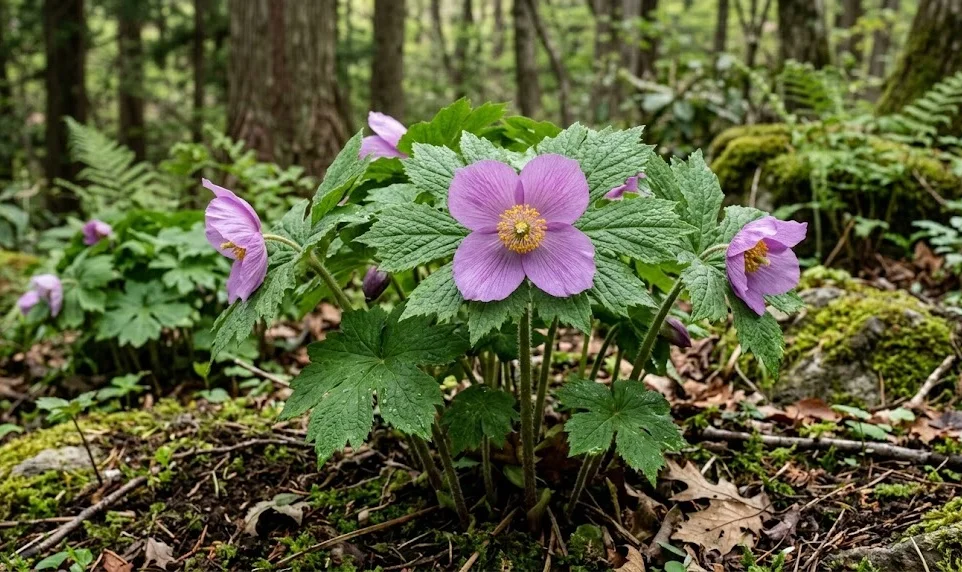

Maintaining the health of the Japanese wood poppy requires a vigilant eye and a proactive approach to preventing common garden ailments. While this species is relatively robust when grown in its ideal environment, it can fall victim to various pathogens and herbivores if stressed. The most effective defense is a healthy plant, as vigorous specimens are naturally better equipped to resist infection and recover from minor damage. Professional horticulturalists emphasize integrated pest management, which combines cultural practices, biological controls, and careful monitoring to keep the garden in balance.
Fungal diseases are perhaps the most significant threat to woodland perennials, thriving in the same cool, moist conditions that the plants themselves prefer. Botrytis and various forms of root rot can quickly devastate a collection if the air circulation is poor or the soil becomes waterlogged. Recognizing the early signs of infection, such as spotting on the leaves or a softening of the stems, is crucial for timely intervention. A well-ventilated garden with properly spaced plants is the best preventative measure against these invisible enemies.
Insects and other invertebrates can also cause significant aesthetic and physiological damage to the large, delicate leaves of the poppy. Slugs and snails are particularly notorious for their ability to shred foliage overnight, especially during wet spring weather. Understanding the lifecycle and habits of these pests allows the gardener to use targeted deterrents that do not harm the broader environment. Regular inspections, especially during the twilight hours, can reveal the presence of unwanted visitors before their numbers become unmanageable.
Viral infections, though less common, are a serious concern because they are often incurable and can spread to other plants in the garden. Symptoms like strange mottling, distorted growth, or unusual leaf patterns should be investigated immediately to prevent a wider outbreak. Maintaining clean tools and controlling insect vectors like aphids are the primary ways to limit the risk of viral transmission. In the world of high-value gardening, prevention is always more effective and less costly than attempting to cure a systemic disease.
Identifying and managing fungal pathogens
Powdery mildew is a common fungal issue that appears as a white, flour-like coating on the surface of the leaves during the summer months. While it is rarely fatal, it can significantly weaken the plant by reducing its ability to photosynthesize effectively. Increasing the distance between plants and ensuring they receive enough light can help reduce the humidity at the leaf surface. If the infection becomes severe, organic fungicides such as neem oil or potassium bicarbonate can be used to control its spread.
More articles on this topic
Root and crown rot are much more serious fungal problems that usually stem from poor drainage or overwatering. These pathogens attack the fleshy rhizomes, causing them to turn black and mushy, which lead to the eventual collapse of the entire plant. If rot is suspected, it is often necessary to lift the plant and cut away any infected tissue with a sterilized knife. Improving the soil’s drainage and reducing irrigation levels are the only ways to prevent the recurrence of these devastating diseases.
Leaf spot diseases can be caused by various fungi and manifest as dark, necrotic circles on the foliage that may eventually merge. These spots are often a sign that the leaves are remaining wet for too long or that the plant is under nutritional stress. Removing and destroying any infected leaves as soon as they appear can help stop the spores from spreading to healthy tissue. Avoiding overhead watering and ensuring good air movement are the primary cultural controls for managing leaf spots.
Gray mold, or Botrytis, is a opportunistic fungus that often attacks spent flowers or damaged leaves during periods of high humidity. It appears as a fuzzy, gray growth that can quickly spread to healthy parts of the plant if left unchecked. Deadheading old blooms and removing decaying organic matter from around the base of the poppy are essential hygiene practices. Keeping the garden tidy and dry is the most effective way to minimize the impact of this pervasive fungal pathogen.
Controlling slugs and other invertebrates
Slugs and snails find the succulent, pleated leaves of the Japanese wood poppy particularly appetizing, especially when they are young and tender. These pests can cause extensive damage in a single night, leaving behind unsightly holes and silvery slime trails. Using physical barriers like copper tape or crushed eggshells can provide some protection around individual plants. However, in a large garden, a more comprehensive strategy involving beer traps or organic iron phosphate pellets is often necessary.
More articles on this topic
Aphids are small, sap-sucking insects that can congregate on the underside of leaves and on new growth points. Their feeding can cause the leaves to curl and become distorted, and they also secrete a sticky substance called honeydew that attracts ants and soot mold. A strong blast of water from a garden hose is often enough to dislodge these pests without the need for chemicals. Encouraging natural predators like ladybugs and lacewings in the garden provides a sustainable, long-term solution to aphid management.
Vine weevil larvae are a subterranean threat that can be particularly damaging to the rhizomes of the wood poppy. The adult beetles notch the edges of the leaves, but it is the creamy-white larvae that do the real damage by eating the roots. Monitoring for the characteristic “U-shaped” notches on the foliage can alert a gardener to their presence before the larvae become a major problem. Biological controls, such as beneficial nematodes, can be applied to the soil to hunt down and kill the larvae naturally.
Spider mites may become an issue during hot, dry spells, causing the leaves to look dusty and eventually turn yellow or bronze. These tiny arachnids thrive in low-humidity environments and can be difficult to see with the naked eye. Increasing the local humidity and ensuring the plant is not suffering from water stress will make it less attractive to these pests. If an outbreak occurs, regular misting of the foliage or the use of predatory mites can help bring the population back under control.
Preventative cultural practices
The most powerful tool in a gardener’s arsenal against disease is the maintenance of optimal growing conditions. A plant that is correctly sited, properly watered, and adequately fed will have a robust immune system. This “health-first” approach reduces the need for external interventions and creates a more stable garden ecosystem. Regularly walking through the garden and observing the plants allows for the early detection of any issues before they escalate.
Sanitation is another critical aspect of disease prevention that is often overlooked by amateur gardeners. Always cleaning pruning shears and other tools with alcohol or a mild bleach solution prevents the accidental spread of pathogens between plants. Removing fallen leaves and spent flowers at the end of the season reduces the number of overwintering sites for pests and fungi. A clean garden is a healthy garden, and small habits in hygiene can have a big impact over time.
Strategic planting and spacing ensure that every individual has enough room to grow and receive adequate air circulation. Overcrowding creates stagnant pockets of air where humidity builds up, providing the perfect breeding ground for fungal spores. By following the recommended spacing for Japanese wood poppies, a gardener creates a landscape that is both beautiful and functional. Airflow is a natural fungicide that costs nothing but provides immense benefits to woodland species.
Soil health is the final pillar of prevention, as a diverse soil microbiome can help suppress harmful pathogens. Incorporating organic matter and avoiding heavy chemicals supports the beneficial fungi and bacteria that protect the plant’s roots. These microbes often compete with or even prey upon the organisms that cause root rot and other soil-borne diseases. Investing in the soil is an investment in the long-term health and resilience of the entire woodland garden.
Diagnostic and treatment protocols
When a problem is detected, the first step is always to accurately identify the cause before applying any treatment. Misidentifying a nutrient deficiency as a fungal disease, for example, can lead to ineffective treatments that may even worsen the situation. Using a magnifying glass to inspect leaves or consulting with a local agricultural extension office can provide the necessary clarity. Once the cause is known, the gardener can choose the most targeted and least disruptive treatment available.
For localized infections, physical removal of the affected parts is often the quickest and most effective response. Cutting out a diseased stem or removing a few pest-ridden leaves can stop a problem in its tracks without the use of any sprays. It is important to dispose of this material in the trash rather than the compost pile to ensure the pathogen is completely removed from the garden. This surgical approach is a hallmark of professional maintenance in high-quality perennial collections.
When a treatment like an organic spray is necessary, it should be applied during the coolest part of the day to avoid leaf burn. Always follow the manufacturer’s instructions exactly and test the product on a small area of the plant first to check for sensitivity. Many woodland plants have delicate leaf cuticles that can be damaged by oils or soaps if applied incorrectly. Careful application ensures that the treatment reaches the pest or pathogen while minimizing the impact on the plant itself.
Recovery after a disease or pest attack involves providing the plant with extra support to help it rebuild its strength. This might include a light liquid feeding or ensuring it has a perfectly consistent water supply for the rest of the season. Avoid the temptation to over-fertilize during recovery, as the plant needs to heal its tissues rather than produce rapid new growth. With the right support, most Japanese wood poppies can make a full recovery and return to their former glory in the following season.
Maintaining a balanced ecosystem
The ultimate goal of pest and disease management is not to create a sterile environment, but to foster a balanced ecosystem. A healthy garden will always have a few pests, but it will also have the predators and environmental conditions to keep them in check. By minimizing the use of broad-spectrum pesticides, a gardener allows the natural checks and balances of the forest floor to operate. This ecological approach is more sustainable and results in a more resilient garden over the long term.
Providing habitats for beneficial insects, such as small piles of stones or diverse plantings, encourages them to take up residence in the garden. These “garden allies” work around the clock to control aphids, mites, and other common pests. Many experienced growers find that once an ecosystem is established, they rarely need to use any external pest control methods. This harmony between the plant and its environment is the pinnacle of successful woodland gardening.
Education and observation are ongoing processes that help a gardener stay one step ahead of potential threats. Keeping a garden journal to record when certain pests appear or when diseases flare up can reveal patterns that allow for better planning. Understanding the specific vulnerabilities of the Japanese wood poppy makes it easier to provide the targeted care it needs. A knowledgeable gardener is the plant’s best defense against the challenges of the natural world.
In conclusion, while the Japanese wood poppy does face some risks from diseases and pests, these are easily managed with a proactive and professional approach. By focusing on prevention, sanitation, and ecological balance, a gardener can ensure these stunning plants thrive for decades. The effort invested in monitoring and care is rewarded with the sight of healthy, vibrant blooms each spring. Protecting these woodland treasures is a rewarding part of the horticultural journey.