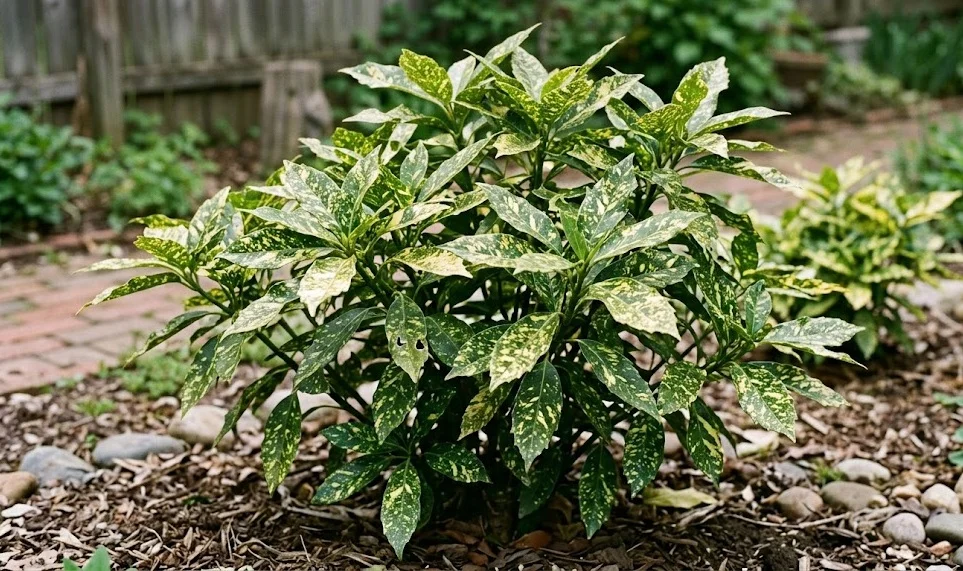

Preparing the Japanese laurel for the winter months is a critical task for gardeners in temperate climates. While this evergreen shrub is notably hardy, the combination of freezing temperatures and drying winds can challenge its resilience. A successful overwintering strategy involves both physical protection and careful management of moisture levels. By taking these proactive steps, you can ensure that the variegated foliage remains vibrant and undamaged until the return of spring.
The primary threat during winter is not always the cold itself, but the lack of available moisture in the soil. When the ground freezes, the roots are unable to absorb water to replace what is lost through the leaves. This phenomenon, known as winter desiccation or winter burn, can lead to brown and brittle leaf edges. Ensuring the plant is thoroughly hydrated before the first deep freeze is the most important preparatory step.
Mulching is an indispensable tool for protecting the root system from extreme temperature fluctuations. A thick layer of wood chips, straw, or pine needles acts as an insulating blanket for the soil. This layer helps to keep the ground from freezing as deeply, allowing the roots to continue functioning for longer. It also prevents the damaging cycle of freeze and thaw that can heave young plants out of the ground.
In regions with particularly harsh winters, physical barriers can provide an extra layer of security. Burlap screens or temporary windbreaks are excellent for shielding the laurel from the desiccating effects of cold winter winds. These structures should be placed on the windward side of the plant but should not touch the foliage directly. Providing this protection is especially important for young shrubs that have not yet established a deep and robust root system.
Strategies for container grown specimens
Japanese laurels grown in pots are more vulnerable to winter cold than those planted directly in the garden. Because the roots are above ground, they are exposed to much colder temperatures and can freeze more quickly. One effective strategy is to move the containers to a sheltered spot, such as against a south-facing wall or into an unheated garage. This minor change in location can provide just enough extra warmth to prevent serious damage to the roots.
More articles on this topic
Insulating the container itself is another professional technique for overwintering potted evergreens. You can wrap the pot in bubble wrap, burlap, or even old blankets to provide a thermal buffer. Some gardeners choose to “heel in” their pots by burying the entire container in a pile of mulch or directly in a garden bed. This method uses the earth’s natural warmth to protect the roots throughout the coldest months of the year.
Moisture management remains crucial for indoor or sheltered specimens during the winter dormancy period. Even though the plant is not actively growing, it still requires a small amount of water to keep its tissues hydrated. Check the soil every few weeks and provide a light watering if the top few inches feel completely dry. Be careful not to overwater, as the lack of active growth and lower evaporation rates can easily lead to root rot.
Transitioning the plant back to the outdoors in the spring must be done with caution to avoid environmental shock. Start by placing the container in a protected area during the day and moving it back inside at night. Gradually increase its exposure to the wind and sun over a period of two to three weeks. This process of acclimation ensures that the new spring growth is not damaged by a sudden change in conditions.
Dealing with snow and ice accumulation
Heavy snow accumulation can pose a physical threat to the structural integrity of the Japanese laurel. The broad leaves can catch a significant amount of snow, which adds weight and can cause branches to bend or break. It is important to gently brush off heavy snow using an upward motion with a broom or your hands. Avoid shaking the branches violently, especially when they are frozen and brittle, as this can cause more harm than good.
More articles on this topic
Ice storms are particularly dangerous because the ice can coat the branches and create immense mechanical stress. If your laurel becomes encased in ice, the best course of action is usually to wait for it to melt naturally. Attempting to break the ice off manually almost always results in damaged bark and broken stems. Once the ice has melted, you can assess any damage and perform corrective pruning to remove broken parts.
Salt used for de-icing roads and sidewalks can be highly toxic to the Japanese laurel and many other evergreens. If your plant is located near a treated area, the salt spray can damage the foliage or accumulate in the soil. Creating a physical barrier or using alternative de-icing products can help mitigate this risk during the winter. If you suspect salt contamination in the soil, a thorough leaching with fresh water in the spring can help flush it out.
Winter damage may not always be immediately apparent and can take weeks to show up on the leaves. Be patient as the weather warms up and the plant begins its transition into the new growing season. Many evergreens will naturally shed a few of their older leaves in the spring as part of their renewal process. If you notice significant browning, wait until the risk of frost has passed before pruning back to healthy wood.
Preparing for the spring transition
As the days begin to lengthen, the Japanese laurel will slowly emerge from its winter dormancy. This is a time of vulnerability, as late-season frosts can damage the tender new buds that are beginning to swell. Keeping your winter protection in place until the threat of a hard freeze has passed is a wise precaution. Monitoring the local weather forecast allows you to react quickly if an unseasonably cold night is predicted.
Once the soil has thawed, you can begin to gradually remove the extra layers of mulch you applied in the autumn. Leaving a standard three-inch layer is still important for moisture retention and weed suppression during the coming months. Inspect the base of the plant for any signs of rodent damage, as mice and voles sometimes nest in thick mulch and chew on bark. If you find damage, treat it promptly to prevent pathogens from entering the plant’s vascular system.
Spring is also the perfect time to perform a light cleaning of the foliage to remove any winter dust or salt residue. A gentle spray with a garden hose on a mild day will refresh the leaves and improve their ability to photosynthesize. This simple act also allows you to get a close look at the plant and check for any pests that may have overwintered in the crevices. Starting the season with a clean and healthy plant sets the stage for a spectacular year of growth.
Finally, take a moment to reflect on your overwintering success and make notes for the following year. Every winter is different, and your specific garden conditions will present unique challenges over time. Understanding how your laurel responded to the cold will help you refine your care routine in the future. Your dedication to protecting this beautiful shrub during its most vulnerable season is the key to its long-term success.