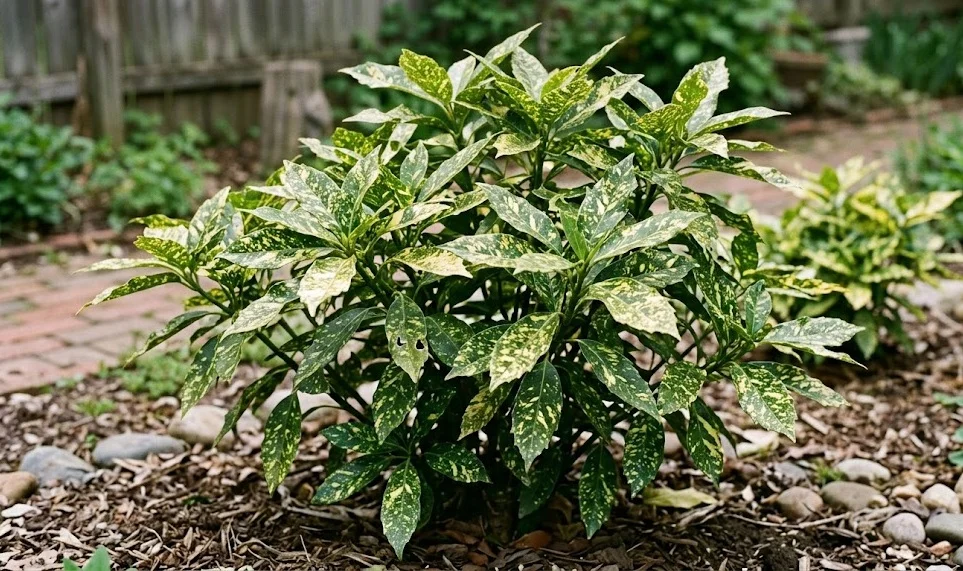

Managing the hydration and nutritional needs of the Japanese laurel is essential for maintaining its iconic variegated appearance. This evergreen shrub possesses a moderate growth rate and requires a consistent supply of resources to sustain its thick, leathery leaves. One must balance the delivery of water and nutrients to avoid the common pitfalls of over-saturation or chemical burn. A well-nourished plant is far more capable of resisting environmental stressors and biological threats.
The watering strategy for an established Japanese laurel should focus on the depth of moisture rather than the frequency of application. During the active growing season, the soil should be kept consistently moist but never waterlogged or soggy. Deep watering encourages the roots to grow further down into the earth, which provides better stability during dry spells. In contrast, shallow and frequent watering leads to a weak, surface-level root system that is easily damaged by heat.
Weather conditions significantly dictate the volume of water required by the plant at any given time. During hot summer weeks with little rainfall, the laurel may need a thorough soaking once or twice a week. In the cooler months of spring and autumn, natural precipitation is often sufficient to meet the plant’s needs. One should always check the soil moisture by hand before adding more water to avoid unnecessary saturation.
Morning is the optimal time for watering, as it allows any moisture on the leaves to dry before nightfall. This practice is a key component in preventing the development of foliar diseases and fungal infections. If water is applied in the evening, the damp conditions can persist overnight, creating a perfect environment for pathogens. Using a soaker hose or drip irrigation system is the most efficient way to deliver water directly to the base of the shrub.
Principles of effective fertilization
Fertilization should be approached as a supplement to healthy soil management rather than a primary solution for growth. The goal is to provide a steady supply of balanced nutrients that support both root health and foliage production. A slow-release granular fertilizer is often the most effective choice for this type of evergreen shrub. This type of product breaks down gradually, providing a consistent stream of nutrition over several months.
More articles on this topic
The timing of fertilizer application is critical for maximizing its benefits and preventing tissue damage. The first application should occur in early spring as the plant begins its transition out of winter dormancy. This provides the necessary energy for the surge of new growth that defines the spring season. A second, lighter application can be made in early summer to sustain the plant through the heat of the year.
One should avoid fertilizing late in the autumn, as this can stimulate new, tender growth that will be damaged by frost. The plant needs to naturally slow its metabolism as the days shorten and the temperatures begin to drop. Pushing growth with nitrogen late in the year weakens the overall structure and increases the risk of winter kill. Understanding this natural cycle is fundamental to professional agricultural and gardening practices.
Application methods matter just as much as the type of fertilizer selected for the task. Granules should be spread evenly over the entire root zone, which usually extends slightly beyond the drip line of the branches. It is important to water the area thoroughly after applying fertilizer to help the nutrients move into the soil. Never allow fertilizer to come into direct contact with the stem or the leaves, as the concentrated salts can cause severe chemical burns.
Recognizing and correcting moisture stress
Moisture stress can manifest in several ways, often appearing first in the most tender and new growth. If the plant is receiving too little water, the leaves may lose their turgidity and begin to droop or wilt slightly. Prolonged drought can lead to crispy, brown edges on the leaves and premature leaf drop as the plant enters survival mode. Early intervention with deep irrigation can often reverse these signs before permanent damage occurs.
More articles on this topic
Overwatering is equally dangerous and sometimes harder to diagnose until the situation becomes critical. The primary sign of excess moisture is a general yellowing of the foliage and a lack of new growth. If the roots are constantly submerged, they begin to die back, which ironically prevents the plant from absorbing any water at all. If you suspect overwatering, immediately stop all irrigation and check the drainage of the planting site.
The relationship between soil type and watering frequency is a vital consideration for every gardener. Sandy soils drain very quickly and may require more frequent attention during the height of the summer. Clay soils, however, hold onto moisture for much longer and can easily become anaerobic if over-managed. Adjusting your watering schedule to match your specific soil texture is the mark of a skilled horticultural professional.
Seasonal shifts in moisture demand are a natural part of the Japanese laurel’s life cycle. During the winter, evergreen plants continue to lose water through their leaves, a process known as transpiration. If the ground is frozen, the plant cannot replenish this lost moisture, which can lead to “winter burn.” Watering thoroughly before the first deep freeze helps ensure the plant has a reservoir of hydration to draw from.
Advanced nutritional considerations
For those seeking the most vibrant variegation, the balance of micronutrients in the soil is of great importance. Elements such as magnesium and iron are essential for the production of chlorophyll in the green parts of the leaves. If the soil is deficient in these minerals, the plant may appear washed out or sickly. Specialized fertilizers designed for acid-loving plants often contain these micronutrients in the correct proportions.
Organic options for fertilization are increasingly popular and can be very effective for long-term soil health. Well-rotted manure, seaweed extracts, and fish emulsion are all excellent sources of complex nutrients. These materials not only feed the plant but also improve the soil structure and support beneficial microbial life. Using organic amendments fosters a more self-sustaining ecosystem within the garden beds over several years.
Mulching acts as a slow-release fertilization system as the organic material breaks down over time. As bark or compost decomposes, it releases nitrogen and carbon back into the soil in a form the plant can easily use. This natural process mimics the floor of a forest where the laurel would naturally thrive. Maintaining a fresh layer of mulch is perhaps the simplest way to ensure a steady supply of basic nutrition.
Regular soil testing is the only way to truly know what is happening beneath the surface of the ground. Every three to five years, gardeners should send a sample to a lab to check for pH and nutrient levels. This data removes the guesswork from fertilization and allows for precise adjustments that save money and prevent pollution. A scientific approach to soil management results in the healthiest and most beautiful Japanese laurel specimens.
Professional maintenance routines
Developing a consistent maintenance calendar helps ensure that no part of the care routine is forgotten. Marking the dates for spring fertilization and the start of summer watering cycles keeps the gardener proactive. This organization is especially helpful for those managing large estates or multiple garden areas. Consistency is the secret ingredient that transforms a struggling plant into a prize-winning garden feature.
Watering equipment should be inspected regularly to ensure it is delivering the correct amount of moisture. Clogged drip emitters or leaking hoses can lead to uneven growth patterns or wasted resources. Taking the time to calibrate your irrigation system in the spring saves effort and prevents plant stress later. Modern smart controllers can even adjust watering based on local weather forecasts to optimize efficiency.
Observing the plant’s response to your care is the ultimate feedback loop for any horticultural project. If the leaves are dark green with bright yellow spots and the growth is steady, your routine is likely perfect. If you notice any deviations from health, don’t be afraid to adjust your watering or feeding amounts. Every garden has its own unique characteristics, and the plant will tell you if it needs a change.
Finally, remember that the Japanese laurel is a resilient survivor that can handle minor mistakes in care. While we strive for perfection, the plant has evolved to handle variations in its natural environment. By following these professional guidelines, you provide the best possible foundation for the shrub to flourish. Your dedication to its hydration and nutrition will be rewarded with a stunning evergreen display throughout the year.