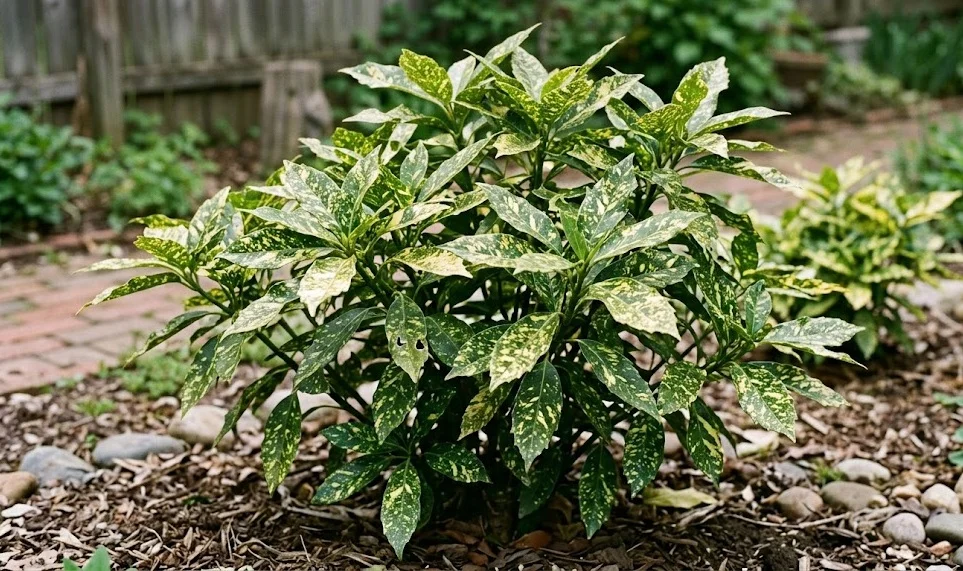

The Japanese laurel is widely regarded as a robust plant, but it is not entirely immune to biological challenges. Understanding the potential threats from pathogens and insects is a vital part of maintaining a pristine garden landscape. Early detection and an informed response can prevent a minor issue from becoming a major infestation. By focusing on both prevention and treatment, one can ensure the long-term vitality of this beautiful variegated shrub.
Fungal leaf spot is one of the most common diseases that can affect the aesthetic value of the foliage. This condition typically appears as small, dark brown or black spots that may gradually enlarge over time. It is often caused by excessive moisture on the leaves, especially during periods of high humidity and poor air circulation. While rarely fatal, a severe infection can cause significant leaf drop and weaken the overall vigor of the plant.
To manage leaf spot, it is essential to remove and destroy any infected foliage as soon as it is noticed. This prevents the fungal spores from spreading to the healthy parts of the plant or neighboring shrubs. Improving air circulation by thinning out nearby vegetation or lightly pruning the laurel can also be very effective. Avoiding overhead watering is a simple but powerful preventative measure that keeps the leaves dry and less susceptible to infection.
Root rot is a much more serious disease that can lead to the rapid decline and eventual death of the shrub. It is almost always associated with poor drainage or excessive watering that creates anaerobic conditions in the soil. The symptoms include a general wilting of the plant, yellowing leaves, and a soft, dark appearance at the base of the stem. By the time visible symptoms appear on the foliage, the root system is often already severely compromised.
Managing common insect pests
Scale insects are among the most persistent pests that target the stems and undersides of the leaves. These small, armored insects attach themselves to the plant and suck the sap, which can cause yellowing and stunted growth. Because of their protective outer shells, they can be difficult to eliminate with standard contact insecticides. A heavy infestation often leads to the appearance of sooty mold, a black fungus that grows on the sticky honeydew secreted by the insects.
More articles on this topic
Mealybugs are another sap-sucking pest that can occasionally be found hiding in the leaf axils or on the stems. They are easily identified by their white, cottony appearance and their tendency to cluster together in protected areas. Like scale insects, they weaken the plant by draining its energy and can lead to distorted new growth. Using a cotton swab dipped in rubbing alcohol can be an effective way to remove small numbers of mealybugs by hand.
Spider mites may become an issue during hot, dry weather, especially for plants that are already stressed by lack of water. These tiny arachnids are often too small to see with the naked eye, but their presence is revealed by fine webbing on the leaves. The feeding damage appears as a characteristic stippling or bronzing of the foliage, which can quickly ruin the plant’s appearance. Increasing the local humidity and ensuring the plant is well-hydrated are the best ways to deter these pests.
Aphids are common garden visitors that may occasionally target the tender new growth of the Japanese laurel. These small, soft-bodied insects reproduce rapidly and can cause the leaves to curl or become misshapen. Fortunately, they are relatively easy to manage with a strong blast of water from a garden hose or an application of insecticidal soap. Encouraging natural predators like ladybugs and lacewings in the garden provides a sustainable and long-term solution for aphid control.
Environmental and abiotic stressors
Not all signs of ill health are caused by living organisms; many issues arise from environmental factors. Leaf scorch is a common problem that occurs when the plant is exposed to more sunlight than it can handle. The edges of the variegated leaves may turn brown and crispy, giving the plant a ragged and unhealthy appearance. This is a clear signal that the plant needs more shade or a more consistent supply of moisture during the day.
More articles on this topic
Nutritional imbalances can also cause symptoms that mimic diseases or pest damage. For example, a lack of iron or magnesium can lead to chlorosis, where the leaves turn yellow while the veins remain green. This is often an indicator of improper soil pH rather than a total absence of nutrients in the earth. Testing the soil allows the gardener to address the root cause of the problem through targeted amendments.
Chemical injury from herbicides or over-fertilization can result in distorted growth or sudden leaf death. It is important to be cautious when applying any chemicals near the Japanese laurel, as the broad leaves are sensitive to drift. Always follow the manufacturer’s instructions exactly when using fertilizers to avoid salt buildup in the soil. A “less is more” approach often yields better results when dealing with the delicate chemistry of plant nutrition.
Physical damage from wind or heavy snow can create entry points for pathogens and pests to enter the plant. High winds can tear the large leaves or even snap branches, especially if the wood is old and brittle. Pruning away damaged sections promptly with clean tools helps the plant heal and prevents secondary infections. Providing structural support or windbreaks during extreme weather events is a proactive way to protect the plant’s integrity.
Integrated pest management strategies
Integrated Pest Management (IPM) is a professional approach that combines biological, cultural, and chemical tools to manage health issues. The first step in this process is always accurate identification of the problem through close observation. Understanding the life cycle of a pest or the environmental requirements of a disease allows for more effective intervention. This method prioritizes the least toxic options first to minimize the impact on the surrounding ecosystem.
Biological control involves using natural enemies to keep pest populations at a manageable level. Many beneficial insects, such as hoverflies and parasitic wasps, will naturally inhabit a healthy and diverse garden. By avoiding broad-spectrum pesticides, you can protect these allies and allow them to do the work for you. This creates a balanced environment where pests are present but do not cause significant damage to the plants.
Cultural controls focus on creating the best possible growing conditions to make the plant inherently more resistant. A healthy Japanese laurel that is correctly watered, fed, and placed is far less likely to suffer from severe infestations. Maintaining good hygiene by removing fallen leaves and debris reduces the overwintering sites for many common pests and diseases. These simple garden chores are the foundation of a professional plant health care program.
When chemical intervention becomes necessary, it should be done with precision and care. Choose products that target the specific pest or disease you are facing to avoid harming non-target organisms. Systemic insecticides can be useful for persistent pests like scale, but they must be used according to the label. Always wear protective gear and apply treatments during calm weather to ensure the safety of yourself and the environment.
Long term monitoring and resilience
Consistent monitoring is the most effective tool for maintaining the health of any landscape specimen. Taking a few minutes each week to inspect the foliage and stems can catch problems in their earliest stages. Early detection often means that simple mechanical or cultural fixes are all that is required. This proactive mindset saves time, money, and stress for the gardener while keeping the plant beautiful.
Keeping a garden journal can help you track the appearance of pests and diseases over several years. You may notice that certain issues only appear during specific weather patterns or at certain times of the year. This historical data allows you to anticipate problems and take preventative action before they occur. Professional horticulturists use these records to refine their management strategies for each individual site.
Resilience is built into the Japanese laurel through its thick, waxy cuticle and robust growth habit. Even if the plant suffers a setback, it is often capable of recovering fully with the right support. Don’t be discouraged by a few pests or a spot of fungus; see them as part of the natural garden ecosystem. With your guidance and care, the shrub will continue to be a resilient and stunning part of your landscape.
Education is a continuous process for every serious gardener and agricultural professional. New pests and diseases can emerge, and our understanding of plant health is always evolving. Staying informed about local garden news and scientific research keeps you one step ahead of potential threats. Your commitment to learning and observation is the best defense your Japanese laurel could ever have.